

 English
 Español
 عربى
عربى русский
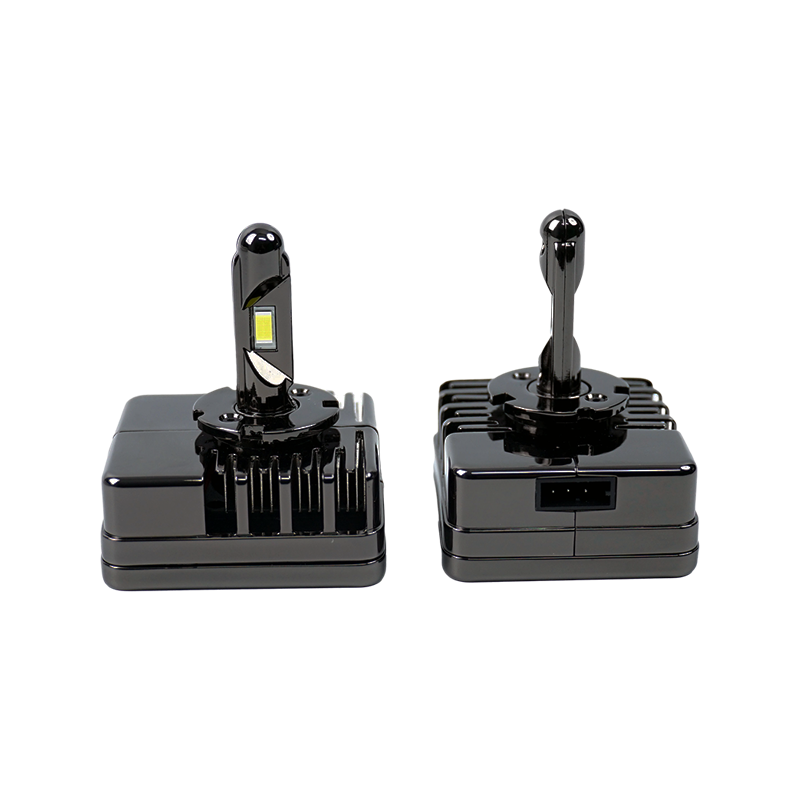
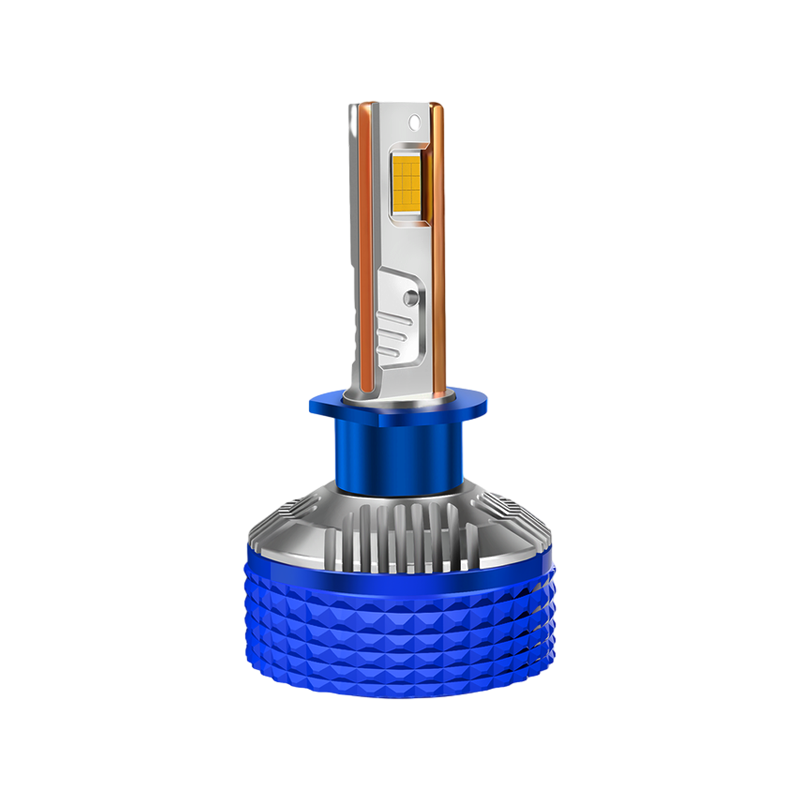
The high lumens led headlight bulb has rapidly gained popularity in the automotive industry due to its superior brightness, energy efficiency, and long lifespan. Understanding its main components provides insight into why it delivers high performance compared to traditional halogen or standard LED bulbs.
Overview of high lumens led headlight bulb
A high lumens led headlight bulb is designed to provide enhanced illumination for vehicles, improving visibility and safety during night driving and adverse weather conditions. Unlike traditional bulbs, these bulbs use light-emitting diode (LED) technology to produce high-intensity light with minimal energy consumption. The primary advantage of high lumens led headlight bulb lies in its combination of efficiency, durability, and brightness.
In order to function effectively, the bulb is composed of several essential components that work together to ensure optimal light output, heat management, and reliability. Understanding these components is crucial for both consumers and industry professionals.
LED chips: The heart of the bulb
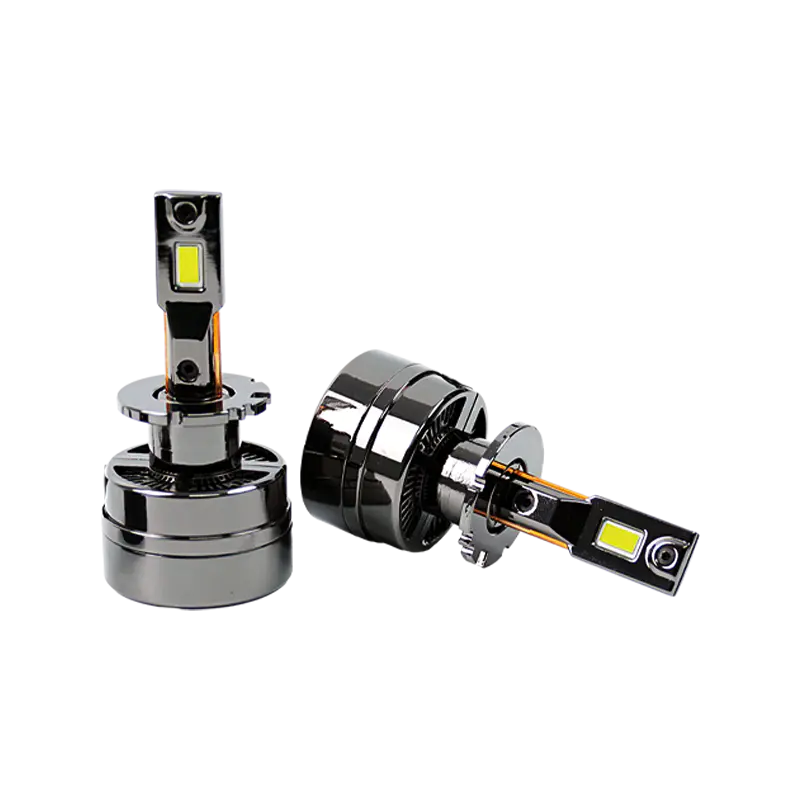
At the core of a high lumens led headlight bulb are the LED chips, which serve as the light source. LED chips are semiconductor devices that convert electrical energy into visible light.
Key features of LED chips in high lumens bulbs include:
- High brightness output: These chips are engineered to produce more lumens per watt, allowing a high lumens led headlight bulb to illuminate the road more effectively than halogen bulbs.
- Durability: LED chips are solid-state components, making them resistant to vibrations and shocks commonly encountered in automotive environments.
- Efficiency: By converting most of the electrical energy into light rather than heat, LED chips reduce energy consumption and extend the bulb’s lifespan.
The arrangement and quality of LED chips significantly impact the beam pattern, color temperature, and overall brightness of the bulb. High-quality chips are critical for achieving uniform illumination and avoiding dark spots or uneven lighting.
Heat dissipation system: Ensuring longevity
Heat management is a critical aspect of any high lumens led headlight bulb. Excessive heat can damage LED chips, reducing efficiency and lifespan. To address this, manufacturers incorporate an advanced heat dissipation system.
Components of the heat dissipation system:
- Aluminum or copper housing: These metals provide excellent thermal conductivity, helping transfer heat away from the LED chips.
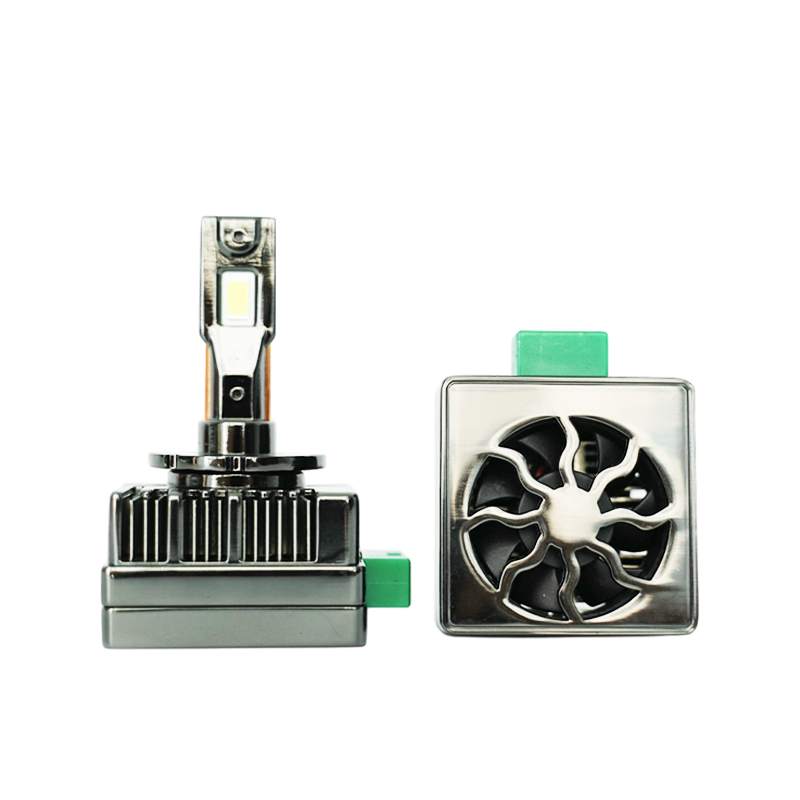
- Cooling fins: Structured fins increase the surface area of the bulb, allowing more efficient heat dispersion.
- Fans or passive cooling: Some bulbs include miniature fans to actively remove heat, while others rely on passive cooling through heat sinks.
Effective heat management ensures the high lumens led headlight bulb maintains consistent performance over time, preventing dimming or premature failure.
Driver: The control center
The driver in a high lumens led headlight bulb is an electronic circuit responsible for regulating voltage and current supplied to the LED chips. The driver ensures the bulb receives a steady electrical flow, which is essential for stable brightness and protection against electrical fluctuations.
Functions of the driver:
- Voltage regulation: Prevents sudden voltage spikes from damaging LED chips.
- Current control: Maintains consistent current to avoid overheating or overdriving the LEDs.
- Protection mechanisms: Includes safeguards against reverse polarity, short circuits, and temperature extremes.
A well-designed driver contributes significantly to the durability and efficiency of a high lumens led headlight bulb, allowing it to operate safely across a wide range of vehicles and conditions.
Optical lens and reflector system: Shaping the beam
To maximize the performance of a high lumens led headlight bulb, the emitted light must be directed efficiently. This is achieved through a combination of optical lenses and reflector systems.
Optical components include:
- Lens cover: Focuses and directs the light into a specific beam pattern.
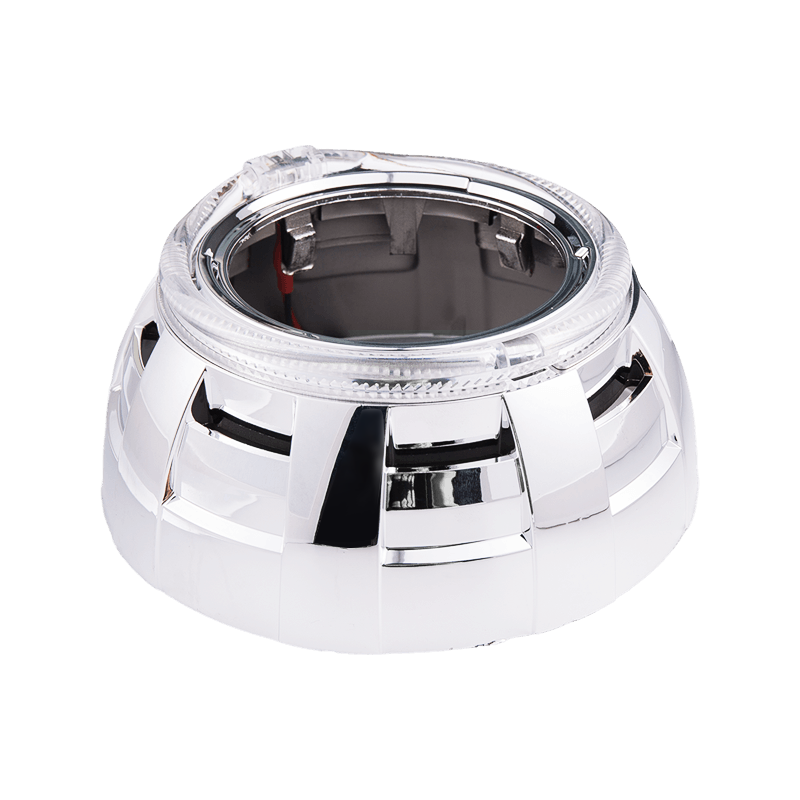
- Reflector cup: Mirrors within the housing reflect light to enhance projection distance and ensure uniform illumination.
The design of these optical components ensures compliance with automotive standards, reducing glare for oncoming traffic while optimizing road coverage. Properly engineered optics are essential for transforming the raw output of LED chips into practical, high-performance lighting.
Housing and casing: Protection and durability
The housing of a high lumens led headlight bulb serves multiple purposes: protecting internal components, facilitating heat dissipation, and providing a secure fit within the vehicle’s headlight assembly.
Key aspects of the housing include:
- Material strength: Typically made of aluminum or high-grade polymers for durability and corrosion resistance.
- Waterproofing: Ensures the bulb remains functional in rain, snow, or wet road conditions.
- Dustproofing: Prevents dust and debris from entering the housing, which could interfere with LED performance.
A robust housing ensures that the high lumens led headlight bulb can withstand the demands of various driving environments while maintaining consistent performance.
Wiring and connectors: Ensuring reliable installation
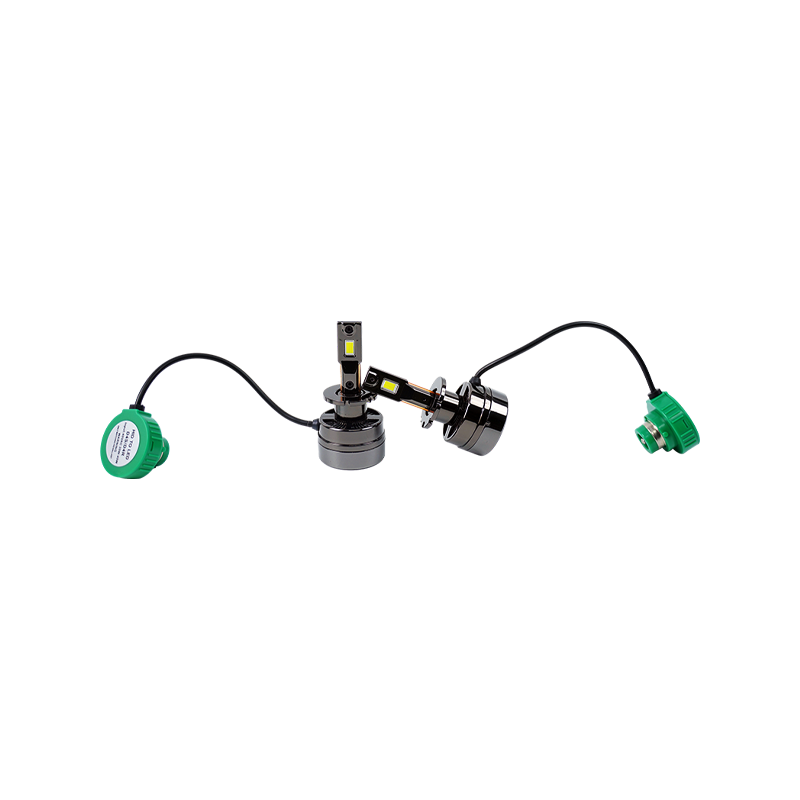
Proper electrical connections are essential for a high lumens led headlight bulb to function correctly. High-quality wiring and connectors prevent power loss, overheating, or intermittent operation.
Important features include:
- Canbus compatibility: Some bulbs are designed to work with vehicles equipped with electronic control systems, preventing error messages on the dashboard.
- Plug-and-play design: Simplifies installation without the need for additional modifications.
- Heat-resistant materials: Prevents insulation from melting or degrading due to the bulb’s operating temperature.
Reliable connectors and wiring contribute to the overall safety, efficiency, and ease of use of a high lumens led headlight bulb.
Table: Summary of main components
| Component | Function | Importance |
|---|---|---|
| LED chips | Emit light | High brightness, efficiency, durability |
| Heat dissipation system | Remove heat from LEDs | Prevents overheating, extends lifespan |
| Driver | Regulate electrical input | Ensures stable performance, protects LEDs |
| Optical lens & reflector | Shape light beam | Enhances visibility, reduces glare |
| Housing & casing | Protect components | Waterproofing, dustproofing, durability |
| Wiring & connectors | Electrical connection | Safe installation, reliability, compatibility |
Maintenance and care
To ensure a high lumens led headlight bulb performs optimally over its lifespan, minimal maintenance is required. Key practices include:
- Regular cleaning: Wipe the lens cover to remove dirt or road grime, ensuring consistent light output.
- Avoid touching LED chips: Oils from fingers can damage the delicate surface of the chips.
- Check for secure connections: Ensure wiring and connectors remain tight to prevent electrical issues.
Proper maintenance helps maximize the lifespan and efficiency of a high lumens led headlight bulb without requiring complex procedures.
Conclusion
Understanding the main components of a high lumens led headlight bulb is crucial for both buyers and automotive professionals. From the LED chips that produce bright, efficient light to the driver and heat dissipation system that ensure longevity, each component plays a vital role in the bulb’s performance.
High lumens led headlight bulbs are engineered to provide superior brightness, reliability, and durability, making them a practical choice for modern vehicles. Proper installation, care, and awareness of these components allow drivers to benefit fully from their advanced lighting technology.
By recognizing how each element contributes to functionality, consumers can make informed decisions when choosing a high lumens led headlight bulb for their vehicles, ensuring safety, efficiency, and optimal performance.