

 English
 Español
 عربى
عربى русский
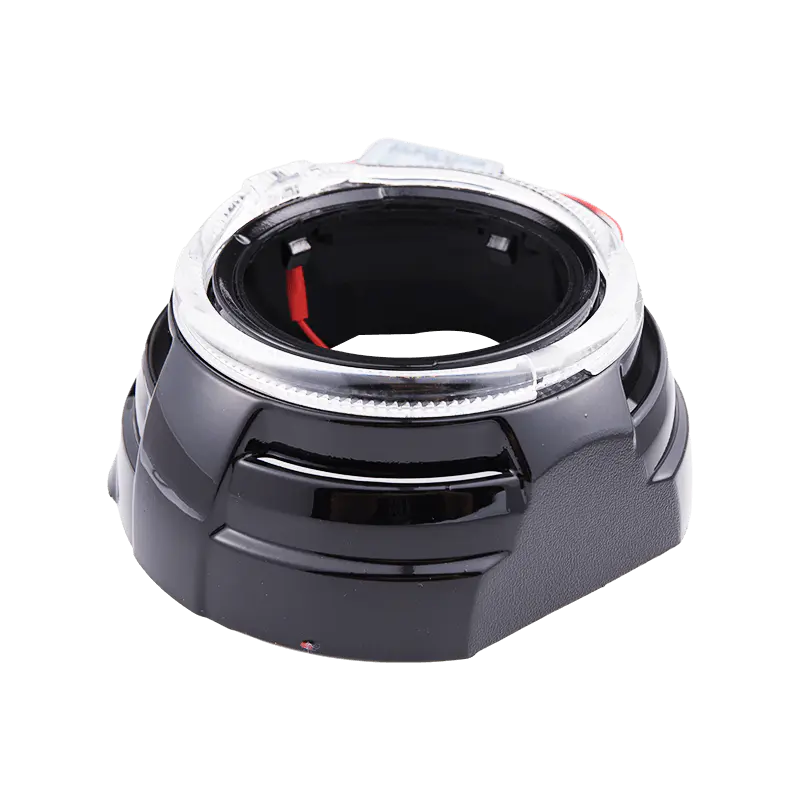
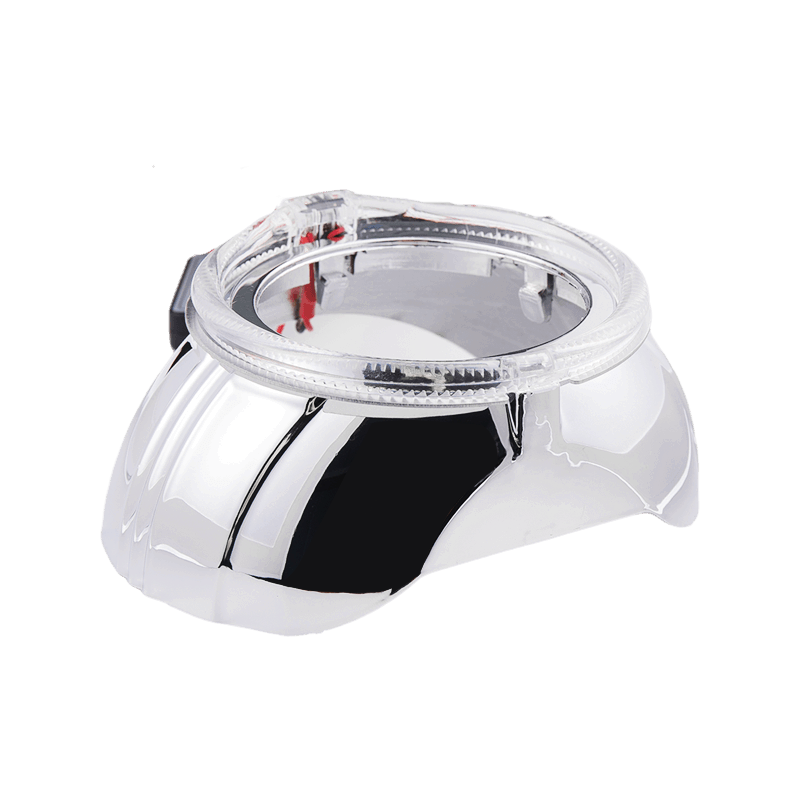
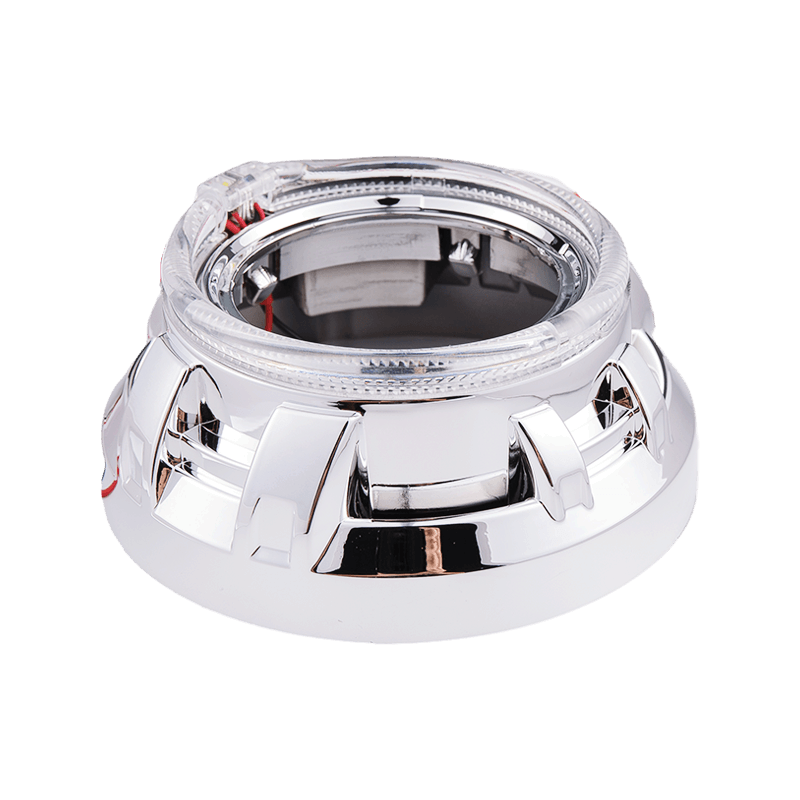
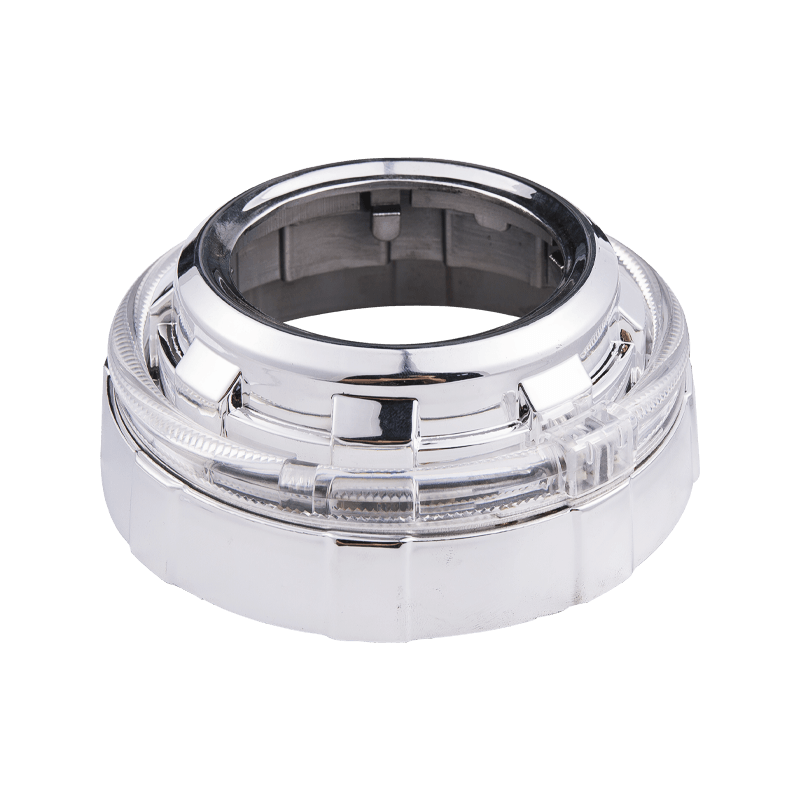
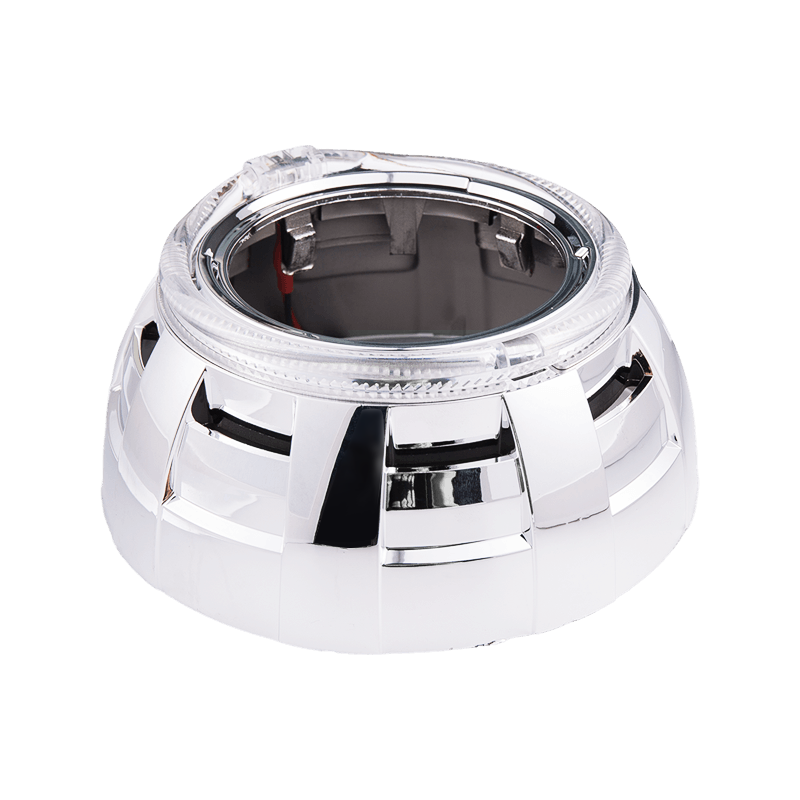
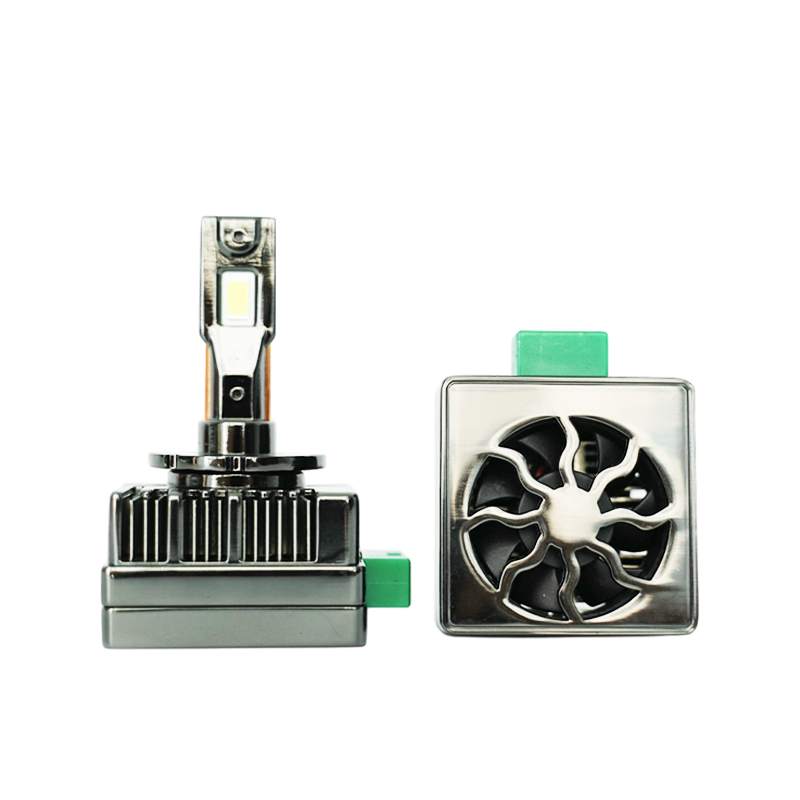
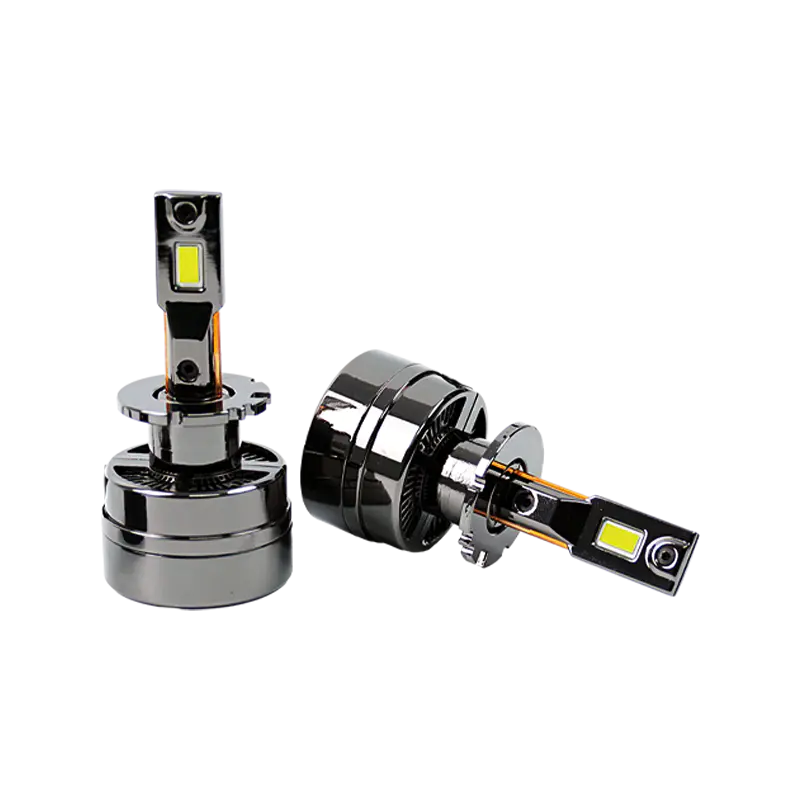
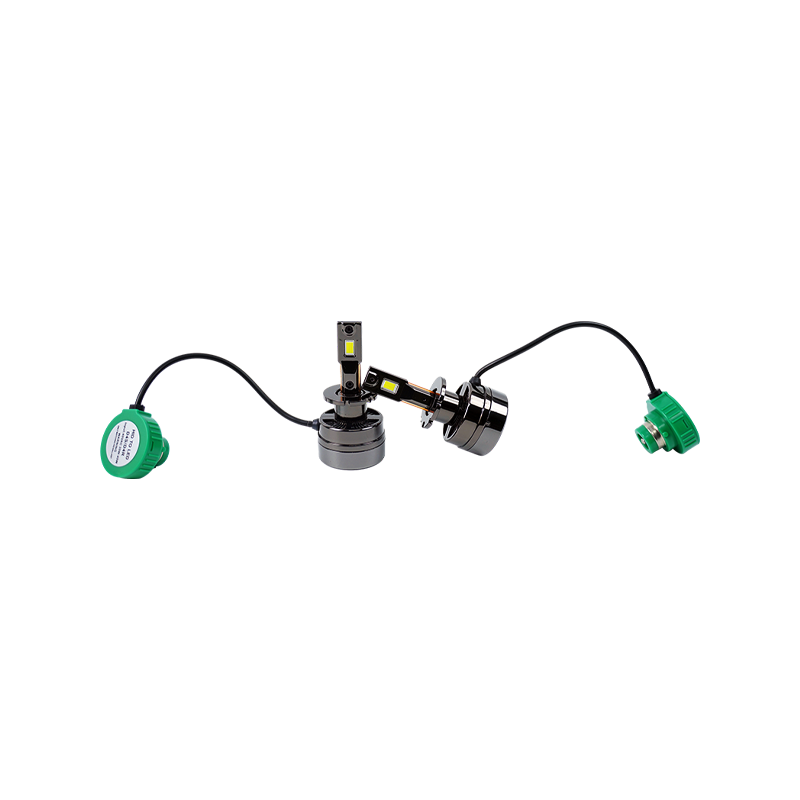
Selecting auxiliary lighting is not about picking the brightest chip; it is about beam geometry, thermal management, and environmental resilience. Whether you outfit a service truck or enhance a daily driver's fog light performance, the decision between a CAR LED WORK LIGHT and a dedicated LED Projector Lens For Fog Light hinges on measurable photometric data and application-specific durability. This article dissects lumen maintenance, colour temperature trade-offs, ingress protection ratings, and real-world mounting constraints, offering a structured framework for your next lighting investment.
1. Core Photometric Metrics: Work Lights versus Fog Projectors
Raw lumen output is misleading without considering beam angle and candela intensity. A CAR LED WORK LIGHT typically delivers a wide flood pattern (120-150 degrees) with 3,000-6,000 raw lumens, optimised for area illumination. In contrast, LED Projector Lens For Fog Light units focus light through a precision aspheric lens, producing a sharp cut-off and a concentrated 15-25 degree beam that penetrates fog without backscatter.
Beam Intensity Comparison (Candela per Watt)
Colour Temperature & Fog Penetration
2. Environmental Hardness: IP Ratings & Thermal Endurance
Off-road auxiliary lighting and heavy-duty work light applications demand ingress protection beyond IP65. While many led light light bar units claim IP67, the actual weak point is the breather membrane and connector seal. Real-world vibration tests show that led bars with potted drivers and stainless steel brackets survive 200 hours of salt-spray, whereas standard aluminium housings show pitting after 80 hours. For marker light applications, compliance with DOT/SAE J592 is critical for on-road use, but off-road setups can prioritise thermal siphoning designs that lower junction temperature by 12°C, extending L70 lifetime beyond 50,000 hours.
IP Rating vs. Application Suitability
Thermal Performance (ΔT vs Ambient)
3. Mounting & Integration: Physical Constraints
Physical footprint often dictates the choice between a CAR LED WORK LIGHT and a fog projector. A typical 22-inch led light light bar requires a robust roof or bumper mount, while LED Projector Lens For Fog Light units fit into existing OEM fog pockets with minimal modification. However, led bars offer modularity: you can combine spot and flood optics in a single housing. For marker light compliance, side-mounting with amber lenses is mandatory in many jurisdictions, adding another layer of decision.
Installation Complexity Index
4. Performance Radar: Holistic Comparison
5. Decision Flow: Work Light or Fog Projector?
6. Cost & Lifetime Value Analysis
While upfront cost favours work lights, the fog projector's precision optics and lower glare often translate to reduced fatigue during extended night driving, a factor rarely quantified but critical for safety.
7. Installation & Waterproofing Best Practices
Waterproof LED bar installation requires more than sealing the connector. Use dielectric grease on all terminals, and ensure the breather valve faces downward to prevent moisture ingress. For LED Projector Lens For Fog Light upgrades, verify the adapter ring compatibility and use a butyl rubber sealant around the housing edge. Driving light safety regulations vary: in many regions, auxiliary lights must not exceed 55W per lamp and must be aimed so that the hot spot falls below the horizontal centreline at 25 feet. Always reference SAE J583 for fog lamp aiming procedures.
Pro Tip: When combining led bars with projectors, use a dual-switch relay system to independently control flood and spot beams. This allows you to dim the work light while retaining full fog performance.
Frequently Asked Questions
Q1: Can I use a CAR LED WORK LIGHT as a fog light replacement?
Technically yes, but it is not recommended. Work lights produce a wide flood beam that scatters in fog, causing glare. A dedicated LED Projector Lens For Fog Light provides a sharp cut-off and focused beam, reducing backscatter and improving visibility in adverse weather.
Q2: What is the ideal colour temperature for off-road auxiliary lighting?
For work lights, 5000K to 5700K offers high colour rendering and reduces eye strain. For fog applications, 3000K (selective yellow) or 4300K (neutral white) penetrates fog and rain more effectively than cool white. Many led light light bar options now include dual-colour CCT switching.
Q3: How do I ensure my LED bar installation is waterproof?
Use IP67 or IP69K rated housings. Apply dielectric grease to all connectors, route wiring with drip loops, and use heat-shrink tubing over splices. Waterproof LED bar installation also requires that the mounting brackets do not trap water against the housing. Periodically check the breather valve for blockage.
Q4: Are marker lights required if I install LED bars?
In most jurisdictions, marker light compliance is mandatory for vehicles wider than 80 inches or when auxiliary lighting protrudes beyond the original bodywork. Amber side markers and reflex reflectors are typically required. Always check local regulations before finalising your off-road lighting setup.
Q5: Which offers better value: a single LED bar or multiple fog projectors?
For general off-road use, a 20-inch led light light bar with combo optics provides excellent value. For dedicated fog light visibility improvement, dual projectors mounted in the bumper offer superior beam control. Many enthusiasts choose a hybrid approach: a small LED bar for peripheral flood and projector fog lights for the primary driving beam.