

 English
 Español
 عربى
عربى русский
Abstract
Light‑emitting diode (LED) technology has transformed automotive front‑lighting systems, including solutions such as aluminum profile LED headlight bulb designs that balance optical efficiency with thermal performance. However, the rapid adoption of solid‑state lighting has also intensified scientific and regulatory focus on brightness limits and glare mitigation. This paper provides a comprehensive systems view of the regulatory landscape that governs headlamp brightness and glare, the engineering rationale behind key photometric requirements, and the implications for compliant design and integration of LED headlights in modern vehicles.
Introduction
Vehicle headlights are essential safety systems that must strike a balance between providing adequate forward visibility and minimizing visual discomfort or disability glare for other drivers. As LED technology has matured, the photometric characteristics of LED‑based light sources differ significantly from those of traditional halogen or high‑intensity discharge (HID) lighting, particularly regarding luminous intensity, beam directionality, and spectral composition.
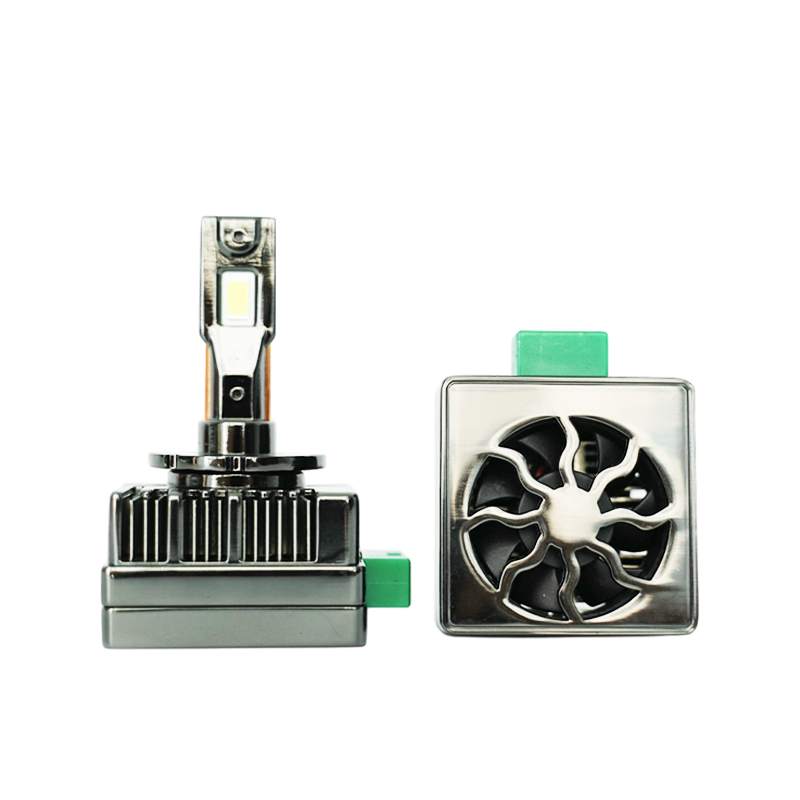
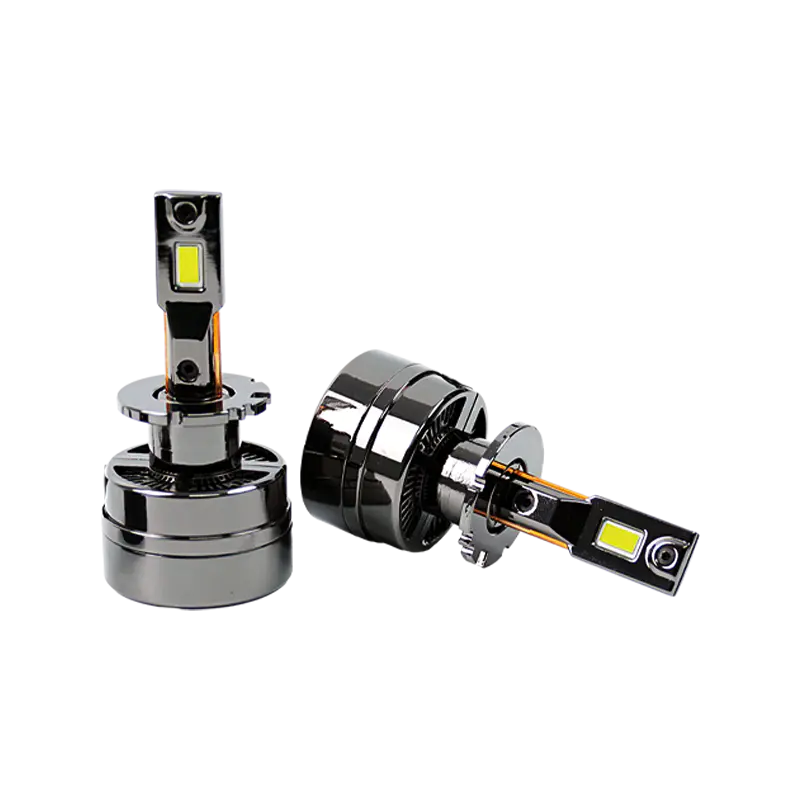
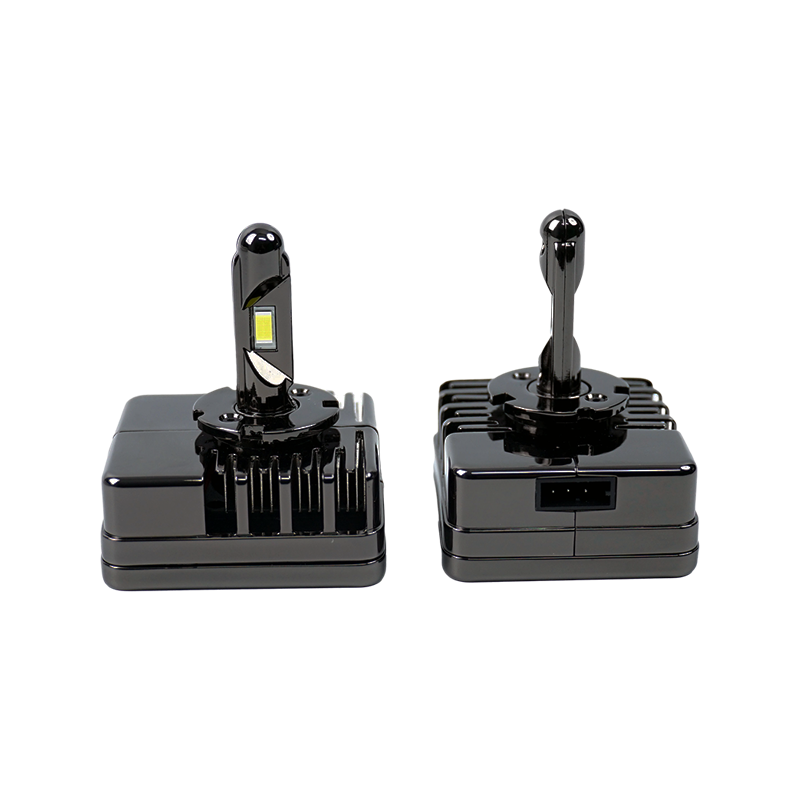
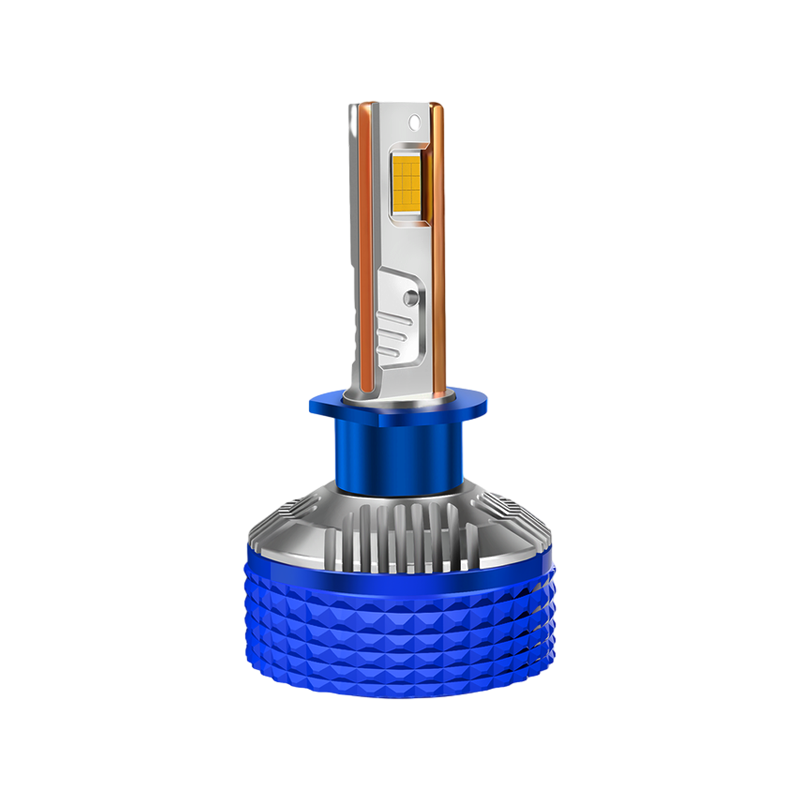
Unlike conventional bulbs, the aluminum profile LED headlight bulb integrates heat‑dissipating structures with high‑efficiency solid‑state emitters. While this enables tighter spatial control of luminous output, it also necessitates rigorous regulatory compliance to ensure that brightness and glare fall within permissible limits. Contemporary standards bodies and regulatory frameworks worldwide define these limits through performance criteria, measurement methods, and certification processes.
1. Defining Brightness, Glare, and Photometric Principles
1.1. Brightness Metrics
Brightness in headlight design is quantified using photometric terms that characterize the intensity and distribution of light:
- Luminous Intensity (candela): Indicates the visible power emitted by a light source in a specific direction. Peak luminous intensity values are central to regulations that govern how much light is permissible in various angular zones relative to the vehicle’s axis. ([Federal Register][1])
- Beam Pattern Characteristics: Regulations specify how light must be distributed spatially, including cutoff lines and intensity gradients that prevent excessive upward illumination or spread that could produce glare. ([ZCLEDS][2])
Brightness alone does not define glare; instead, the spatial distribution of that light relative to an observer’s eye influences visual comfort and safety.
1.2. Glare Types Relevant to Headlamps
In automotive lighting, glare is generally categorized as:
- Disability Glare: Impairs visual performance by reducing contrast and visibility for oncoming or preceding drivers.
- Discomfort Glare: Causes visual discomfort without substantially degrading performance but can contribute to increased eye strain and distraction.
Both types are referenced implicitly in regulatory frameworks through specified beam patterns and intensity limits intended to prevent light from entering the upper fields of view of other road users.
2. Regulatory Frameworks Governing Headlight Brightness and Glare
Internationally, multiple regulatory regimes exist to standardize headlamp performance. The most influential of these include regulations from Europe (ECE), the United States (FMVSS), and other national or regional standards bodies.
2.1. Federal Motor Vehicle Safety Standard 108 (FMVSS 108) – United States
FMVSS 108 is the primary regulation governing vehicle lighting in the United States. Administered by the National Highway Traffic Safety Administration (NHTSA), it establishes performance requirements for automotive lighting systems, including headlights, signal lamps, and reflective devices. ([Wikipedia][3])
Key aspects include:
- Certification: All headlamps must bear the “DOT” marking, indicating compliance with FMVSS 108. ([ZCLEDS][2])
- Beam Pattern and Aim: Photometric testing must confirm compliance with defined luminous intensity limits at prescribed angular positions relative to the vehicle axis. These limits are designed to contain light within safe zones that minimize glare for other drivers. ([PMC][4])
- Brightness Controls: While FMVSS 108 does not specify direct maximum candela values for all LED headlamp designs, it references test points and intensity constraints that effectively regulate brightness in relevant angular sectors to control glare. ([GovInfo][5])
Recent amendments have also introduced provisions for advanced adaptive driving beam (ADB) headlamps, which dynamically modulate brightness and distribution to reduce glare while optimizing visibility for the host vehicle. ([Electronic Design][6])
2.2. ECE Regulations – Europe and International Markets
Europe’s headlamp standards, particularly ECE Regulations No. 112, 128, and 149, define photometric criteria for headlamp approval. These regulations are mutually recognized in many countries beyond the European Union and serve as de facto international standards in several regions. ([Bliauto][7])
Key elements include:
- Type Approval and E‑Marking: Headlamp systems must undergo type approval testing and receive an E‑Mark certification before they can be legally installed on vehicles. ([Bliauto][8])
- Photometric Distribution: Regulations prescribe maximum and minimum luminous intensities at specified angular coordinates to ensure controlled brightness and to limit upward or lateral spill that could cause glare. ([Bliauto][8])
- Adaptive Front‑lighting Systems (AFS) and ADB: Standards increasingly mandate or encourage advanced systems that detect other vehicles and dynamically adjust beam patterns to reduce glare without sacrificing forward illumination. ([Bliauto][7])
2.3. National and Regional Nuances
Beyond FMVSS and ECE frameworks, many countries integrate local requirements that reflect specific road environments or safety priorities. For example:
| Region / Jurisdiction | Key Regulatory Focus | Relevance to LED Headlights | |
|---|---|---|---|
| United States | FMVSS 108 compliance with DOT marking and beam intensity limits; ADB provisions | Determines legal acceptance and glare control criteria | |
| European Union | ECE R112/R128 type approval with E‑Mark; ADB requirements | Detailed photometric beam requirements | |
| Philippines | LED headlight limits on luminous output and specific color temperature guidelines | Prevent excessive glare and ensure visibility performance | ([NAOEVO][9]) |
| China | GB and local standards regulating brightness, intensity distribution and compliance certification | Photometric and mechanical requirements including mounting height restrictions | ([Bliauto][10]) |
This illustrates that while overarching principles are consistent — limiting glare and ensuring visibility — specific photometric limits, measurement methods, and certification processes vary across jurisdictions.
3. Photometric Measurement and Test Methods
3.1. Laboratory Photometric Testing
Headlight systems, including those employing aluminum profile LED headlight bulb configurations, must undergo precise laboratory testing using goniophotometers and calibrated photometers to measure:
- Luminous intensity across multiple angular positions
- Beam cutoff sharpness
- Symmetry and uniformity of the light pattern
These measurements are compared against regulatory thresholds specified in FMVSS or ECE tables. The test methodology defines the headlamp’s orientation, measurement grid, and environmental conditions to ensure consistency.
3.2. Beam Pattern Specifications
Regulatory criteria typically define:
- Low Beam: Must provide adequate forward illumination while restricting upward or horizontal spillover that could cause glare to oncoming vehicles. ([ZCLEDS][2])
- High Beam: Allows a broader illumination area but still maintains limits to prevent hazardous glare at specified distances. ([Federal Register][1])
Beam patterns are quantified in terms of candela at defined vertical and horizontal angles relative to the vehicle axis. These measurements ensure that headlights deliver forward visibility without exceeding glare thresholds.
4. Engineering Implications for LED Headlight Design
4.1. Integration of Aluminum Profile Structures
The aluminum profile LED headlight bulb often serves as a thermal and structural backbone that supports one or more LED emitters and secondary optics. From an engineering perspective, design decisions related to thermal management, optical alignment, and reflector geometries directly influence compliance:
- Thermal Dissipation: Maintaining stable junction temperatures ensures consistent luminous output and spectral characteristics, which influence perceived brightness and beam shape.
- Optical Control: Secondary lenses and reflector geometry must be engineered to shape the luminous flux into distributions that meet regulatory beam pattern requirements.
- Mechanical Stability: Robust housing and alignment mechanisms help preserve compliance over service life, minimizing aim drift that could otherwise increase unintended glare.
4.2. Compliance Trade‑offs
Systems engineers must balance regulatory requirements with performance objectives:
| Design Consideration | Regulatory Impact | Engineering Trade‑off |
|---|---|---|
| Peak Lumens / Candela | Excessive output increases glare risk | Optimize for regulatory limits while maintaining visibility |
| Beam Cutoff Sharpness | Required to reduce upward glare | Precision optics and alignment increase complexity |
| Adaptive Control | Reduces glare dynamically | Additional sensors and algorithms needed |
These trade‑offs underscore the need to approach LED headlight design as a systems engineering challenge that integrates optical, thermal, electrical, and control elements within regulatory constraints.
5. Common Compliance Challenges and Mitigations
5.1. Misalignment and Installation Errors
Even compliant headlamp assemblies can fail to meet in‑use glare limits if aim is incorrect due to installation or alignment errors. Regular calibration and precision mounting are essential to maintaining consistent compliance.
5.2. Aftermarket LED Bulbs
Because LED retrofit bulbs inserted into housings not designed for them may not produce compliant beam patterns, many regions explicitly prohibit unauthorized retrofits for road use. Compliance markings (e.g., DOT, E‑Mark) help determine legal acceptability. ([ZCLEDS][2])
5.3. Advanced Technologies and Future Trends
Adaptive systems that detect oncoming traffic and adjust illumination dynamically present potential future pathways for enhancing glare control. Regulatory frameworks are evolving to allow these technologies, but widespread implementation may take time. ([Electronic Design][6])
6. Comparative Overview of Major Regulatory Approaches
To clarify how different regions manage brightness and glare, the table below summarizes key features:
| Regulatory Regime | Photometric Limits | Glare Control Mechanisms | Certification Requirement | |
|---|---|---|---|---|
| FMVSS 108 (US) | Angular intensity limits via test points | Beam distribution and aim constraints | DOT marking | |
| ECE R112/R128 (EU & others) | Detailed angular intensity and cutoff specs | Adaptive & advanced beam allowances | E‑Mark approval | |
| Local/National (Philippines, China) | Brightness & color limits | Aim and pattern compliance | Type approval / CCC / local certs | ([Bliauto][10]) |
This comparative view reinforces that while methodologies differ, the core principles of controlling brightness and limiting glare are consistent globally.
7. Summary
Regulations that govern brightness and glare in LED headlight systems — including those incorporating aluminum profile LED headlight bulb technology — are founded on photometric criteria designed to balance visibility and safety. Across major regulatory regimes such as FMVSS 108 (US) and ECE standards (Europe and beyond), the emphasis lies on controlled beam patterns, intensity limits, and certification frameworks that ensure headlights do not produce excessive glare that could impair other road users.
From a systems engineering perspective, product designers and integrators must consider not just luminous output, but how optical design, thermal performance, mechanical stability, and compliance verification interact to produce a headlighting system that meets regulatory expectations throughout its lifecycle.
Frequently Asked Questions (FAQ)
-
Why do headlights have limits on brightness and glare?
Regulations aim to provide sufficient roadway illumination for the driver while minimizing visual discomfort and safety risks for other road users by defining photometric limits and beam patterns. ([ZCLEDS][2]) -
What does FMVSS 108 regulate in LED headlights?
FMVSS 108 governs lighting and reflective devices in the US, including requirements for certification, beam patterns, and photometric intensity references that indirectly control glare. ([Wikipedia][3]) -
How do ECE regulations differ from US standards?
ECE regulations focus on type approval with detailed photometric distribution requirements and include provisions for advanced adaptive headlight systems. ([Bliauto][8]) -
Are aftermarket LED headlights compliant with glare regulations?
Aftermarket LED headlights must be certified (e.g., DOT or E‑Mark) and produce beam patterns that conform to regulations; uncertified retrofit bulbs often fail to meet these criteria. ([ZCLEDS][2]) -
What is adaptive driving beam (ADB) technology?
ADB systems dynamically adjust the distribution of light to avoid dazzling other drivers while enhancing visibility. New regulations in some markets permit ADB under controlled conditions. ([Electronic Design][6])
References
- Federal Motor Vehicle Safety Standard 108 – Overview of headlamp regulatory requirements. ([Wikipedia][3])
- Photometric and beam pattern considerations in headlamp design (SAE / ECE practices). ([PMC][4])
- Regulatory trends in automotive headlight requirements across major markets. ([Bliauto][7])
- LED headlight compliance basics for brightness and beam control. ([ZCLEDS][2])
- Practical compliance guidelines and headlight legal considerations. ([NAOEVO][9])