

 English
 Español
 عربى
عربى русский
Understanding LED Headlight Bulb Flickering and Dashboard Errors
Upgrading to automobile general LED headlight bulb systems has become increasingly popular among vehicle owners seeking improved visibility and energy efficiency. However, many drivers encounter frustrating issues after installation, including flickering lights, dashboard error messages, and intermittent functionality. These problems stem from fundamental differences between LED technology and traditional halogen bulb electrical characteristics.
Modern vehicles employ sophisticated electrical monitoring systems that constantly verify the operational status of all lighting components. When LED bulbs replace original halogen units, the vehicle's computer system often fails to recognize the new components, triggering error codes or causing unstable power delivery that manifests as visible flickering. Understanding these technical conflicts is essential for achieving reliable LED headlight performance.
Root Causes of LED Headlight Flickering
CAN Bus System Incompatibility
The Controller Area Network (CAN bus) serves as the communication backbone in modern vehicles, monitoring electrical loads and detecting bulb failures. Traditional halogen bulbs typically draw between 55 to 65 watts of power, creating a specific resistance signature that the vehicle computer recognizes. LED headlight bulbs, by contrast, operate at significantly lower power consumption—often between 20 to 35 watts—while delivering equivalent or superior light output.
When the CAN bus system detects this reduced power draw, it interprets the situation as a burned-out bulb or wiring fault. This misinterpretation triggers dashboard warning lights and can cause the system to cut power intermittently to the LED bulbs, resulting in visible flickering or complete shutdown after several minutes of operation. Vehicles manufactured after 2009, particularly from manufacturers like Dodge, Ram, Ford, GMC, Chrysler, Chevrolet, Hyundai, and Kia, exhibit higher susceptibility to these compatibility issues.
Pulse Width Modulation Conflicts
Many modern vehicles utilize Pulse Width Modulation (PWM) technology to control headlight brightness and manage power consumption. This system rapidly switches power on and off at frequencies imperceptible to human vision when used with halogen bulbs. However, LED bulbs respond instantaneously to electrical input, making PWM cycles visible as distinct flickering or strobing effects.
The PWM frequency varies by vehicle manufacturer and model year. Some systems operate at frequencies as low as 100 Hz, which becomes immediately apparent when LED bulbs are installed. This technical mismatch represents one of the most common causes of LED headlight flickering in newer vehicles.
Voltage Regulation and Power Supply Issues
LED headlight systems require stable voltage input between 12.0 and 14.5 volts for optimal performance. Voltage fluctuations below 10.5 volts commonly cause flickering or partial illumination, where only segments of the LED array activate. These voltage drops frequently occur due to:
- Weak or aging vehicle batteries unable to maintain consistent output
- Failing alternators with defective voltage regulators
- Corroded battery terminals or loose ground connections
- High-resistance joints in factory wiring harnesses
- Overloaded electrical systems when multiple accessories operate simultaneously
Dashboard Error Messages and Warning Indicators
Vehicle dashboard systems display various error codes when LED headlight installation creates electrical conflicts. Understanding these warning indicators helps diagnose the specific technical issue requiring correction.
Common Dashboard Warning Types
| Error Type | Typical Display | Underlying Cause |
| Bulb Out Warning | Headlight symbol with X | Low power draw detected by CAN bus |
| High Beam Fault | Blue high beam indicator flashing | Resistance mismatch in high beam circuit |
| Adaptive Lighting Error | AFS malfunction message | Communication failure with lighting module |
| General Electrical Fault | Check engine or system warning | Intermittent power interruption detected |
Behavioral Symptoms Beyond Dashboard Warnings
Beyond visible dashboard alerts, LED headlight electrical conflicts produce several operational symptoms that indicate specific technical problems:
- Hyper-flashing: Rapid blinking occurring when LED bulbs replace turn signal or marker lights, caused by the flasher relay detecting reduced current draw
- Delayed startup: LED bulbs requiring several seconds to reach full brightness due to voltage stabilization issues
- Automatic shutdown: Headlights turning off after 2-5 minutes of operation as the CAN bus system cuts power to protect the circuit
- Engine stalling: In severe cases, turning on LED headlights causes engine performance issues due to electrical system conflicts
- Radio interference: Electrical noise from incompatible LED drivers affecting audio system clarity
Effective Solutions for Flickering and Error Codes
CAN Bus Decoders and Anti-Flicker Modules
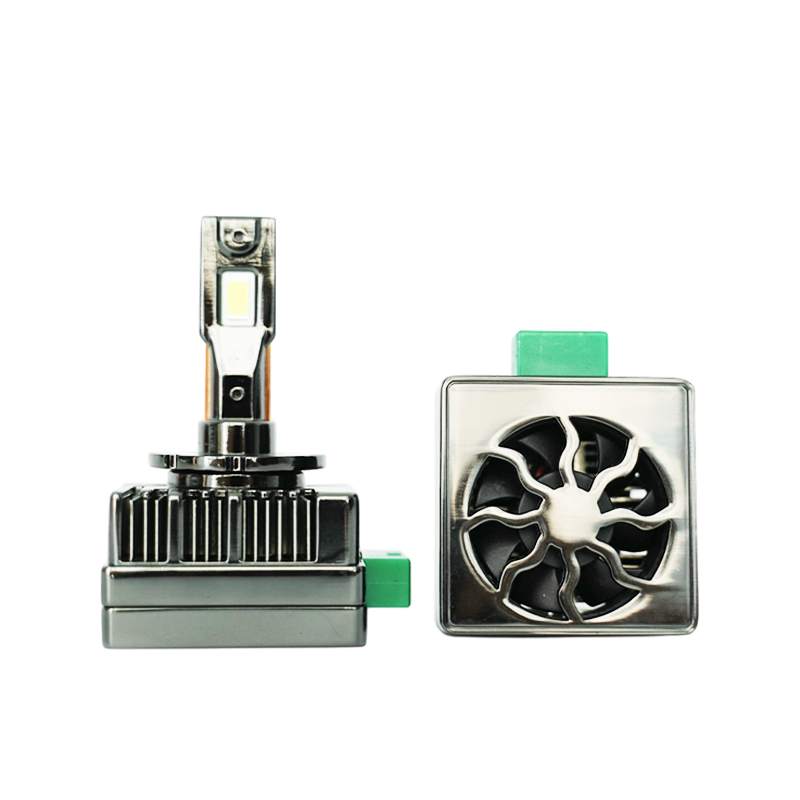
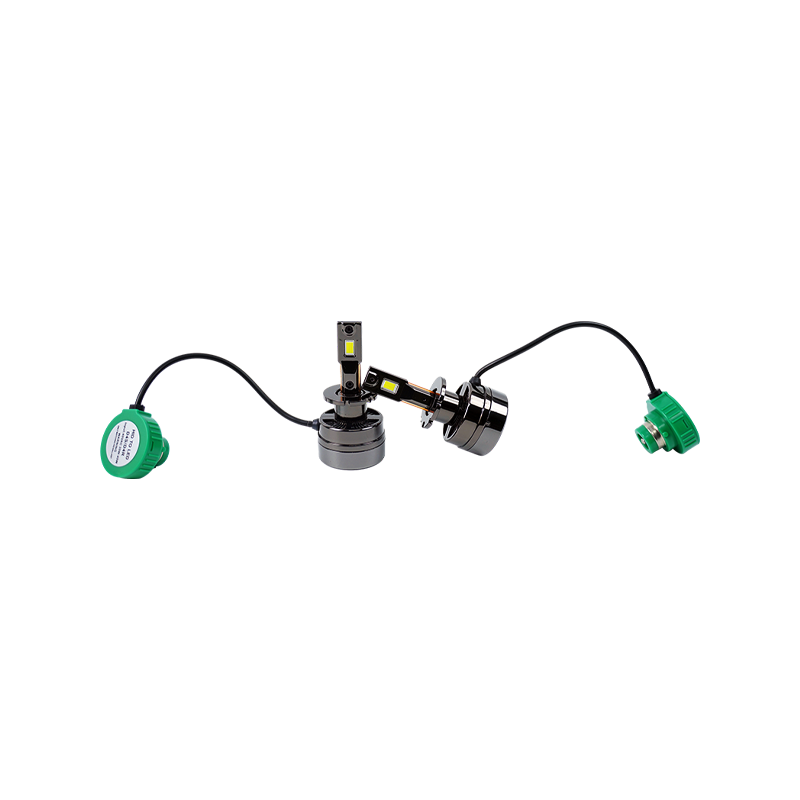
CAN bus decoders represent the most effective solution for resolving dashboard errors and flickering issues. These compact electronic modules install between the vehicle wiring harness and the LED bulb, simulating the electrical signature of traditional halogen bulbs. Quality decoders feature built-in capacitors and resistive circuits that draw additional current to satisfy CAN bus monitoring requirements while delivering clean, stable power to LED components.
Modern decoder systems achieve compatibility with approximately 95% of vehicle CAN bus configurations, including complex systems found in European luxury vehicles and American trucks. Installation typically requires 5-10 minutes per headlight, utilizing plug-and-play connectors that require no wire cutting or permanent modifications. Operating specifications for quality decoders include voltage ranges of DC 9-16V and operating temperatures between -40°C to +125°C, ensuring reliable performance across diverse climate conditions.
Load Resistor Installation
Load resistors provide an alternative solution by adding resistance to the circuit to mimic halogen bulb power consumption. These components typically feature 6-ohm to 8-ohm resistance values and handle power compensation between 6.5W and 7.5W. When installed in parallel with LED bulbs, load resistors increase total circuit draw to levels that satisfy vehicle monitoring systems.
Installation requires connecting the resistor between the positive and negative wires of the headlight circuit. Critical installation considerations include:
- Mounting resistors on heat-resistant metal surfaces away from plastic components, as operating temperatures can exceed 125°C
- Ensuring adequate ventilation around the resistor housing to prevent heat accumulation
- Using heat-resistant gloves during installation to prevent burns
- Securing all connections with proper electrical tape or heat-shrink tubing to prevent corrosion
Voltage Stabilization and Power Conditioning
For vehicles experiencing voltage-related flickering, several diagnostic and corrective steps prove effective. Begin by testing battery voltage with a multimeter: healthy batteries display 12.6 volts with the engine off and 13.7 to 14.7 volts when running. Readings below these thresholds indicate battery or alternator requiring replacement.
Cleaning battery terminals and checking ground connections resolves many flickering issues caused by high-resistance connections. Apply dielectric grease to cleaned terminals to prevent future oxidation. For persistent low-voltage conditions, upgrading to high-output alternators or installing capacitors in the headlight circuit provides additional power conditioning.
PWM Filter Integration
Vehicles utilizing PWM dimming systems require specialized filters that smooth the pulsed power delivery into consistent DC voltage suitable for LED operation. These filters integrate into the wiring harness between the vehicle connector and LED driver, eliminating the strobing effect caused by rapid power cycling. Quality PWM filters maintain steady output voltage regardless of input pulse frequency, ensuring flicker-free operation across all brightness levels.
Diagnostic Procedures for Identifying Specific Issues
Systematic diagnosis helps isolate the specific cause of LED headlight problems, ensuring appropriate corrective action. Follow this structured approach to identify root causes:
Step-by-Step Troubleshooting Protocol
- Voltage Testing: Measure voltage at the headlight connector using a multimeter. Compare readings between left and right sides to identify circuit-specific issues.
- Component Swapping: Exchange LED bulbs and drivers between left and right headlights. If the problem follows the component, the bulb or driver requires replacement. If the issue remains on the same side, vehicle wiring or grounding problems exist.
- Direct Battery Testing: Connect LED bulbs directly to the battery using jumper wires. Stable operation confirms vehicle wiring issues; continued flickering indicates defective LED components.
- Connection Wiggle Test: With headlights illuminated, gently manipulate wiring harnesses and connectors. Flickering induced by movement reveals loose connections or internal wire breaks.
- Relay and Fuse Inspection: Locate the headlight relay in the engine compartment fuse box and swap with an identical relay from a non-critical circuit. Replace any fuses showing discoloration or heat damage.
- OBD-II Scanning: For vehicles displaying persistent error codes, utilize an OBD-II scanner to retrieve lighting-related fault codes from the Body Control Module (BCM) or Lighting Control Module (LCM).
When to Seek Professional Assistance
Certain electrical issues exceed safe DIY intervention limits. Consider professional diagnosis when experiencing:
- Persistent flickering after installing decoders and checking all connections
- Multiple electrical systems malfunctioning simultaneously, indicating broader voltage regulation problems
- Vehicles equipped with adaptive lighting, auto-leveling, or smart DRL systems requiring module reprogramming
- Evidence of melted connectors, burned wiring insulation, or burning odors suggesting short circuits
Preventive Measures and Long-Term Reliability
Implementing preventive strategies during LED headlight installation prevents future flickering issues and extends system longevity. Consider these best practices:
Quality Component Selection
Select LED headlight kits featuring integrated CAN bus compatible drivers and premium external driver modules. High-quality LED systems incorporate sophisticated constant-current circuitry that maintains stable illumination across voltage fluctuations from 9V to 16V. Budget LED kits often lack adequate filtering and voltage regulation, resulting in higher failure rates and compatibility issues.
Environmental Protection
Protect electrical connections from moisture, salt exposure, and temperature extremes. Apply dielectric grease to all connectors during installation to prevent corrosion. Ensure decoder modules and resistors mount in locations receiving adequate airflow for heat dissipation. Avoid placing heat-generating components near plastic headlight housings or wiring insulation.
Regular System Inspection
Conduct monthly visual inspections of LED headlight systems, checking for loose connections, corrosion development, or physical damage to wiring. Address minor issues promptly before they escalate into complete system failures. Clean headlight lenses regularly to maintain optimal light output and reduce electrical strain on components.
Frequently Asked Questions
Q1: Why does my LED headlight bulb work fine initially but flicker after a few minutes?
This pattern indicates CAN bus system intervention. The vehicle computer allows initial operation but cuts power after detecting sustained low current draw, interpreting it as a fault condition. Installing a CAN bus decoder resolves this by maintaining appropriate power consumption levels that satisfy monitoring systems.
Q2: Can LED headlight flickering damage my vehicle's electrical system?
While flickering itself rarely causes damage, underlying issues like loose connections or short circuits can create safety hazards. Intermittent high-resistance connections generate heat that may damage connectors or surrounding components. Persistent error codes can also trigger protective shutdowns of other vehicle systems.
Q3: Do all vehicles require decoders when upgrading to LED headlights?
Not all vehicles require decoders. Older vehicles without CAN bus systems typically accept LED upgrades without modification. However, most vehicles manufactured after 2009, particularly European and American models with advanced electrical monitoring, benefit from decoder installation to prevent error messages and ensure stable operation.
Q4: What is the difference between load resistors and CAN bus decoders?
Load resistors simply add electrical resistance to increase current draw, generating significant heat in the process. CAN bus decoders utilize intelligent circuitry to simulate bulb signatures while providing clean power to LEDs. Decoders offer superior reliability and safety compared to resistors, though they cost more initially.
Q5: Why do my LED headlights flicker when I turn the steering wheel or activate other electrical components?
This symptom indicates voltage regulation problems, typically related to weak alternators or poor grounding. When power steering or other high-draw systems activate, they momentarily reduce available voltage to headlights. Testing alternator output and cleaning ground connections usually resolves this issue.
Q6: Can I install LED headlights without triggering dashboard errors?
Pre-installation research helps prevent errors. Verify your vehicle's electrical system requirements and select LED kits specifically marketed as CAN bus compatible or error-free. Many modern LED systems incorporate built-in resistors and filtering circuits that eliminate the need for external decoders.
Q7: How hot do load resistors get during operation?
Load resistors operate at temperatures exceeding 125°C during normal use. This extreme heat necessitates mounting on metal surfaces away from plastic, rubber, or painted components. Never touch resistors immediately after operation, and ensure adequate ventilation to prevent heat accumulation in enclosed spaces.
Q8: Will installing LED decoders void my vehicle warranty?
Quality plug-and-play decoders that utilize factory connectors without cutting or splicing wires typically do not void warranties. The Magnuson-Moss Warranty Act protects consumers from warranty invalidation when using aftermarket parts, unless the specific part causes damage. Maintain documentation of professional installation for warranty protection.