

 English
 Español
 عربى
عربى русский
Confusion during fog light bulb shopping is common. Buyers look at brightness ratings and plug the first bulb that fits, only to find that the light scatters in mist or the housing fills with moisture after the first rain. The correct approach starts with a clear question: what kind of fog light solution actually delivers safe visibility in bad weather? The answer is a low-mounted, sealed unit with a controlled beam pattern, installed after checking socket compatibility and electrical load.
For vehicle owners, workshop buyers, and fleet managers, the real decision is not just whether to buy an LED replacement. It is whether the product produces genuine usable light on the road without blinding oncoming traffic. Understanding how fog lights differ from headlights and which specifications matter makes the choice much easier.
What Makes Fog Light Bulbs Different from Headlight Bulbs
Fog lights are mounted lower than headlights, usually inside the bumper or lower grille. This low position allows the beam to travel close to the road surface instead of projecting upward. The difference matters in rain and fog: water droplets suspended in the air reflect light back toward the driver. A wide, flat cut-off keeps the beam below eye level and significantly reduces backscatter.
Beam Position and Pattern
A traditional halogen fog bulb produces a broad but somewhat uncontrolled beam. A modern LED fog light bulb with a projector lens creates a sharper horizontal cut-off, which means less wasted light and more usable illumination on the ground. In practice, this helps you see lane edges, puddles, and obstacles that otherwise disappear into the gray.
Color Temperature
Amber or golden yellow bulbs around scatter less in fog and rain, which is why they were standard for many decades. White LED fog lights in the range offer a cleaner appearance and are increasingly popular. If you drive through heavy fog or torrential rain regularly, a warmer tone gives better contrast. For occasional mist and mixed weather, a crisp white light works fine and matches modern vehicle styling.
Key Specifications to Compare
Packaging tells only part of the story. Five specifications determine whether a fog light bulb performs well in real conditions.
- Light output (lumens): Total brightness. High-performance fog lights can reach 10000LM, but beam distribution matters more than raw numbers.
- Power draw (watts): Most LED fog bulbs operate between 25W and 45W. Higher wattage increases heat stress on the housing.
- Voltage range: Passenger vehicles usually run ; commercial trucks frequently need compatibility.
- Ingress protection: A rating of or indicates the housing resists dust and water. For a component mounted low in the bumper, this is essential.
- Beam control: A projector lens shapes light into a horizontal cut-off, while a simple reflector LED can scatter light unpredictably.
| Specification | Recommended Range | Why It Matters |
|---|---|---|
| Light output | 4,000 - 10,000 LM | Determines visible distance in low visibility |
| Color temperature | 3,000K - 6,000K | Balances scatter reduction and aesthetic preference |
| Power draw | 25W - 45W | Affects brightness and heat generation |
| Voltage range | DC 9-16V / 12-24V | Matches the vehicle electrical system |
| Ingress protection | IP67 / IP68 | Prevents moisture failure in low-mounted assemblies |
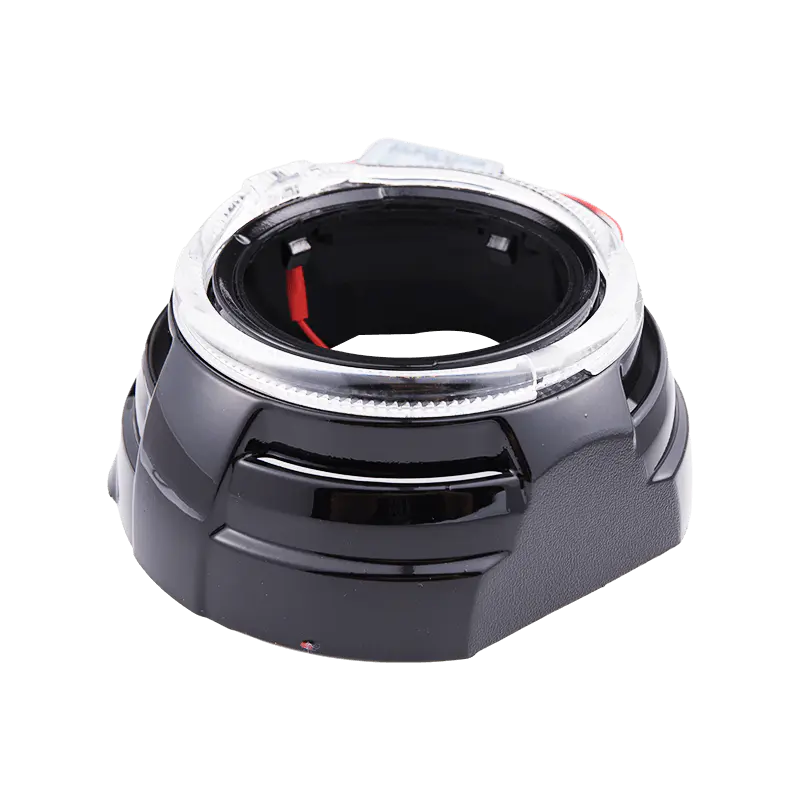
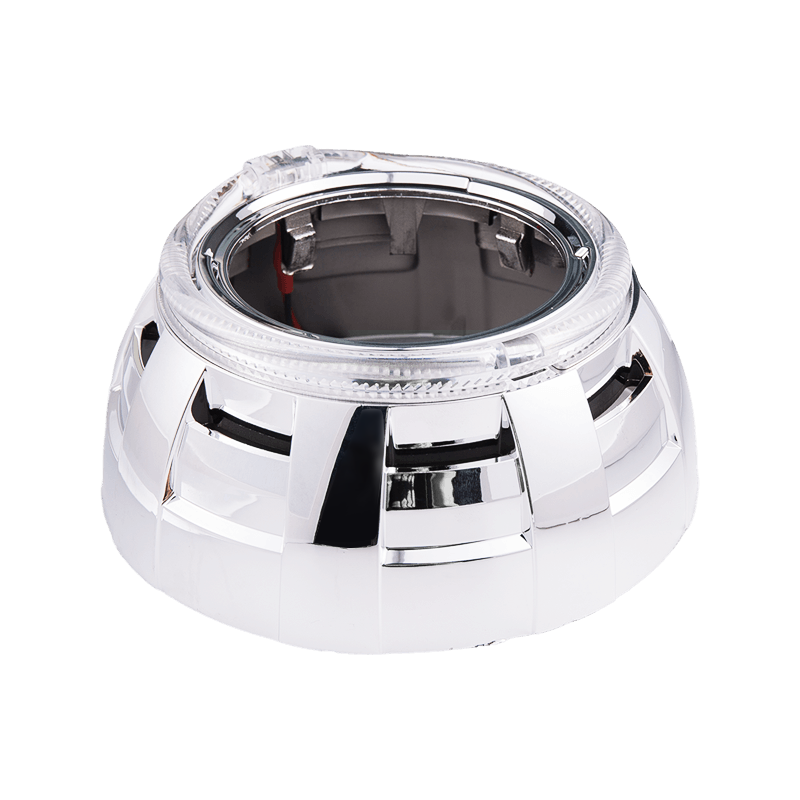
For a fixed-vehicle installation where the housing can take a complete unit, an integrated projector with high output and a dual-light lens is a practical choice. The JC06 10000LM 45W integrated LED fog light bifocal lens is one example that combines a sealed lens, high lumen output, and a robust metal body.
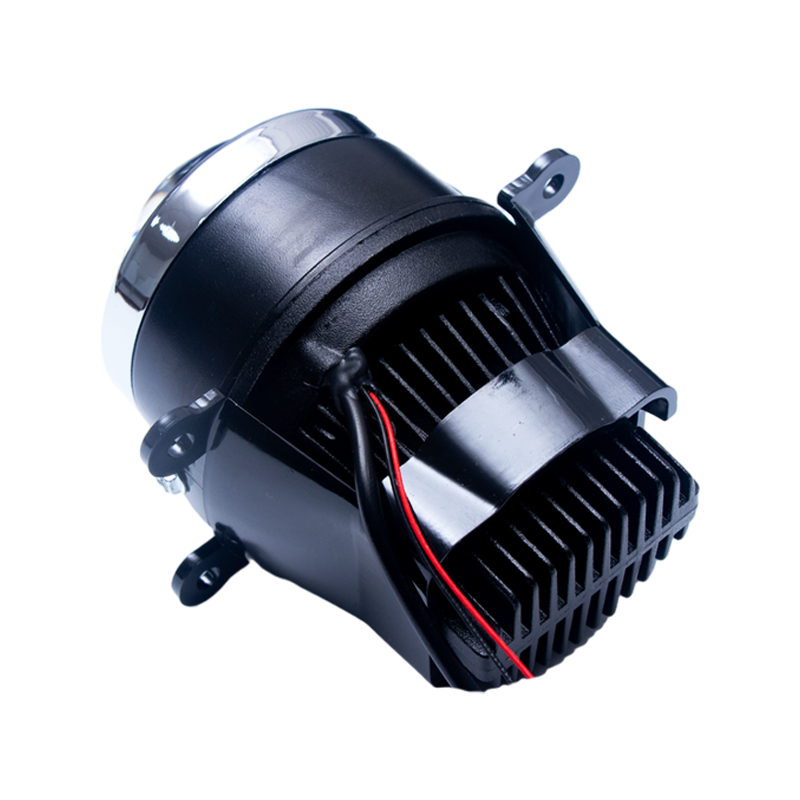 JC06 10000LM 45W Integrated LED Fog Light with Bifocal LensThis sealed metal-bodied fog light delivers a cool white 10000-lumen output and a dual-light beam, offering strong illumination and controlled light distribution for fixed vehicle installations.View Product →
Why a Projector Lens Changes the Fog Light Game
Replacing a bulb inside a factory reflector only upgrades the light source. It does little to control how that light reaches the road. A projector lens, by contrast, focuses the light into a precise shaped beam with a sharp upper cut-off. This reduces the dangerous white-out effect in fog because it prevents light from bouncing off droplets and back into the driver's eyes.
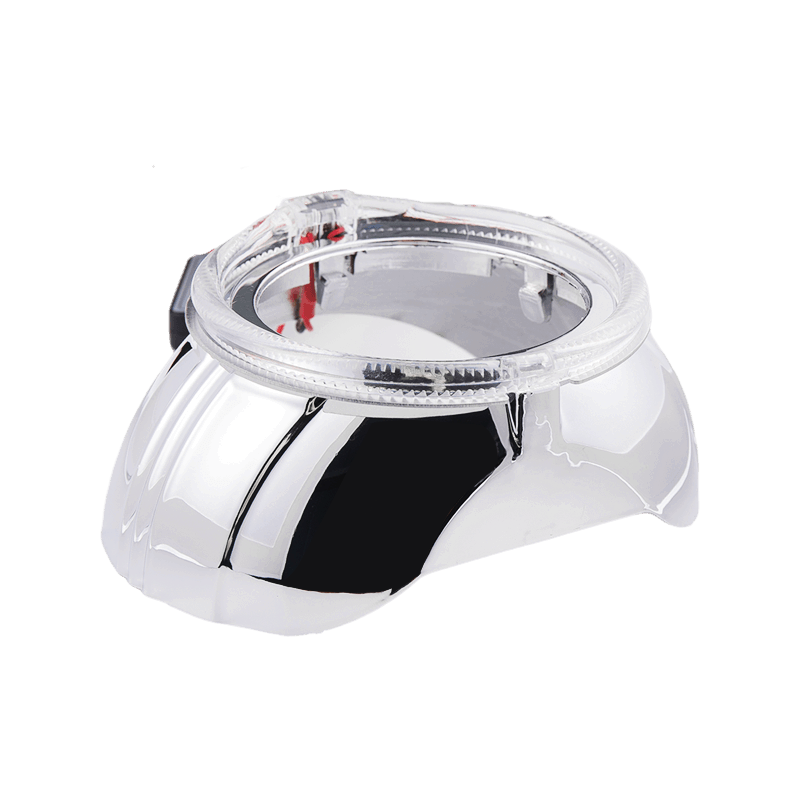
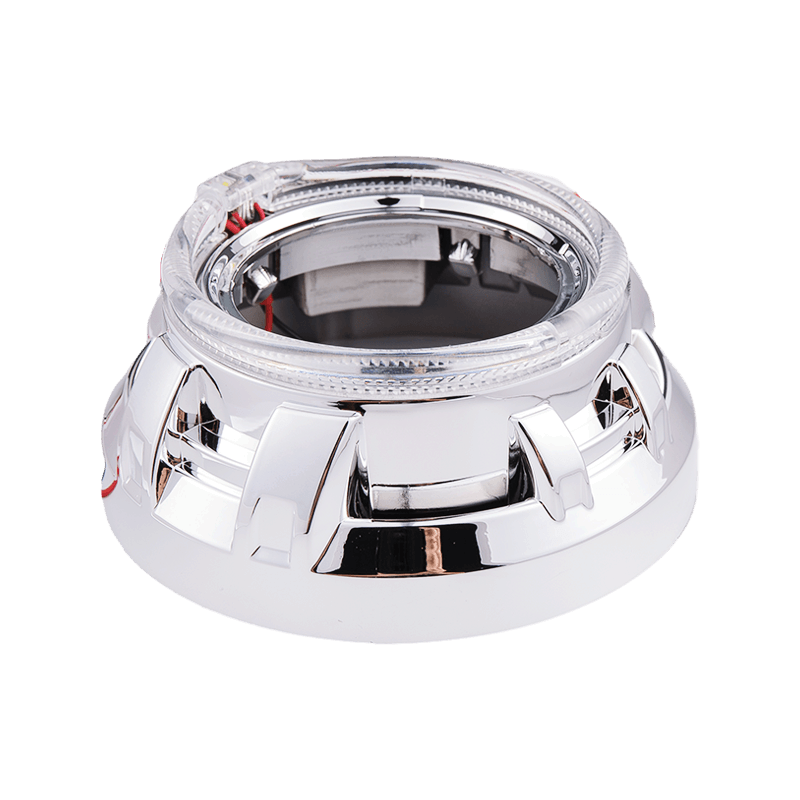
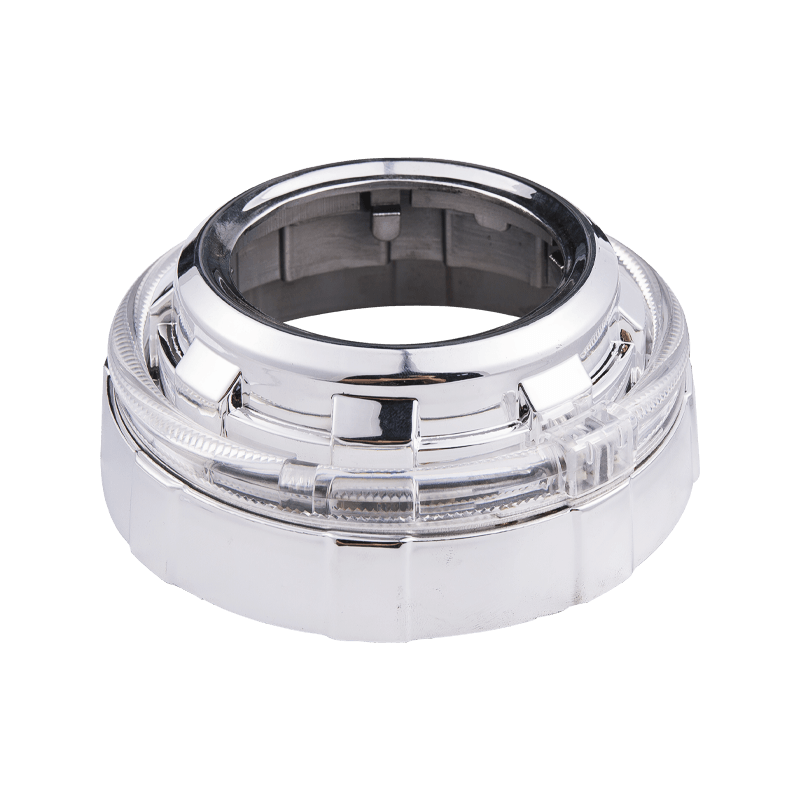
Integrated LED fog light lenses simplify the retrofit process. Instead of fitting a bulb, you install the complete lens assembly as one sealed unit. The LED chip, lens, and heat sink are designed to work together, which improves thermal consistency and product reliability.
If your fog lamp housing supports a 3-inch projector, the JC03 H11 3-inch integrated LED fog light lens offers a clean 6000K beam with a compact integrated structure, making it a straightforward upgrade for many passenger vehicles.
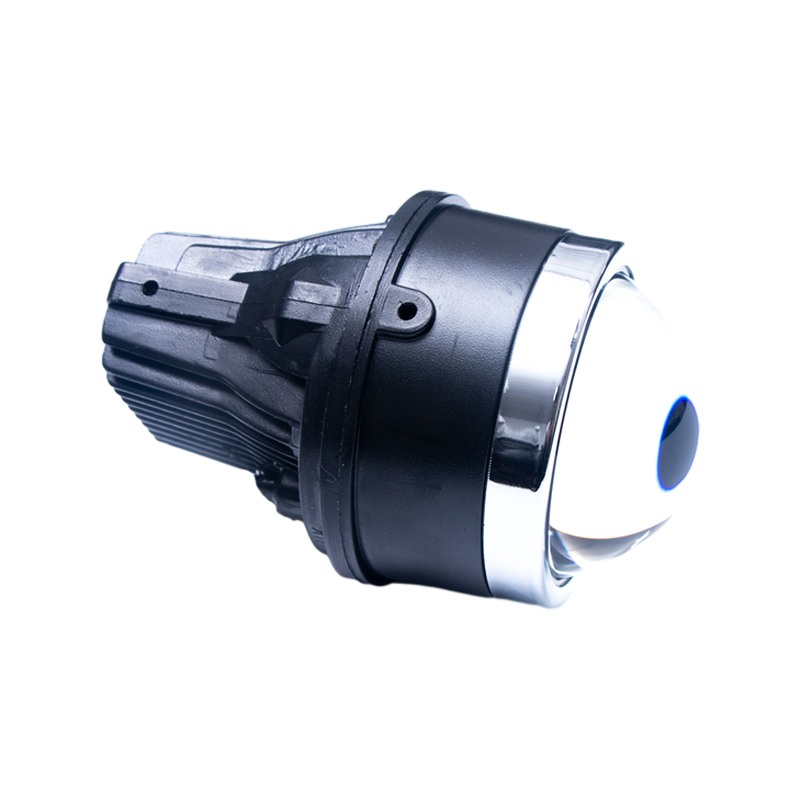 JC03 H11 3-Inch 6000K Integrated LED Fog Light LensA compact 3-inch integrated fog light for H11 sockets, producing a 6000K cool white beam with IP68 waterproofing, fitting many passenger vehicles as a straightforward upgrade.View Product →
Compatibility: Finding the Right Fog Light Bulb for Your Vehicle
Common Fog Light Socket Sizes
The most common fog light sockets are H11, H8, H16, and H3. H11 dominates Japanese and Korean models, while H8 and H16 appear frequently on European vehicles. H3 is common on older trucks and vans. Always check the marking on your current bulb or consult the owner's manual before ordering.
Fitment Beyond the Socket
Even when the socket matches, the housing depth can prevent a large LED bulb or lens from fitting. Measure the available space behind the fog lamp opening. Also verify the electrical load. Some vehicles use a canbus system that expects a halogen load; an LED fog light bulb without a canbus driver can cause flickering or a dashboard fault. For fleet vehicles with a 24V system, choose fog light bulbs explicitly rated for DC 12/24V.
Common Problems with Fog Light Bulbs
Flickering and Dashboard Warnings
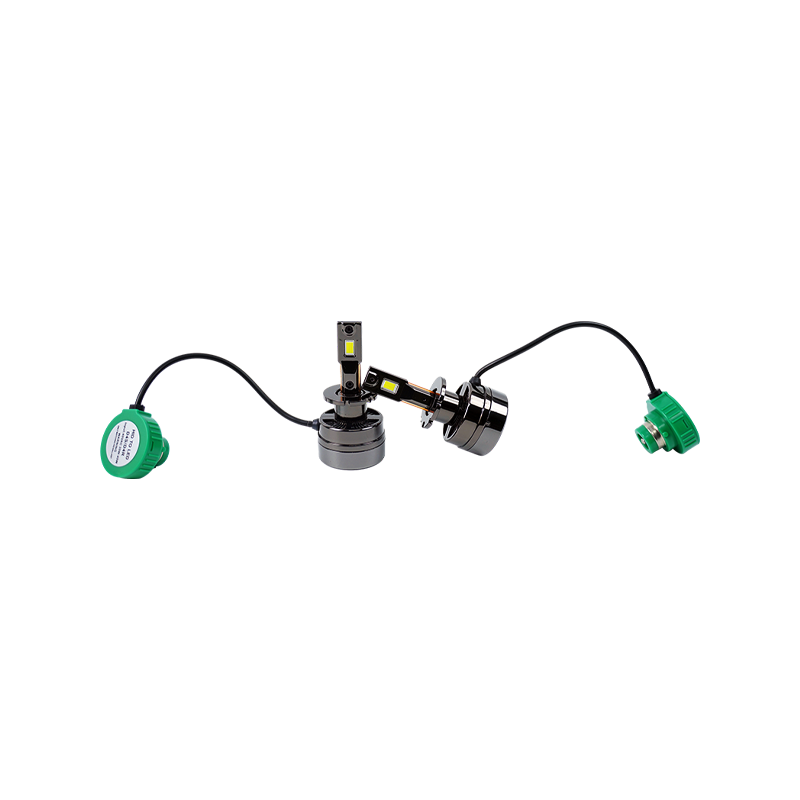
Flickering usually happens because the vehicle computer detects a lower current draw than for a halogen bulb. A canbus decoder or a built-in canbus driver resolves this by simulating the expected load. Selecting an LED fog light that includes this feature saves you the hassle of installing a separate harness.
Moisture Inside the Lens
Condensation inside a fog lamp means the seal has failed. This can happen after a careless bulb replacement. Integrated LED fog light lenses with an rating are sealed as a complete unit, which gives them a clear advantage over drop-in bulbs in wet locations near the bumper.
Overheating and Shortened Lifespan
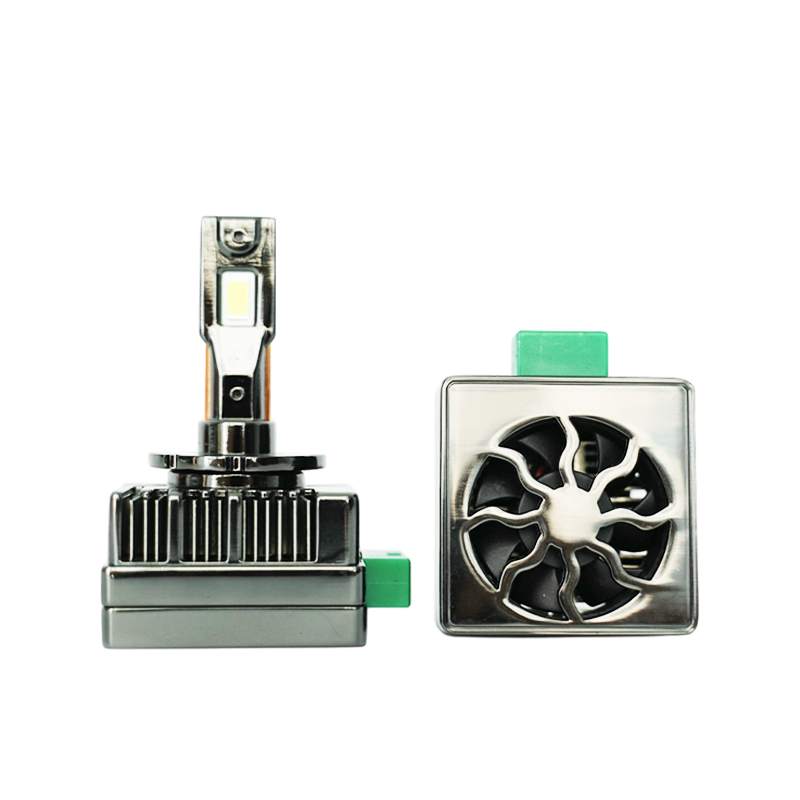
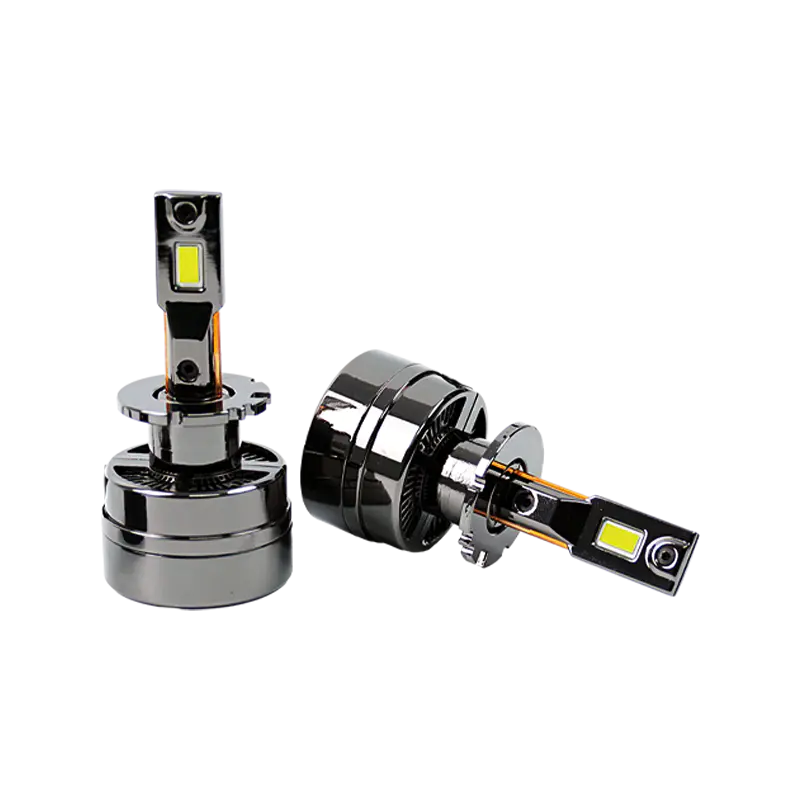
Heat is the main cause of premature LED failure. Fog light mounts close to the road get little airflow, so thermal management is critical. A metal housing with an integrated heat sink dissipates heat more effectively than plastic. The JC05 black metal integrated LED fog light bifocal lens uses a metal body to keep operating temperature under control, which supports long service life even in demanding conditions.
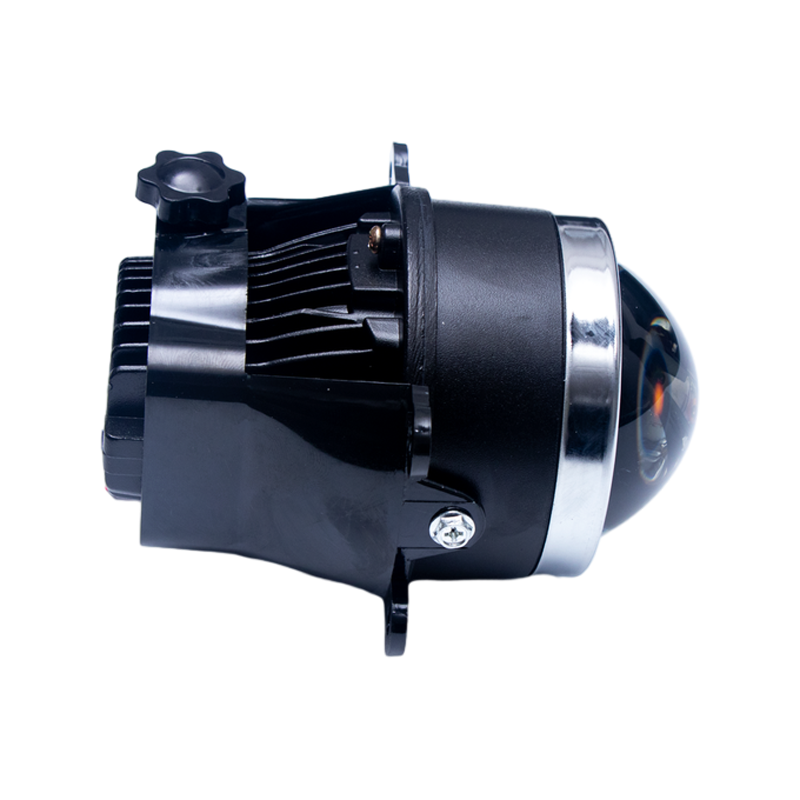 JC05 Black Metal Integrated LED Fog Light Bifocal LensBuilt with a metal housing and heat sink, this fog light manages heat effectively to support long service life, providing a 10000-lumen cool white beam in demanding conditions.View Product →
Installation and Maintenance Tips
- Disconnect the vehicle battery before working on any light assembly.
- Wear clean gloves when handling LED bulbs to avoid contaminating the lens surface.
- After installation, verify the beam cut-off and aim. Adjust the housing if the pattern is too high, because an incorrect aim creates glare for oncoming drivers.
- Periodically inspect the fog lamp seals and clean the outer lens with a soft cloth to maintain output.
For a deeper look at how projector lenses and yellow fog lights perform in real conditions, see this article on LED projector lenses and yellow fog lights.
Frequently Asked Questions
Q1: Can I use LED fog light bulbs in my existing fog lamp housing?
Yes, if the socket size matches and the housing has enough depth for the heat sink. If the housing is very shallow, consider an integrated LED fog light lens instead.
Q2: What is the best color temperature for fog lights?
For heavy fog and rain, 3000K amber provides the best contrast. For general use and a modern appearance, 6000K white is common. Some models support both settings.
Q3: Are LED fog light bulbs legal?
LED fog lights are legal when they meet your country's regulations for beam pattern, color, and brightness. Check local rules before replacing factory lighting.
Q4: How long do LED fog light bulbs last?
Quality LED fog lights are rated between 30,000 and 50,000 hours. Actual lifespan depends on thermal management, driver quality, and installation conditions.
Choosing the Right Fog Light Solution
Selecting the best fog light bulbs starts with compatibility: the socket size, voltage, and housing space. From there, prioritize water resistance, beam control, and thermal build quality. For many vehicles, an integrated LED fog light lens is the cleanest approach because it replaces the factory assembly with a sealed unit that produces a controlled beam exactly where it is needed.
If you manage a workshop, parts distribution, or vehicle fleet, consistency and reliability become the deciding factors. A steady supplier that offers both simple LED bulbs and complete fog light lens assemblies can simplify inventory and reduce installation time. To explore the available options, see the full fog light range or contact their team for OEM and ODM discussions.