

 English
 Español
 عربى
عربى русский
A waterproof LED headlight bulb is a crucial component in modern automotive lighting systems, designed to ensure optimal visibility while resisting environmental challenges such as rain, dust, and humidity. With increased attention on vehicle safety and lighting performance, buyers and professionals alike frequently inquire about the waterproof rating of LED headlight bulbs. Understanding how the waterproof rating is measured can help consumers make informed decisions and ensure reliable long-term performance.
Understanding Waterproof Ratings
What is a waterproof rating?
A waterproof rating indicates the level of protection a device provides against water intrusion. In the case of a waterproof LED headlight bulb, this rating reflects the bulb’s ability to operate effectively in various wet conditions without damage or performance degradation. It is essential to recognize that waterproof rating is not merely a marketing term but is grounded in internationally recognized testing standards.
The most common standard for waterproof devices, including automotive lighting, is the IP (Ingress Protection) rating. The IP rating system is a globally recognized standard that classifies electronic devices based on their resistance to solids and liquids.
IP Rating System
The IP rating consists of two digits. The first digit denotes protection against solid objects, such as dust, while the second digit specifies resistance to water penetration. For a waterproof LED headlight bulb, both aspects are critical: dust can interfere with internal components, and water can short-circuit or corrode electrical parts.
| IP Rating | Solid Protection | Water Protection |
|---|---|---|
| IP65 | Dust tight | Water jets from any direction |
| IP67 | Dust tight | Temporary immersion in water up to 1 meter |
| IP68 | Dust tight | Continuous immersion under specified conditions |
By referencing these ratings, buyers can understand the environmental limits of a waterproof LED headlight bulb. For example, an IP67-rated bulb can handle temporary immersion in water, making it suitable for off-road or heavy rain conditions.
Testing Procedures for Waterproof LED Headlight Bulbs
Laboratory Testing
Waterproof LED headlight bulbs undergo rigorous laboratory testing to confirm their IP ratings. The tests are performed under controlled conditions to simulate real-world scenarios.
- Water Jet Test: For bulbs with ratings such as IP65, high-pressure water jets are directed at the bulb from multiple angles. The bulb must continue functioning without water ingress.
- Immersion Test: For bulbs with IP67 or IP68 ratings, the bulb is submerged in water to specific depths and durations. Any malfunction or water penetration results in a failed test.
- Dust and Particle Test: While focused on waterproofing, these tests often combine with dust exposure to ensure the sealants and housing remain intact under multi-environment stress.
Each test ensures that the waterproof LED headlight bulb will withstand typical environmental challenges, providing reliable performance in various driving conditions.
Environmental Considerations
Testing also takes into account temperature fluctuations, vibration, and humidity, which can affect the waterproofing integrity of a bulb. Repeated heating and cooling cycles can cause expansion and contraction of materials, potentially compromising the seal. Manufacturers simulate these conditions to ensure long-term durability.
Materials and Design Features Contributing to Waterproofing
Housing and Sealants
The housing material of a waterproof LED headlight bulb is typically made from high-grade aluminum or heat-resistant plastic. These materials are chosen for their resistance to corrosion, thermal stress, and water infiltration.
The sealant, often silicone-based, is applied around critical joints and connectors to prevent water from entering the internal circuitry. The quality and placement of sealants are key factors in achieving high IP ratings.
Heat Management Considerations
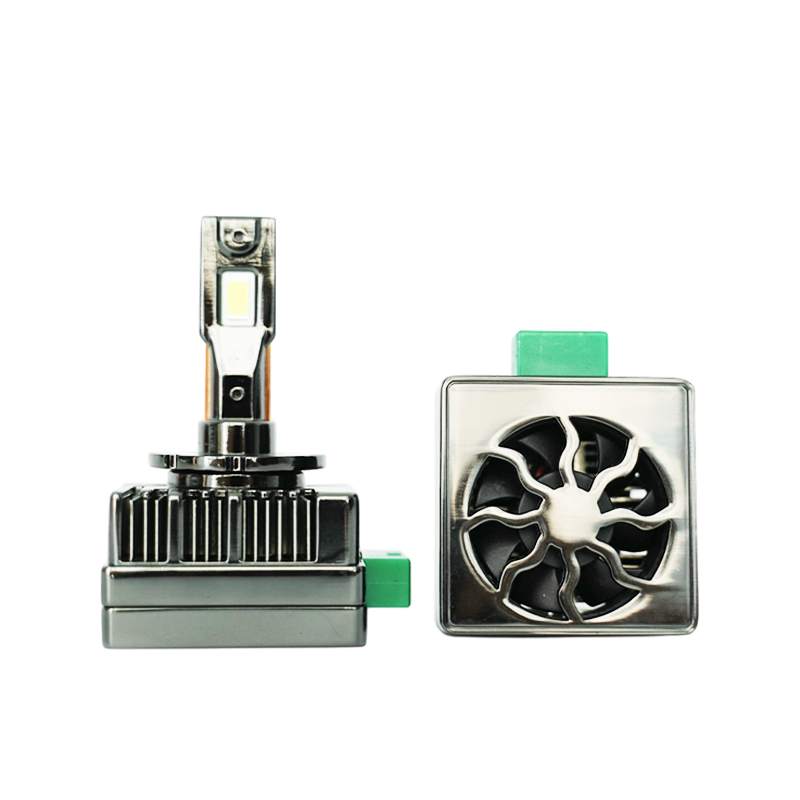
Waterproofing alone is insufficient if the bulb cannot manage heat effectively. Many waterproof LED headlight bulbs incorporate heat sinks and thermal management systems. Proper heat dissipation ensures that the sealing materials do not degrade over time due to high temperatures, maintaining both performance and waterproof integrity.
Connector Design
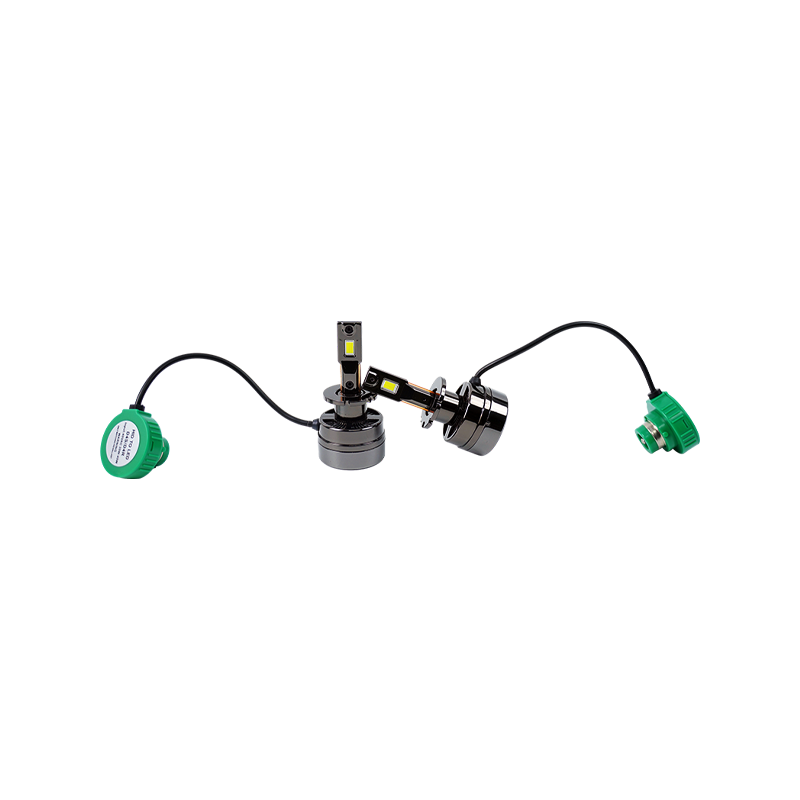
The bulb’s connectors are another critical component. Waterproof LED headlight bulbs often feature rubber gaskets and locking mechanisms that prevent water entry where the bulb connects to the vehicle’s wiring. This ensures that even in heavy rain or off-road conditions, electrical safety is maintained.
Common IP Ratings for Waterproof LED Headlight Bulbs
IP65
Bulbs with IP65 ratings are resistant to water jets but are not designed for immersion. This rating is ideal for standard road conditions, where exposure to rain or car washing is common.
IP67
An IP67-rated waterproof LED headlight bulb can withstand temporary immersion in water up to one meter. This rating suits vehicles that are frequently driven through flooded areas or rough terrain.
IP68
IP68 bulbs are engineered for continuous immersion in water under specified conditions. These bulbs are ideal for specialized vehicles, off-road applications, or regions with extreme weather conditions.
Practical Implications for Buyers
Ensuring Compatibility
When selecting a waterproof LED headlight bulb, buyers must consider the bulb’s size, wattage, and connector type. A bulb with an appropriate IP rating but incompatible dimensions or power requirements may not function correctly.
Maintenance Considerations
Despite high waterproof ratings, routine maintenance is still recommended. Inspecting the bulb’s housing and connector for signs of wear, corrosion, or sealant degradation can prevent unexpected failures.
Performance in Extreme Conditions
A well-rated waterproof LED headlight bulb provides consistent illumination in rainy, foggy, or snowy conditions. Understanding the IP rating helps consumers match the bulb to their driving environment, whether city streets, highways, or off-road conditions.
Conclusion
The waterproof rating of a waterproof LED headlight bulb is a critical factor in ensuring long-term performance, safety, and reliability. Ratings such as IP65, IP67, and IP68 provide measurable standards for protection against water and dust. Testing procedures, material selection, and design features all contribute to achieving these ratings. By understanding these standards and their implications, buyers can make informed choices, ensuring their vehicles are equipped with high-quality, durable waterproof LED headlight bulbs capable of withstanding challenging environmental conditions.