

 English
 Español
 عربى
عربى русский
The automotive lighting industry has seen a significant transformation in recent years, with the evolution from traditional halogen bulbs to more advanced LED technologies. Among these, the aluminum profile LED headlight bulb stands out for its efficiency, durability, and performance.
Introduction to aluminum profile led headlight bulb
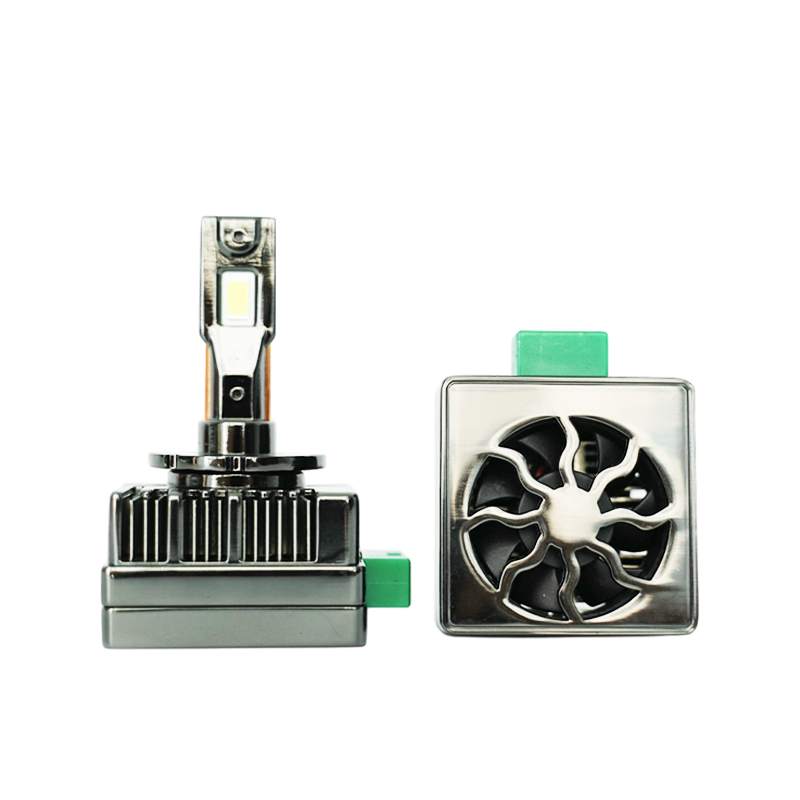
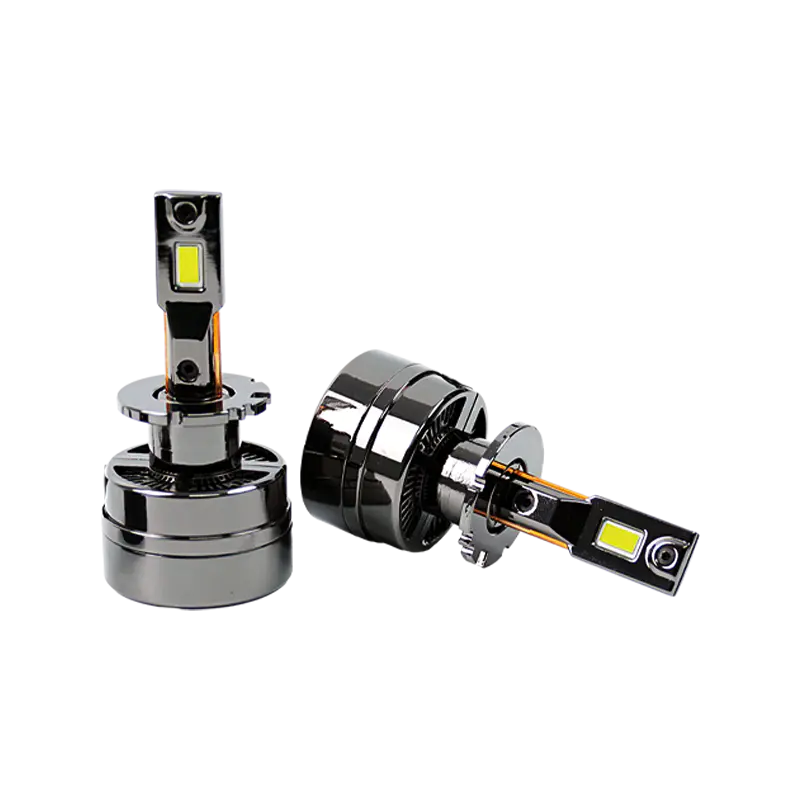
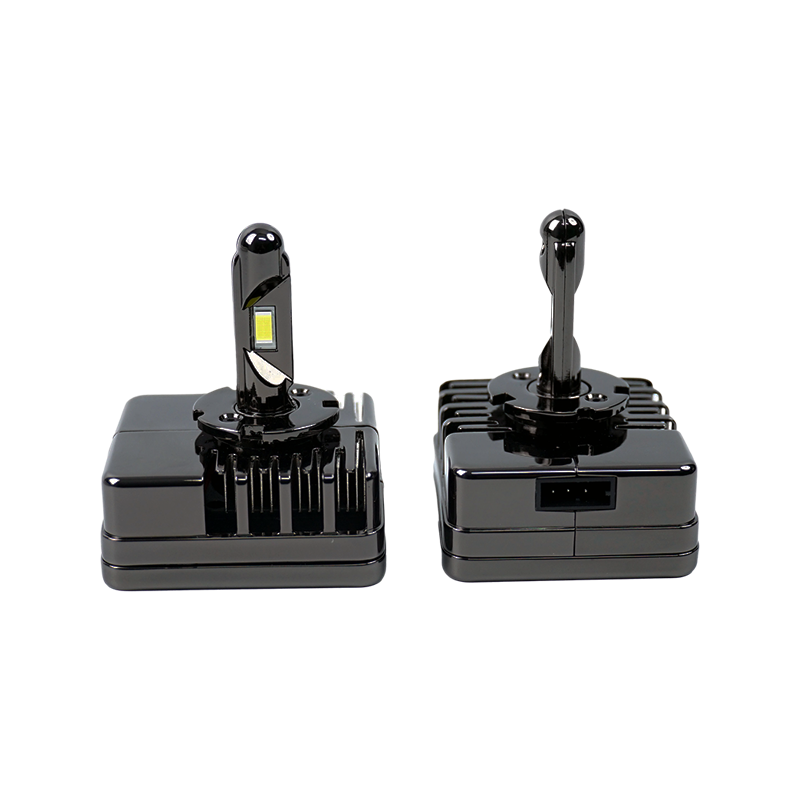
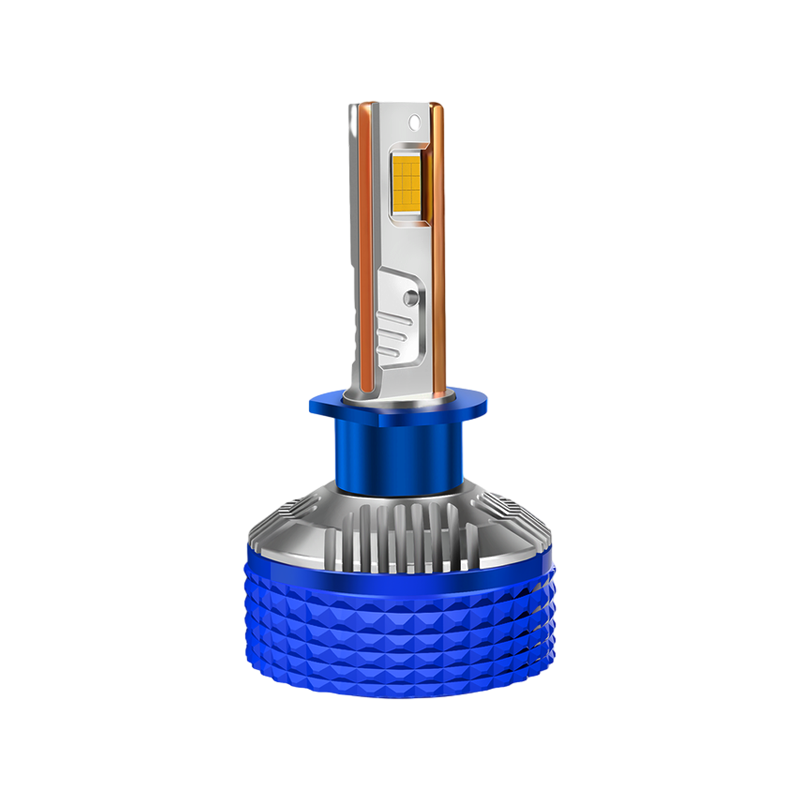
An aluminum profile LED headlight bulb is a type of automotive lighting that uses light-emitting diodes (LEDs) housed in an aluminum-based structure. Unlike halogen bulbs, which rely on a tungsten filament to generate light, LED bulbs produce light through a semiconductor process. The aluminum profile serves not only as a housing for the LEDs but also plays a crucial role in thermal management. Proper heat dissipation is one of the key factors contributing to the overall efficiency and longevity of these bulbs.
The shift from halogen to LED technology in vehicles is driven by several considerations: energy consumption, lifespan, light output, and safety. While halogen bulbs have been the standard for decades, they have inherent limitations in efficiency and heat management, making aluminum profile LED headlight bulb a preferred choice for modern automotive applications.
Energy efficiency advantages
One of the most notable advantages of aluminum profile LED headlight bulb over standard halogen bulbs is energy efficiency. Halogen bulbs convert a significant portion of electrical energy into heat rather than light. This inefficiency not only wastes power but also generates heat that can impact surrounding components in the headlight assembly.
LED technology, in contrast, converts a much higher proportion of energy directly into visible light. Aluminum profile LED headlight bulb achieves optimal energy conversion due to the combination of LED semiconductors and the aluminum housing, which enhances heat dissipation. The improved thermal management ensures the LEDs operate within a stable temperature range, reducing energy loss and maintaining consistent light output over time.
In practical terms, vehicles equipped with aluminum profile LED headlight bulb experience lower power draw, which can contribute to improved fuel efficiency in traditional engines and extended battery life in electric vehicles. This energy efficiency also allows for brighter illumination without increasing the electrical load, a significant advantage over halogen technology.
Heat management and aluminum profiles
Effective heat management is a critical factor in the efficiency of aluminum profile LED headlight bulb. LEDs are sensitive to temperature fluctuations, and excessive heat can shorten their lifespan and reduce luminous output. The aluminum profile acts as a heat sink, drawing heat away from the LED chips and dispersing it efficiently into the surrounding environment.
This thermal conductivity is a key differentiator from halogen bulbs. Halogens generate heat as a byproduct of their operation, which can damage nearby headlight components and reduce overall efficiency. In contrast, the aluminum profile in LED bulbs not only prolongs the bulb’s life but also maintains a stable light output over extended periods of use.
Moreover, the design of aluminum profiles allows manufacturers to create compact and durable bulb structures. This not only improves thermal management but also ensures the bulb fits within various headlight housings without requiring significant modifications to the vehicle.
Lifespan and durability
Another area where aluminum profile LED headlight bulb outperforms halogen bulbs is lifespan. Halogen bulbs generally last between 500 to 1,000 hours of operation. Their filament-based design makes them susceptible to breakage, vibration, and heat-related degradation. In comparison, LEDs are solid-state devices, making them far more resistant to shock and vibration.
The aluminum profile further enhances durability by protecting the internal components from environmental factors such as dust, moisture, and temperature extremes. The combination of LED technology and aluminum housing allows these bulbs to achieve lifespans exceeding 30,000 hours in many cases. This longevity significantly reduces maintenance and replacement costs, making LED bulbs a more cost-effective solution over time.
Light quality and performance
The efficiency of aluminum profile LED headlight bulb is also reflected in its superior light quality. Halogen bulbs typically produce a warm yellow light with limited visibility range and lower color rendering index (CRI). LED headlights, however, offer bright, white light that closely resembles natural daylight. This improves visibility for drivers, enhances road safety, and reduces eye strain during nighttime driving.
The aluminum profile plays a role in directing and focusing the light output. Many bulbs are designed with specific beam patterns to maximize illumination on the road while minimizing glare for oncoming traffic. This precision in light distribution not only improves driving safety but also contributes to energy efficiency, as more of the light produced is effectively used for illumination rather than being wasted.
Additionally, aluminum profile LED headlight bulb can maintain consistent brightness over time, unlike halogen bulbs, which gradually dim as the filament ages. The stable luminous output ensures reliable lighting performance throughout the life of the bulb.
Compatibility and installation
Modern aluminum profile LED headlight bulb designs are made to fit a wide range of vehicles with minimal modifications. The compact aluminum housing allows for easy installation in various headlight assemblies, making them accessible for both aftermarket upgrades and original equipment manufacturer (OEM) applications.
While halogen bulbs typically require replacement every few years, the longer lifespan of aluminum LED bulbs reduces the frequency of installation. Additionally, many models are designed with plug-and-play features, ensuring a seamless transition for users upgrading from halogen to LED technology. This ease of installation, combined with superior performance, makes these bulbs attractive to consumers seeking reliable and efficient lighting solutions.
Environmental and cost considerations
The efficiency of aluminum profile LED headlight bulb has broader implications beyond vehicle performance. Lower energy consumption translates to reduced fuel usage in combustion engine vehicles, which contributes to lower carbon emissions. In electric vehicles, more efficient headlights mean less strain on the battery, extending driving range and reducing the need for frequent charging.
Cost considerations also favor LED technology in the long term. Although the initial purchase price of aluminum profile LED headlight bulb is higher than halogen bulbs, the extended lifespan, reduced energy consumption, and lower maintenance requirements offset the initial investment. For fleet operators or vehicles with frequent nighttime usage, the total cost of ownership is significantly lower with LED headlights compared to halogen alternatives.
Technological innovations and trends
The development of aluminum profile LED headlight bulb has been accompanied by continuous technological innovations. Advances in LED chip efficiency, thermal management, and bulb design have resulted in higher lumen outputs and improved beam control. Manufacturers now focus on integrating features such as adaptive lighting, where the intensity and direction of the light can adjust according to driving conditions. The aluminum profile remains central to these advancements, providing both the structural integrity and heat dissipation required for high-performance applications.
Additionally, modern LED headlights often incorporate intelligent electronics that monitor temperature and adjust power delivery to maintain consistent brightness. This level of control is impossible with halogen technology, further highlighting the efficiency advantages of aluminum profile LED designs.
Table: Comparison between aluminum profile LED headlight bulb and standard halogen bulb
| Feature | Aluminum Profile LED Headlight Bulb | Standard Halogen Bulb |
|---|---|---|
| Energy efficiency | High, with low power consumption | Low, converts much energy to heat |
| Lifespan | 20,000–50,000 hours | 500–1,000 hours |
| Light quality | Bright white light, high CRI | Yellowish light, lower CRI |
| Heat management | Excellent, aluminum profile dissipates heat | Poor, high heat generation |
| Durability | Shock and vibration resistant | Fragile filament, prone to breakage |
| Maintenance | Minimal replacement required | Frequent replacement needed |
| Environmental impact | Lower energy usage, less carbon footprint | Higher energy consumption, more waste |
Buyer considerations for aluminum profile LED headlight bulb
When selecting an aluminum profile LED headlight bulb, buyers should consider several factors. The bulb’s compatibility with their vehicle model, desired brightness, beam pattern, and installation requirements are critical. It is also essential to evaluate the thermal management design to ensure longevity and performance. Choosing high-quality materials, particularly the aluminum housing, can significantly impact the bulb’s efficiency and durability.
Additionally, potential buyers should review any certifications or compliance standards that guarantee performance and safety. While halogen bulbs have long been the standard, aluminum profile LED headlight bulb represents a more advanced, energy-efficient alternative that aligns with modern automotive requirements.
Conclusion
The aluminum profile LED headlight bulb represents a significant advancement in automotive lighting technology. Its efficiency over standard halogen bulbs arises from superior energy conversion, effective heat management, enhanced lifespan, and improved light quality. The aluminum profile is central to these benefits, providing both structural support and thermal regulation that maximizes performance.
For drivers seeking brighter, longer-lasting, and energy-efficient lighting solutions, aluminum profile LED headlight bulb offers clear advantages over traditional halogen bulbs. By combining innovative design with practical performance benefits, these bulbs are shaping the future of automotive lighting and setting new standards for efficiency and reliability.