

 English
 Español
 عربى
عربى русский
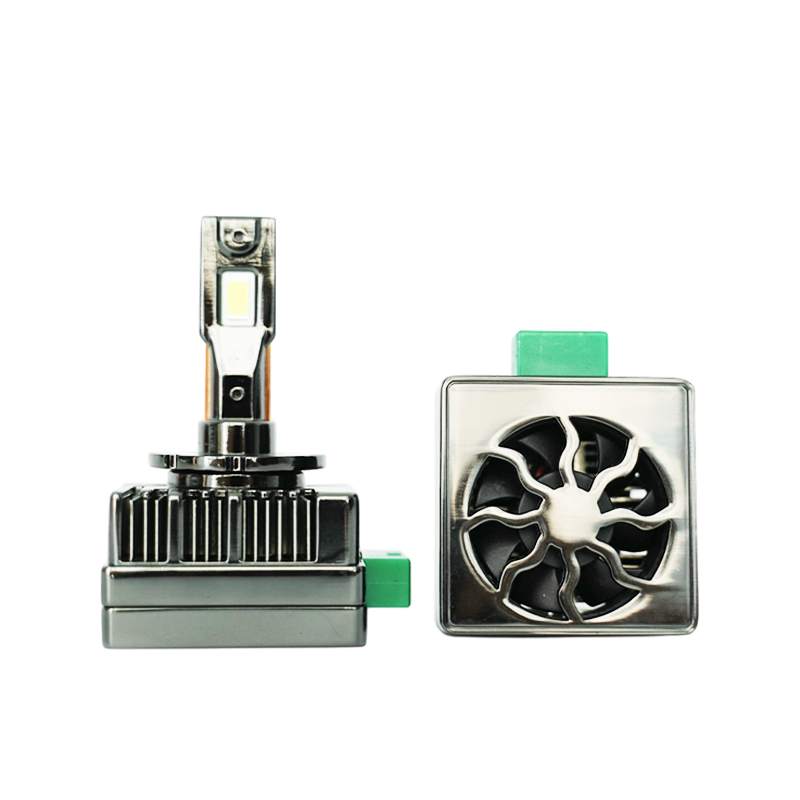
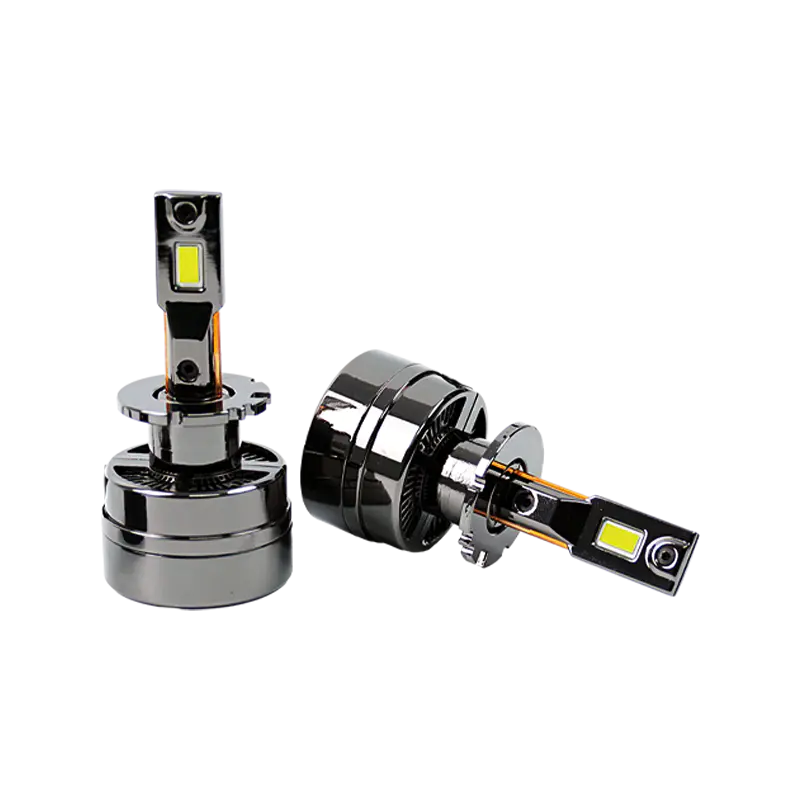
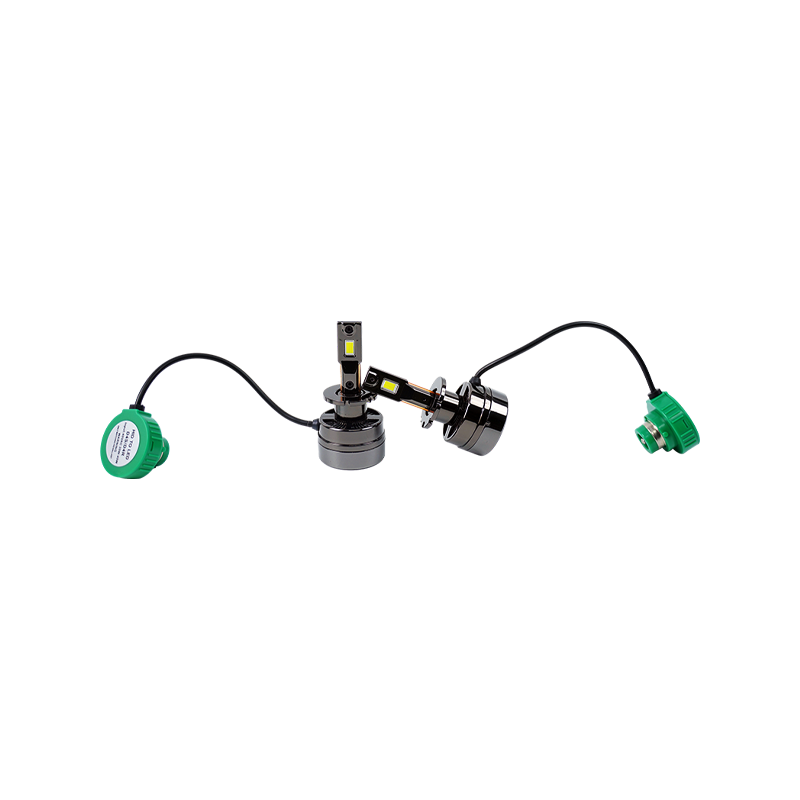
Upgrading forward lighting systems from halogen filaments to solid-state light-emitting diodes represents a significant improvement in automotive night visibility. Modern retrofits produce a bright white light that closely mimics natural daylight, significantly reducing driver eye fatigue and expanding peripheral illumination. However, simply installing a new led headlight bulb is only half the process. Because the physical structure, light source orientation, and lumen output of modern diodes differ fundamentally from tungsten filaments, post-installation calibration is required to maintain safety and compliance.
Uncalibrated directional light sources regularly cause blinding glare for oncoming traffic while simultaneously reducing the driver forward viewing distance. This comprehensive technical guide outlines the precise physical variables, alignment procedures, and mechanical adjustments required to properly align modern forward optical systems after completing a solid-state conversion.
Optical Dynamics of Solid-State Lighting Conversions
To understand why a meticulous led headlight bulb calibration is necessary, one must examine how automotive optical assemblies function. Standard factory housings are engineered around a highly precise, omnidirectional point source of light: the halogen filament. The reflectors and lenses within the housing catch this 360-degree light distribution and project it down the roadway in a tightly controlled pattern.
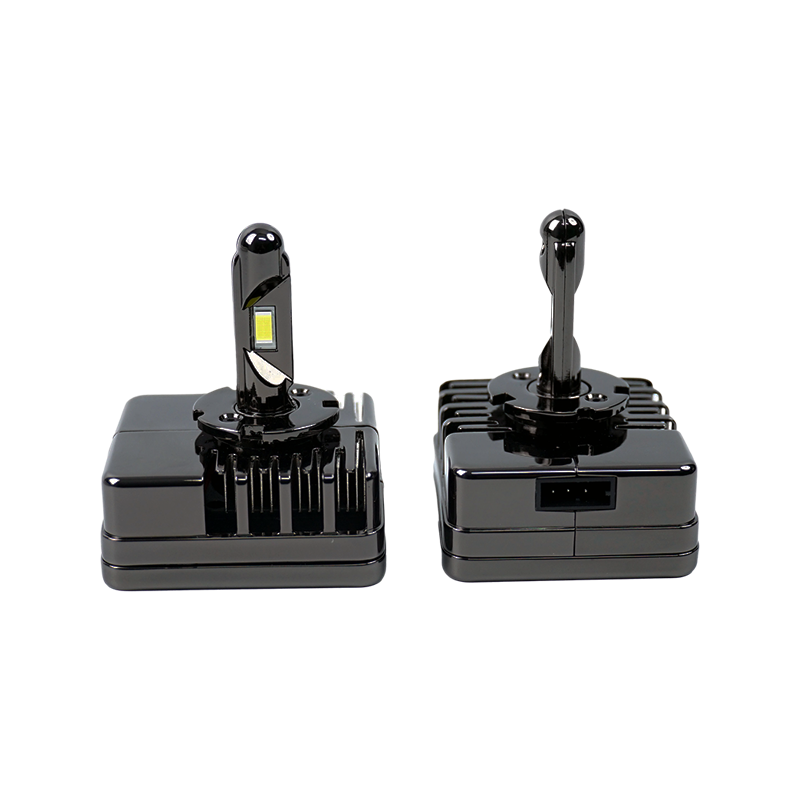
Solid-state upgrades operate differently. Diodes are inherently directional, mounted on opposite sides of a central circuit board. This design introduces a physical barrier that alters how light strikes the internal reflective surfaces. If the orientation or position of the diodes deviates even a fraction of a millimeter from the original filament location, the focal point shifts. This structural shift alters the beam pattern, often resulting in scattered light, dark spots, or an unsafely elevated cut-off line.
Additionally, the light temperature scale plays a major role in visual perception. Halogen bulbs typically operate around 3000K, emitting a warm, yellowish light. Modern solid-state upgrades usually sit between 5500K and 6500K, producing a bright white light that matches midday sun. While this cooler spectrum improves reflective contrast on road markers and signs, it also creates high-contrast shadows. If your alignment is slightly off, the crisp boundary line accentuates the misalignment, blinding oncoming traffic or leaving key areas of the road in darkness.
Pre-Alignment Checklist and Environmental Setup
Before modifying any mechanical positioning screws, you must eliminate any structural and external variables that could artificially alter the chassis riding height or angle. Aligning an improperly prepared vehicle will compromise the calibration accuracy once the car is driven under real-world conditions.
Measure and inflate all four tires to the exact manufacturer specifications indicated on the driver-side door jamb placard. Unequal tire pressure directly skews the horizontal plane of the beam pattern.
Ensure the vehicle fuel tank is filled to at least three-quarters capacity. Remove all heavy cargo from the trunk or rear storage compartments to mimic typical operating conditions and prevent rear sagging.
Verify that the vehicle suspension components are settled and undamaged. Jounce each corner of the vehicle firmly several times to stabilize the shocks and springs into their neutral positions.
Selecting and Preparing the Calibration Zone
Find a flat, level surface that sits perpendicular to a vertical wall. A level garage floor or a flat parking lot facing a smooth structure works best. The vehicle requires at least 30 feet of flat space: 25 feet for the exact distance between the lens housing and the wall, plus the length of the vehicle chassis itself. Ensure there is no slope, as a grade variance of even one percent will throw off the cut-off geometry over a 25-foot distance.
Step-by-Step Measurement and Geometric Marking Procedure
To perform an accurate led headlight bulb alignment, you must translate the physical position of the car light housings onto the vertical testing wall. This process creates a geometric reference grid for adjusting the beam height and spread.
- Position the Chassis: Position the car straight ahead until the front bumper is nearly touching the vertical target wall. Ensure the body is oriented exactly 90 degrees relative to the wall surface.
- Mark the Center Axes: Locate the tiny alignment dot or crosshairs molded directly into the front glass or polycarbonate lens of each forward light housing. Using a low-tack painter tape, apply a small vertical strip on the wall aligned with the center axis of the vehicle, followed by two vertical lines corresponding to the exact center points of the left and right optical housings.
- Measure Vertical Height: Use a tape measure to determine the distance from the level ground up to the center marker on the lens. Transfer this exact height measurement directly onto the wall, crossing the left and right vertical tape lines to form two precise intersection targets.
- Establish the Cut-Off Reference Line: Apply a continuous horizontal strip of tape across the wall that sits exactly 2 inches below the measured center intersection points. This line serves as the maximum vertical limit for the low-beam pattern over a 25-foot distance.
- Set the Test Distance: Shift the vehicle into reverse and back away in a straight line until the forward lenses sit exactly 25 feet from the marking wall. Verify this distance on both sides to confirm the car remains perfectly square to the wall surface.
This layout accommodates the standard geometric drop specified by international regulations. Lowering the beam pattern by 2 inches at a 25-foot distance prevents the concentrated light from striking the rearview mirrors of forward vehicles or the windshields of oncoming traffic, maximizing your down-road illumination without causing glare.
How to Adjust Headlights: Executing Mechanical Calibration
With the grid marked and the vehicle positioned, you can now calibrate the beam pattern. Open the engine hood to locate the mechanical adjuster elements on the back or top of each optical housing assembly. These adjusters are typically recessed socket screws that accept a Philips screwdriver, a metric hex key, or a standard star wrench.
Most modern passenger vehicles feature two separate adjusting screws per assembly: one for vertical elevation and one for horizontal deviation. On older platforms, such as when aiming 2001 sienna headlights, these adjustments use spring-loaded hex bolts positioned along the perimeter of the housing frame. Turn on the low-beam lights to begin calibration. It helps to cover one side with a dark cloth so you can focus on adjusting a single beam pattern at a time without visual interference.
| Adjustment Axis | Mechanical Mechanism | Target Alignment Endpoint |
|---|---|---|
| Vertical Alignment | Top / Bottom Adjuster Screw | The bright upper edge of the beam must align exactly with the lower horizontal tape line. |
| Horizontal Alignment | Left / Right Adjuster Screw | The high-intensity hot spot must center slightly to the right of the vertical axis marker. |
Executing the Calibration Process
Insert your adjustment tool into the vertical adjustment mechanism. Slowly rotate the tool clockwise or counterclockwise while watching the light shifting on the wall. Adjust the housing until the crisp upper edge of the light pattern aligns exactly on top of the lower horizontal reference tape line. This step completes the vertical calibration.
Next, move to the horizontal adjustment mechanism. Rotate the screw until the brightest, most concentrated zone of the light beam positions itself just to the right of the vertical line marker. Standard optical assemblies are engineered with a distinct step or slope along the upper edge of the beam. This asymmetric pattern keeps the left side lower to protect oncoming drivers, while allowing the right side to project higher and wider to illuminate road signs, pedestrian pathways, and potential hazards along the shoulder.
Troubleshooting Pattern Distortions and Diode Orientation
If you complete the mechanical adjustments but your beam pattern still looks like a scattered blur without a distinct cut-off line, the issue is likely the position of the diode chip within the housing itself rather than the mounting angle. Many premium adjustable headlight upgrades feature an integrated, adjustable collar lock system that lets you rotate the bulb base independently of the mounting tabs.
For standard dual-emitter upgrades, the central circuit board must sit perfectly vertical in its final locked position, with the diode faces pointing directly toward the 3 o'clock and 9 o'clock positions. If the assembly locks in at an angle, the light will strike the top and bottom reflectors incorrectly, resulting in an unmanageable glare pattern that mechanical adjustment screws cannot fix.
Technical Diagnostic Instruction: If you see a dark spot in the center of your path or a strange split beam pattern, remove the bulb from the socket and check the collar index position. Loosen the small hex locking screw on the collar, turn the bulb body until the diodes sit perfectly flat horizontally when locked into the socket, and then tighten the locking screw.
Additionally, check that the light emitting diodes face the correct direction if the bulb design is asymmetrical. The shield components or specialized base elements on certain upgrade styles must face upward to mimic standard low-beam filaments. Incorrect installation causes light to scatter backward and upward, blinding oncoming drivers regardless of how low you adjust the physical housing.
Real-World Road Testing and Validation
After completing your wall-based geometric alignment, you should perform a real-world road test to confirm the settings work well under actual driving conditions. Find a dark, straight, two-lane secondary road to evaluate how the new lights perform across various distances.
While driving on a level surface, verify that the upper cut-off boundary sits below the window line and trunk lids of standard forward passenger sedans. This confirms your low beams will not cause glare in their rearview mirrors. The roadside illumination should clearly light up signs, markers, and potential obstacles on the right shoulder from at least 150 to 200 feet away, while the left side should drop off cleanly before crossing into the oncoming lane traffic path.
If you notice the beam pattern bouncing or vibrating when driving over small bumps, the housing assembly might not be secure, or the internal adjuster springs may be worn or unseated. Re-examine the mechanical mounting bolts and ensure the adjustment screws are under steady tension to prevent the light pattern from shifting over time.
Frequently Asked Questions
Q1: Why does my beam pattern look scattered or blurry after completing an upgrade?
Scattered light patterns usually happen when the light emitting diode alignment inside the housing is incorrect. Check that the internal circuit board is perfectly vertical, with the diodes facing directly toward the 3 o'clock and 9 o'clock positions. If the bulb sits at an angle, it misaligns with the reflector focal point, causing scattered light that mechanical adjustments cannot fix.
Q2: How far back should I park my vehicle from the wall when performing a headlight adjustment?
The standard technical distance for domestic and international automotive maintenance is exactly 25 feet (or 7.62 meters) from the front face of the light lenses to the vertical wall surface. This distance provides enough space for the light beam to project its natural pattern, making it easy to accurately measure the geometric drop and horizontal positioning.
Q3: Can I calibrate high beams using the same horizontal and vertical tape lines?
High beams are engineered to project light straight ahead for maximum distance, so they do not feature the sharp cut-off line found on low beams. On most combined dual-filament single-bulb systems, aligning the low beams automatically calibrates the high beams. For vehicles with separate dedicated high-beam housings, the hot spot should center directly on the primary intersection targets rather than dropping 2 inches below them.
Q4: What should I do if my mechanical adjustment screws are seized or refuse to turn?
Since adjustment hardware sits behind the front grille, it is frequently exposed to moisture and road debris, leading to corrosion over time. Spray the adjuster threads with a high-quality penetrating oil and let it sit for several hours before trying again. Apply gentle pressure when turning to avoid stripping the plastic gear teeth or snapping the small pot-metal linkages inside the housing assembly.
Q5: Is a professional mechanical alignment system required to meet legal road safety standards?
A manual wall alignment using the 25-foot geometric method provides excellent accuracy when done carefully on a level surface. While commercial optical alignment machines offer quicker setup times for high-volume service centers, a careful manual calibration delivers an identical beam pattern profile that keeps your vehicle completely safe and road-legal.