

 English
 Español
 عربى
عربى русский
Understanding Light Cup Bifocal Lens Technology
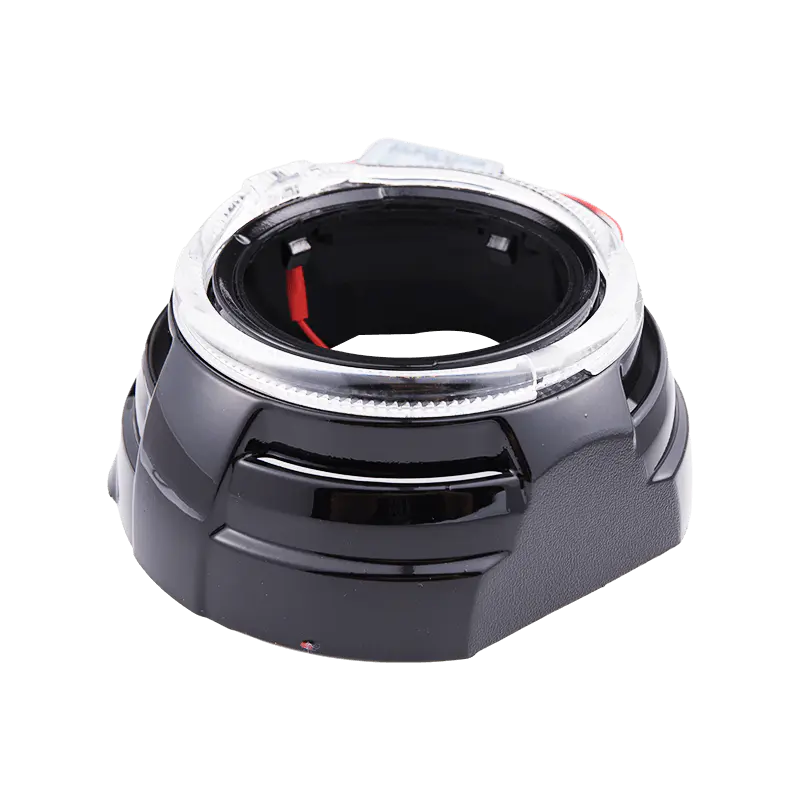
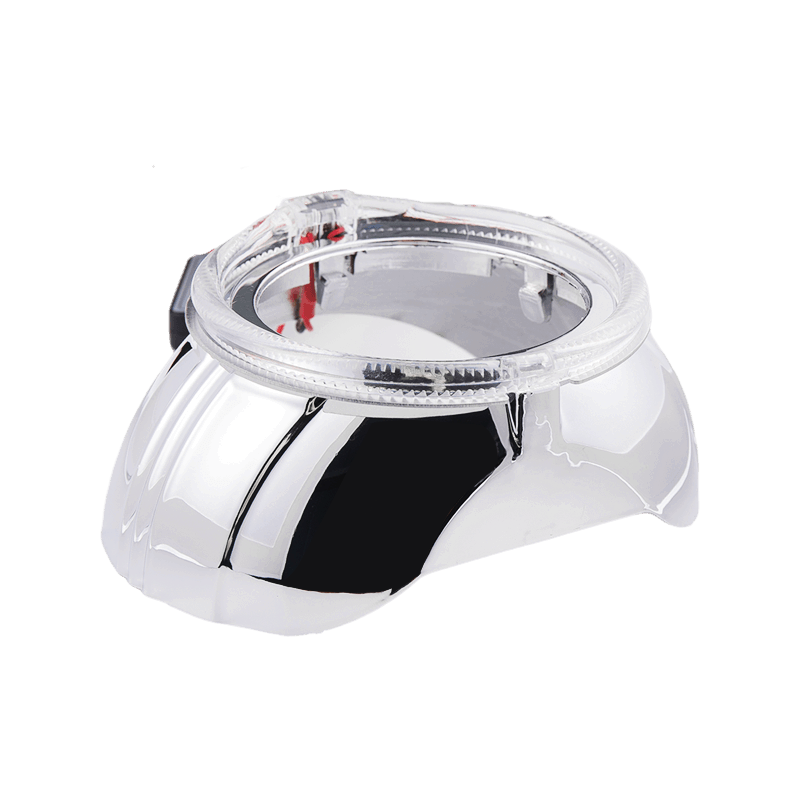
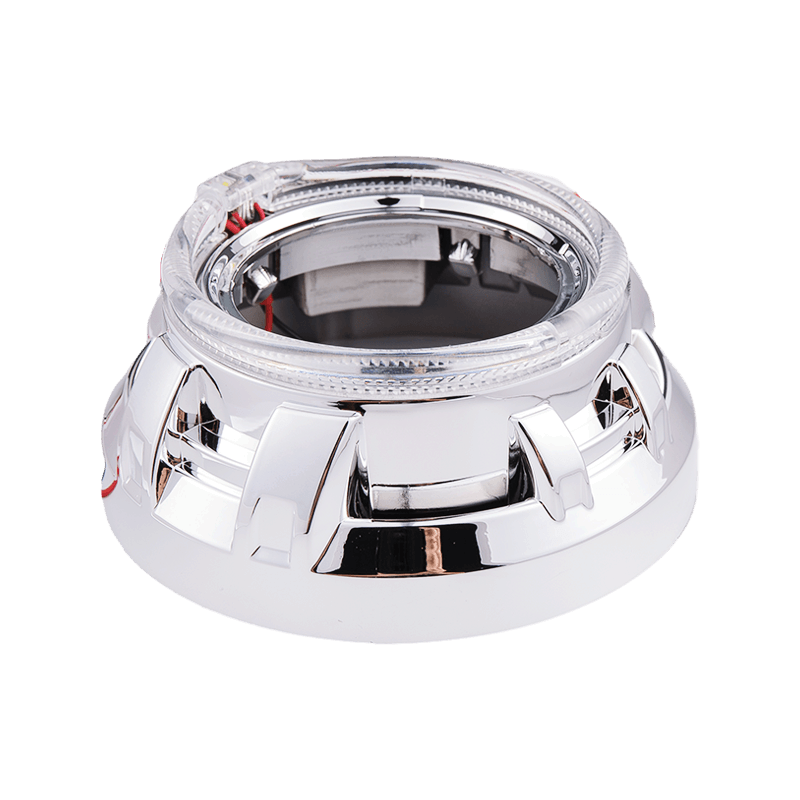
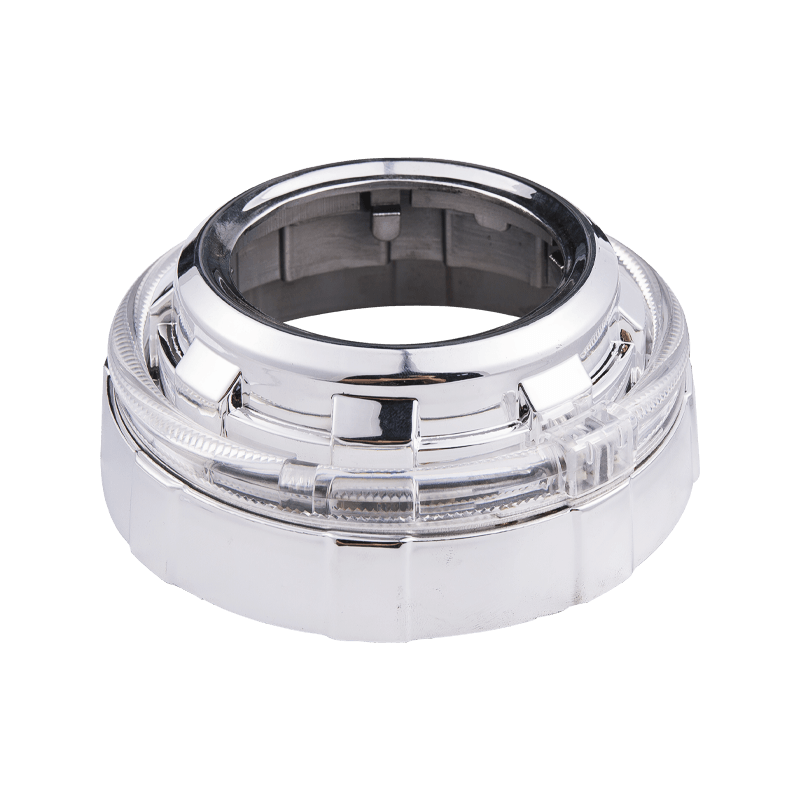
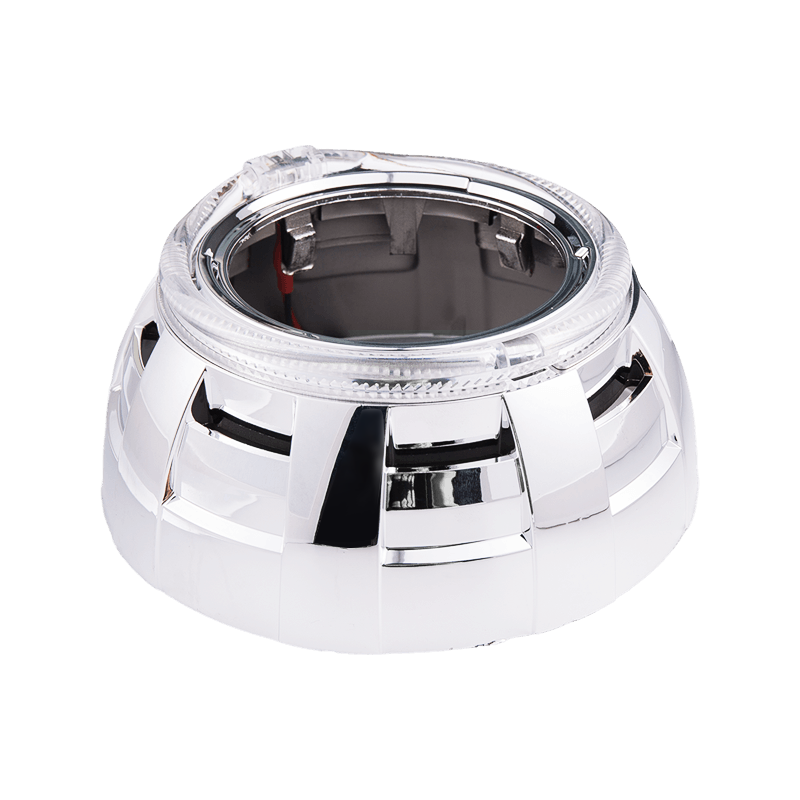
The Light Cup Bifocal Lens represents a significant advancement in automotive lighting technology. Unlike conventional lighting systems, this innovative design integrates dual optical elements within a single compact housing. The technology utilizes precision-engineered light cups that work in conjunction with bifocal lens elements to create superior beam patterns for both high and low beam applications.
A standard reflector housing relies on mirrored surfaces to bounce light outward, which often results in scattered illumination and reduced efficiency. In contrast, the Light Cup Bifocal Lens system employs direct light projection through carefully calculated optical curves. This fundamental difference in light management produces measurably better results in real-world driving conditions.
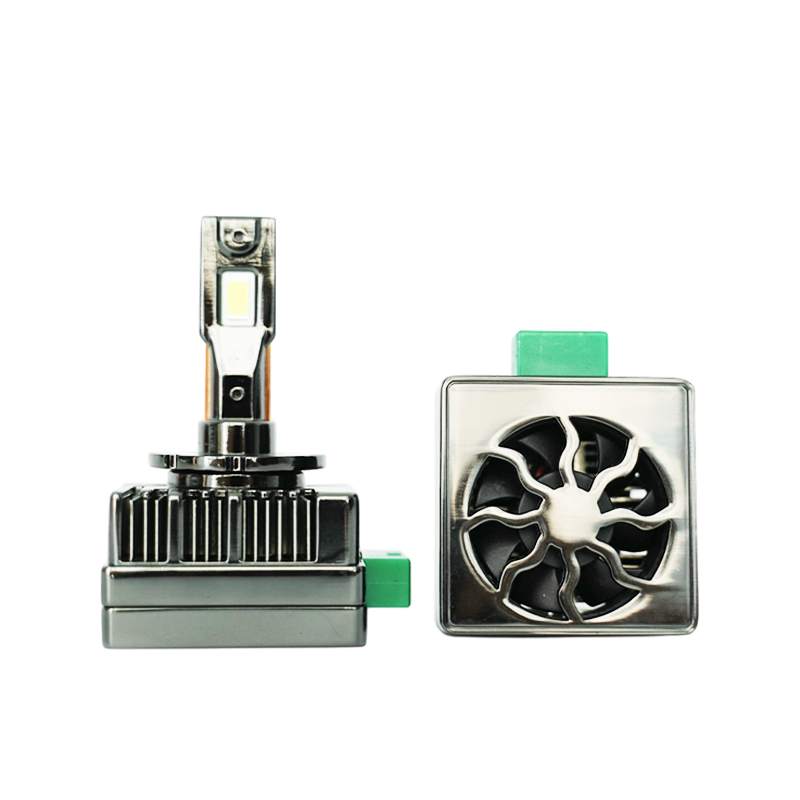
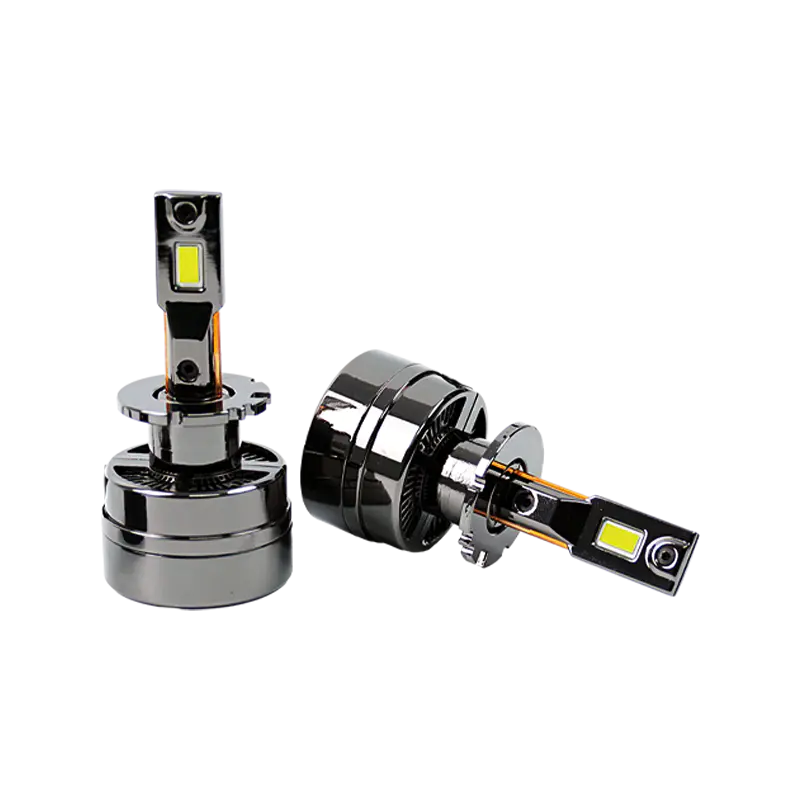
The integration of waterproof LED headlight bulb technology with Light Cup Bifocal Lens housings creates a robust lighting solution. Modern LED chips produce up to 12,000 lumens per pair while consuming only 60-100 watts, compared to traditional halogen systems that typically generate 1,000-1,500 lumens at 55-65 watts per bulb.
Superior Beam Pattern Control and Light Distribution
Precision Cutoff Lines Eliminate Glare
One of the most critical advantages of Light Cup Bifocal Lens systems is their ability to produce sharp, well-defined cutoff lines. Standard reflector housings often struggle with light scatter, causing unwanted glare that can blind oncoming drivers. The bifocal lens design creates a distinct boundary between illuminated and non-illuminated areas, ensuring that light is directed precisely where needed without encroaching into opposing traffic lanes.
Testing data demonstrates that Light Cup Bifocal Lens assemblies achieve up to 40% better beam focus compared to standard reflector designs. This precision translates directly into safer night driving experiences, as the improved control reduces eye strain for both the driver and other road users.
Enhanced Range and Width Coverage
The optical engineering behind Light Cup Bifocal Lens technology enables superior light throw distance and lateral coverage. While standard reflectors typically project light in a relatively narrow cone, bifocal lens systems can achieve illumination distances exceeding 1,200 feet downroad while simultaneously providing 30% wider side coverage for improved peripheral visibility.
This dual capability is particularly valuable for drivers navigating rural roads or highways where early detection of obstacles, wildlife, or road signs can prevent accidents. The wider beam pattern also improves visibility in urban environments, helping drivers spot pedestrians and cyclists at intersections.
Optical Efficiency and Energy Utilization
Maximized Lumen Output
Standard reflector housings suffer from significant light loss due to multiple reflection points and imperfect mirror surfaces. Industry estimates suggest that traditional reflector systems may lose 15-25% of available light output through absorption and misdirection. Light Cup Bifocal Lens designs minimize these losses by utilizing direct projection optics that capture and direct a higher percentage of generated lumens toward the target area.
When paired with high-performance LED chips producing 8,000 to 16,000 lumens per pair, Light Cup Bifocal Lens systems deliver substantially more usable light on the road than equivalent LED installations in standard reflector housings. This efficiency gain means drivers experience brighter, more consistent illumination without increasing power consumption.
Color Temperature Consistency
The optical clarity of bifocal lens materials ensures that the color temperature of LED light remains consistent across the entire beam pattern. Standard reflectors can create color fringing or hotspots where the light appears warmer or cooler in different zones. Light Cup Bifocal Lens systems maintain uniform 6500K cool white output throughout the illuminated area, reducing eye fatigue and improving object recognition.
Durability and Environmental Resistance
IP67 and IP68 Waterproof Ratings
Modern Light Cup Bifocal Lens assemblies designed for waterproof LED headlight bulb applications achieve superior environmental protection ratings. Quality units typically carry IP67 or IP68 certifications, indicating complete dust protection and the ability to withstand water immersion up to 1 meter depth for extended periods.
Standard reflector housings often rely on multiple seams and gasket points that can degrade over time, allowing moisture ingress that corrodes reflective surfaces and reduces output. The sealed nature of bifocal lens assemblies provides better long-term protection against rain, snow, road spray, and high-pressure washing.
Thermal Management Advantages
Heat dissipation represents a critical factor in LED longevity. Light Cup Bifocal Lens housings are typically constructed from aviation-grade aluminum 6063 with integrated cooling fins and high-speed fans operating at 7,000 to 10,000 RPM. This thermal design maintains LED chip temperatures below 80°C even under continuous operation, contributing to lifespans exceeding 50,000 hours.
Standard reflector housings often lack optimized thermal pathways, leading to heat buildup that can degrade LED performance and shorten operational life. The advanced materials and engineering in bifocal lens systems ensure consistent output over years of service.
Installation Compatibility and Versatility
Plug and Play Integration
Contemporary Light Cup Bifocal Lens kits feature all-in-one designs that maintain the same form factor as original halogen bulbs. Non-polarity connections and compact driver integration allow installation within 10-15 minutes without vehicle modification. The miniaturized lens assemblies fit standard headlight housings designed for H4, H7, H11, 9005, 9006, and 9012 bulb types.
Standard reflector upgrades often require bulb adapters or housing modifications to achieve proper beam alignment. The engineered precision of bifocal lens systems eliminates these complications, providing correct focal length and beam pattern immediately upon installation.
Dual Beam Functionality
The bifocal design inherently supports both high and low beam operation through a single optical element. A mechanical shutter or solenoid mechanism within the lens assembly switches between beam patterns instantly, providing full brightness activation with no warm-up time. This contrasts with standard reflector systems that may require separate bulbs or less efficient beam switching mechanisms.
Performance Comparison: Key Metrics
| Performance Metric | Light Cup Bifocal Lens | Standard Reflector Housing |
| Lumen Output (per pair) | 12,000 - 21,600 LM | 6,000 - 10,000 LM |
| Beam Focus Efficiency | 85-90% | 60-75% |
| Illumination Distance | 1,200+ feet | 600-800 feet |
| Waterproof Rating | IP67/IP68 | IP54-IP65 |
| Operational Lifespan | 50,000 hours | 20,000-30,000 hours |
| Glare Control | Excellent cutoff | Moderate scatter |
The data clearly illustrates the performance advantages across all critical metrics. Light Cup Bifocal Lens systems deliver twice the usable lumen output and 50% greater illumination distance while maintaining superior environmental protection and longevity.
Real World Driving Benefits
Improved Night Vision Safety
The combination of high lumen output, precise beam control, and extended range significantly improves driver reaction times. Studies indicate that increasing headlight range from 800 feet to 1,200 feet provides approximately 1.5 seconds of additional reaction time at highway speeds. This margin can mean the difference between safe stopping and collision.
All Weather Performance
Light Cup Bifocal Lens systems with integrated waterproof LED headlight bulb technology maintain consistent performance across temperature ranges from -40°C to +105°C. The sealed optical chambers prevent fogging and condensation that can plague standard reflector housings during rapid temperature changes or humid conditions.
Reduced Eye Strain
The uniform light distribution and consistent color temperature produced by bifocal lens systems reduce the pupil dilation and contraction cycles that cause driver fatigue. The sharp cutoff line also minimizes reflections from road signs and markers that can create distracting glare during extended night drives.
Long Term Value and Cost Considerations
While Light Cup Bifocal Lens systems may represent a higher initial investment than standard reflector upgrades, the extended operational lifespan and reduced maintenance requirements provide compelling long-term value. A quality bifocal lens LED system operating for 50,000 hours effectively costs less per hour of use than systems requiring replacement at 20,000-30,000 hours.
Additionally, the energy efficiency of LED technology combined with optimized optical output reduces electrical system load. Operating at 60-100 watts per pair versus 110-130 watts for equivalent halogen systems, these assemblies place less strain on alternators and batteries while delivering superior illumination.
Frequently Asked Questions
Q1: What makes a Light Cup Bifocal Lens different from a projector lens?
Light Cup Bifocal Lens systems integrate dual optical functions within a compact housing, combining light collection cups with bifocal projection elements. While projector lenses focus primarily on beam projection, Light Cup Bifocal designs optimize both light capture and distribution, resulting in higher efficiency and better beam pattern control.
Q2: Can I install a Light Cup Bifocal Lens system in any vehicle?
Most modern vehicles with standard bulb sockets can accommodate Light Cup Bifocal Lens LED upgrades. Compatibility depends on your existing bulb type. Common fitments include H4, H7, H11, 9005, 9006, and 9012 applications. Always verify your vehicle's bulb size before purchasing.
Q3: How does waterproof rating affect headlight performance?
IP67 and IP68 ratings ensure that your headlights continue functioning in heavy rain, snow, or during high-pressure washing. These ratings prevent moisture ingress that could damage LED components or corrode internal connections, maintaining consistent light output and extending system lifespan.
Q4: Will upgrading to a Light Cup Bifocal Lens system cause error codes on my dashboard?
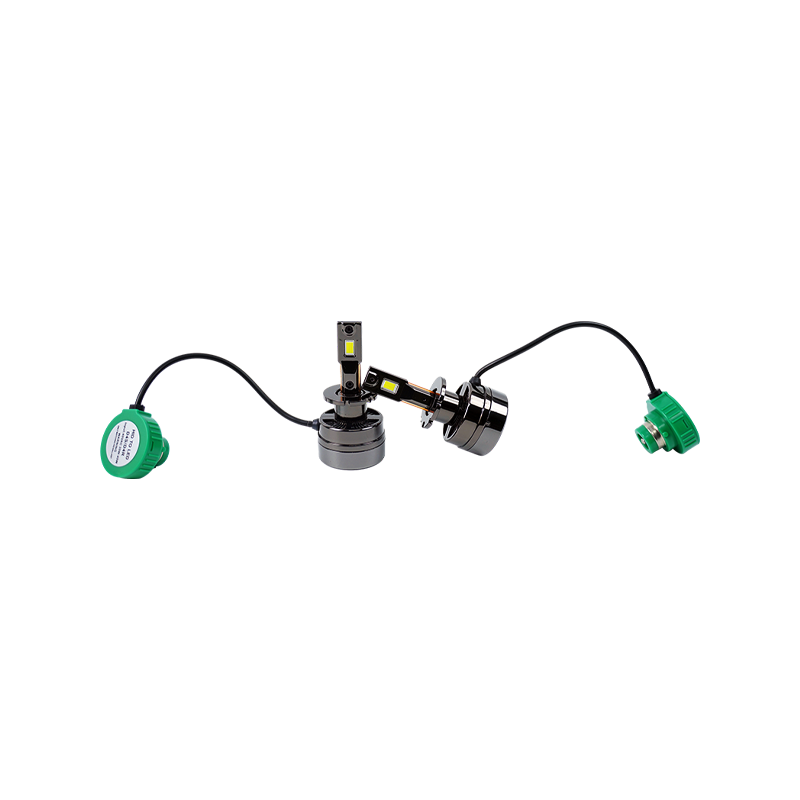
Quality Light Cup Bifocal Lens LED systems include CAN bus decoders that communicate properly with modern vehicle computer systems. These decoders prevent error messages and flickering that can occur with incompatible LED installations. Look for systems rated as CAN bus ready for 98% of vehicles.
Q5: How do I maintain my Light Cup Bifocal Lens headlights?
Maintenance requirements are minimal due to the sealed design. Regular cleaning of the exterior lens surface with mild soap and water maintains optimal light transmission. The integrated cooling fans are self-contained and require no servicing. Avoid using high-pressure water directly on the housing seams during vehicle washing.
Q6: What color temperature is best for night driving?
Most drivers find 6500K cool white provides the best balance of visibility and comfort. This temperature mimics daylight and enhances contrast for better object recognition. Some systems offer optional color temperatures ranging from 3000K warm white to 6500K cool white to suit different driving preferences and weather conditions.