

 English
 Español
 عربى
عربى русский
LED strips need aluminium profiles primarily for heat dissipation, physical protection, and light diffusion. Without a proper aluminium channel, LED strips can overheat, reducing their lifespan from a potential 50,000 hours to as little as 10,000–20,000 hours. The aluminium profile acts as a heatsink, structural housing, and aesthetic frame — all in one.
What Is an Aluminium Profile for LED Strips?
An aluminium profile (also called an LED channel or LED extrusion) is a pre-formed housing made from anodized or extruded aluminium designed to hold an LED strip light. It typically consists of three components:
- The aluminium channel body (U-shaped, surface-mount, or recessed)
- A diffuser cover (frosted, clear, or opal PC/PMMA lens)
- End caps for a finished, sealed appearance
These profiles come in various shapes — including surface-mounted, recessed, corner, and suspended — to match different installation environments such as cabinetry, ceilings, stairs, and display cases.
The Core Reason: Heat Management
Heat is the number one enemy of LED performance. LED strips generate heat at their solder points and chip junctions. Without a conductive surface to absorb and spread that heat, the junction temperature rises rapidly.
What happens without heat dissipation?
- LED lumen output (brightness) drops — a phenomenon called lumen depreciation
- Color temperature shifts, causing inconsistent white or colored light
- Lifespan shortens significantly — for every 10°C rise above rated junction temperature, LED lifespan can be cut in half
- In worst cases, adhesive backing on the strip melts or the PCB warps
Aluminium has a thermal conductivity of approximately 150–200 W/m·K, making it highly effective at pulling heat away from the LED strip and dissipating it into the surrounding air. Even a basic 1mm-thick aluminium channel can reduce operating temperature by 10–15°C compared to mounting the strip directly on wood, drywall, or plastic.
Five Key Functions of Aluminium Profiles
| Function | Benefit | Impact |
|---|---|---|
| Heat Dissipation | Conducts heat away from LEDs | Extends lifespan up to 50,000 hours |
| Physical Protection | Shields strip from impact and dust | Prevents damage in high-traffic areas |
| Light Diffusion | Frosted cover spreads light evenly | Eliminates visible LED hotspots |
| Aesthetic Finish | Clean, professional housing | Suitable for visible installations |
| Moisture Resistance | Sealed profiles add IP protection | Enables outdoor or wet-area use |
Light Quality: Eliminating Hotspots with Diffuser Covers
One of the most visible benefits of using an aluminium profile is the improvement in light quality. Bare LED strips show individual light points — often called "dotting" or "hotspots" — which looks unprofessional in architectural or interior lighting.
The diffuser cover on an aluminium profile scatters the light across its surface, creating a uniform, continuous glow. For example:
- Frosted/Opal diffusers provide maximum diffusion, ideal for under-cabinet or cove lighting
- Clear covers preserve brightness with minimal scatter — suitable for accent or task lighting
- Milky white covers offer a balance between diffusion and light output
In hospitality or retail environments, this difference is critical. Uniform light output improves perceived quality and professionalism of the overall installation.
Aluminium Profile Types and Where to Use Them
Surface-Mounted Profiles
These sit on top of any flat surface and are the most common type. They're used for under-shelf lighting, display cases, and furniture. Installation requires only screws or adhesive tape.
Recessed Profiles
Designed to sit flush within a routed slot in wood, plaster, or drywall. The result is a seamless, built-in lighting effect with no visible housing. Ideal for ceiling slots, stair nosing, and floor-level lighting.
Corner Profiles
These are angled at 45° or 90° and are used to mount LED strips in corners — along wall-ceiling junctions or inside cabinet corners. They maximize light spread in two directions simultaneously.
Suspended / Pendant Profiles
Longer aluminium channels suspended from ceilings using wire kits. Used to create linear pendant fixtures for offices, kitchens, or commercial spaces. Some are designed for dual-sided light output (top and bottom emission).
Aluminium Profile vs. No Profile: A Direct Comparison
| Factor | With Aluminium Profile | Without Aluminium Profile |
|---|---|---|
| Thermal Management | Effective heat sink, lower junction temp | Heat trapped, faster degradation |
| Light Appearance | Smooth, uniform glow | Visible dots, uneven hotspots |
| Physical Durability | Protected from impact, dust, moisture | Exposed strip, easy to damage |
| Lifespan | Up to 50,000 hours | Often 15,000–25,000 hours |
| Aesthetics | Professional, finished look | Visible tape backing, casual look |
| Installation Ease | Slightly more complex | Simple peel-and-stick |
Connection to Automotive LED Lighting Principles
The same thermal management principles that make aluminium profiles essential for LED strips apply to automotive LED lighting. In vehicle headlight systems, heat control is equally critical for longevity and performance.
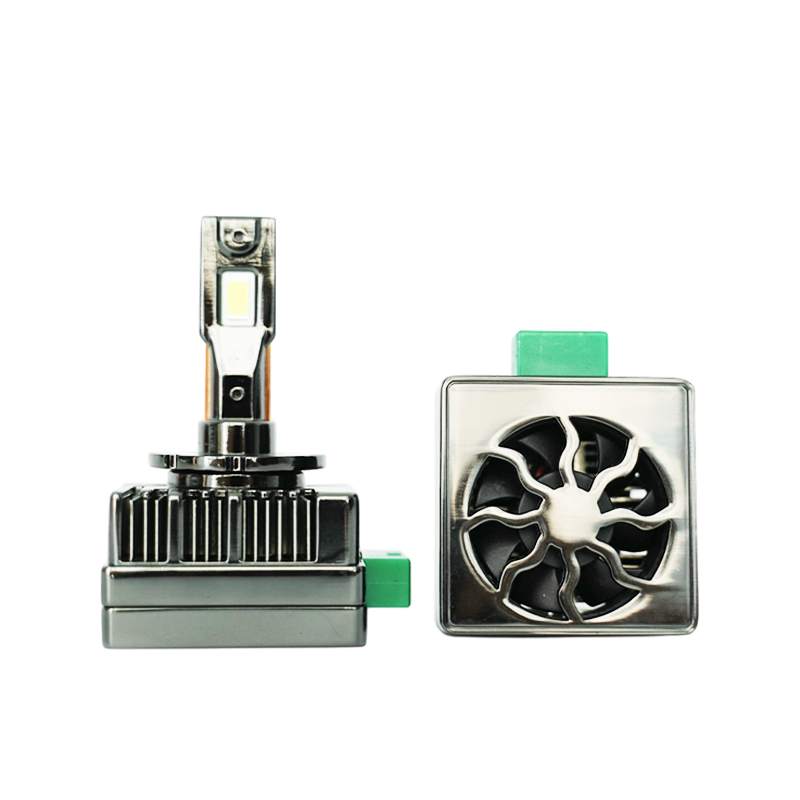
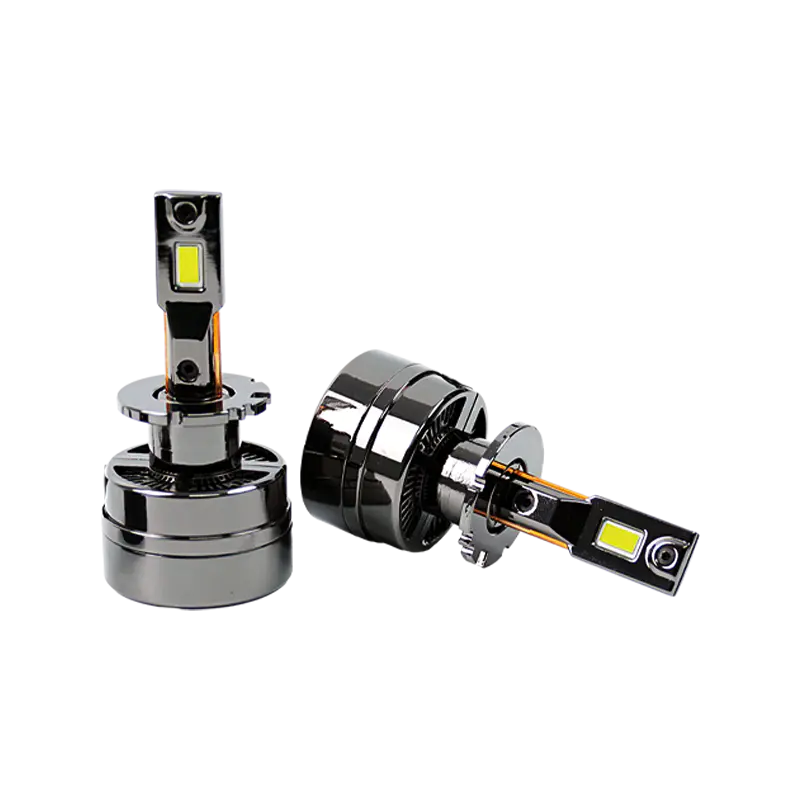
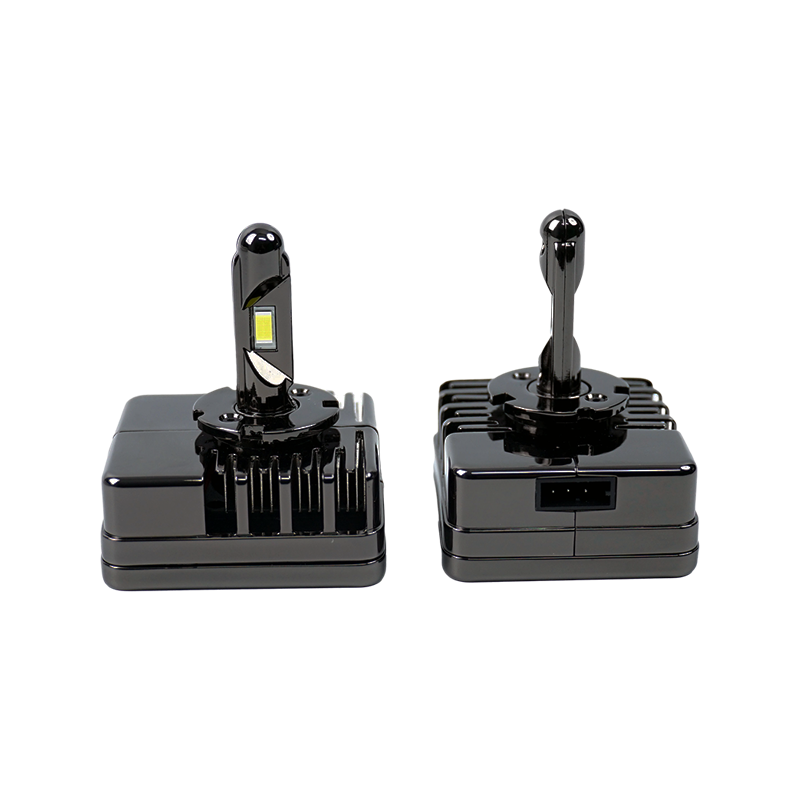
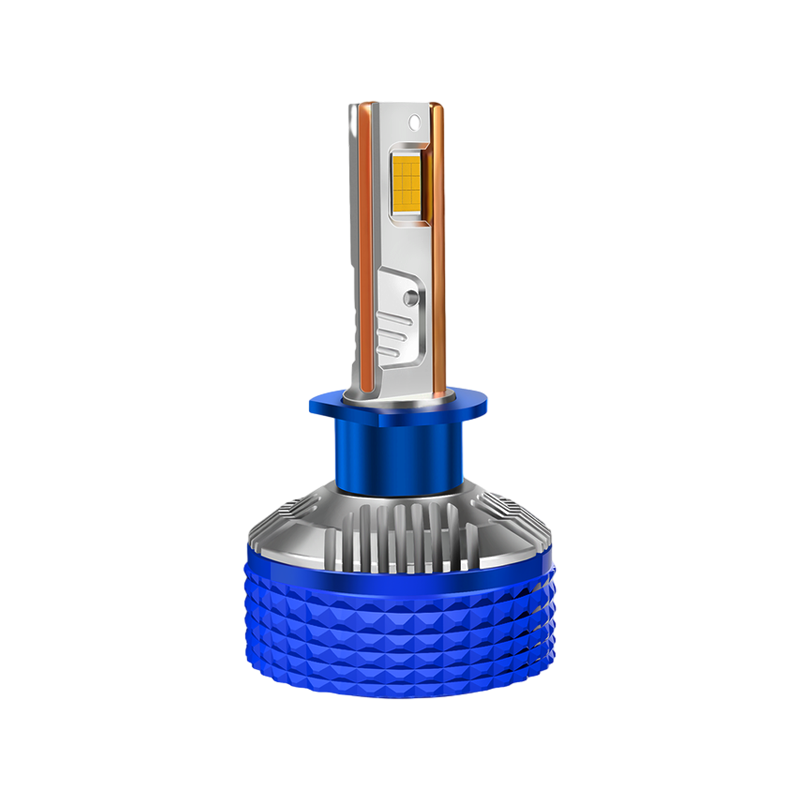
High-power Aluminum Profile LED Headlight Bulbs use integrated aluminium heat sinks or finned housings to manage the significantly higher wattage involved in forward lighting. Without proper thermal dissipation, even high-quality LED chips in headlights will suffer from lumen loss, color shift, and early failure — the same failure modes seen in poorly installed LED strips.
This parallel illustrates a universal truth in LED engineering: aluminium and LED technology are inseparable when performance and longevity matter.
How to Choose the Right Aluminium Profile
Selecting the correct profile depends on several practical factors:
- Strip Width Compatibility: Most standard LED strips are 8mm, 10mm, or 12mm wide. Verify the internal channel width before purchasing a profile.
- Installation Environment: Wet or outdoor areas require sealed profiles with IP65 or higher ratings. Dry indoor areas can use open or lightly covered profiles.
- Light Output Requirements: High-density or high-wattage strips (e.g., COB strips at 10W/m or more) need heavier aluminium profiles with greater thermal mass.
- Visibility: If the profile itself will be visible (e.g., in furniture or architectural applications), choose anodized or powder-coated options in black, silver, or white.
- Diffuser Type: Match the diffuser to your visual intent — frosted for hidden/indirect lighting, clear for direct task lighting.
FAQ
Q1: Can I use LED strips without an aluminium profile?
Yes, but it's not recommended for permanent installations. Without a profile, heat builds up quickly, reducing LED lifespan and causing brightness or color inconsistencies over time.
Q2: Does the aluminium profile affect brightness?
The profile itself doesn't reduce brightness, but a frosted diffuser cover can reduce visible lumens by roughly 10–20%. This is offset by the more even and aesthetically pleasing light distribution.
Q3: Are aluminium profiles suitable for outdoor use?
Yes, if you select sealed profiles with appropriate IP ratings (IP65 or IP67). The aluminium is naturally corrosion-resistant, especially when anodized.
Q4: What thickness of aluminium profile is needed for high-power LED strips?
For strips above 10W/m, use profiles with at least 2mm wall thickness and wider base flanges to increase the heat-dissipating surface area.
Q5: How do I cut aluminium profiles to length?
Use a fine-tooth metal saw or a miter saw with a non-ferrous metal blade. Always deburr cut edges before inserting the LED strip to avoid damaging the PCB or wiring.
Q6: Is there a difference between anodized and powder-coated aluminium profiles?
Anodized profiles are more durable and have slightly better thermal conductivity. Powder-coated profiles offer more color options but add a thin insulating layer that can marginally reduce heat transfer.