

 English
 Español
 عربى
عربى русский
A quality LED headlight bulb delivers high luminous output (typically 6,000–10,000 lumens per pair), precise beam pattern alignment, stable thermal management, and reliable compatibility with your vehicle's electrical system. These four pillars determine whether a bulb truly improves night-driving safety or simply looks bright on paper.
Luminous Output and Color Temperature
Raw brightness is the most visible indicator of bulb quality, but raw lumens alone don't tell the full story. What matters is usable light on the road—how much illumination reaches the surface in front of you rather than scattering into oncoming traffic.
- Lumens per bulb: Quality single bulbs typically output 3,000–5,000 lumens. Figures above 6,000 per bulb often indicate inflated marketing numbers rather than real-world performance.
- Color temperature (Kelvin): The 5,500 K–6,500 K range produces a crisp white light that maximizes road contrast without creating uncomfortable glare. Bulbs at 8,000 K+ shift toward blue and can actually reduce effective visibility.
- Color Rendering Index (CRI): A CRI above 70 ensures road markings, signs, and obstacles appear in accurate, distinguishable colors.
In real-world testing, a well-designed 4,500-lumen LED bulb at 6,000 K consistently outperforms a cheaper 8,000-lumen unit with poor beam control because more light is directed where drivers actually need it.
Beam Pattern Precision
Beam pattern is arguably the most critical and most overlooked quality factor. A poorly aimed beam blinds oncoming drivers and leaves dangerous dark zones on the road ahead—even if the bulb itself is extremely bright.
What a Proper Beam Pattern Requires
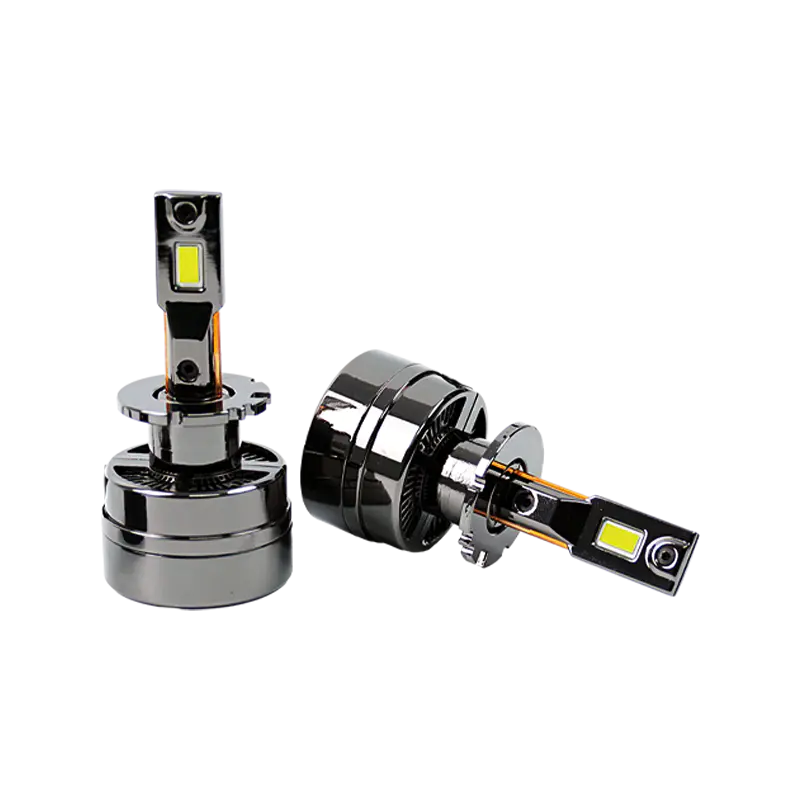
- LED chip positioning: The light-emitting chips must be placed at the exact same focal point as the original halogen filament—typically within ±0.5 mm tolerance. Even small deviations scatter light unpredictably.
- Cut-off line sharpness: In low-beam applications, a clear horizontal cut-off line prevents glare for oncoming traffic while maximizing road illumination below the line.
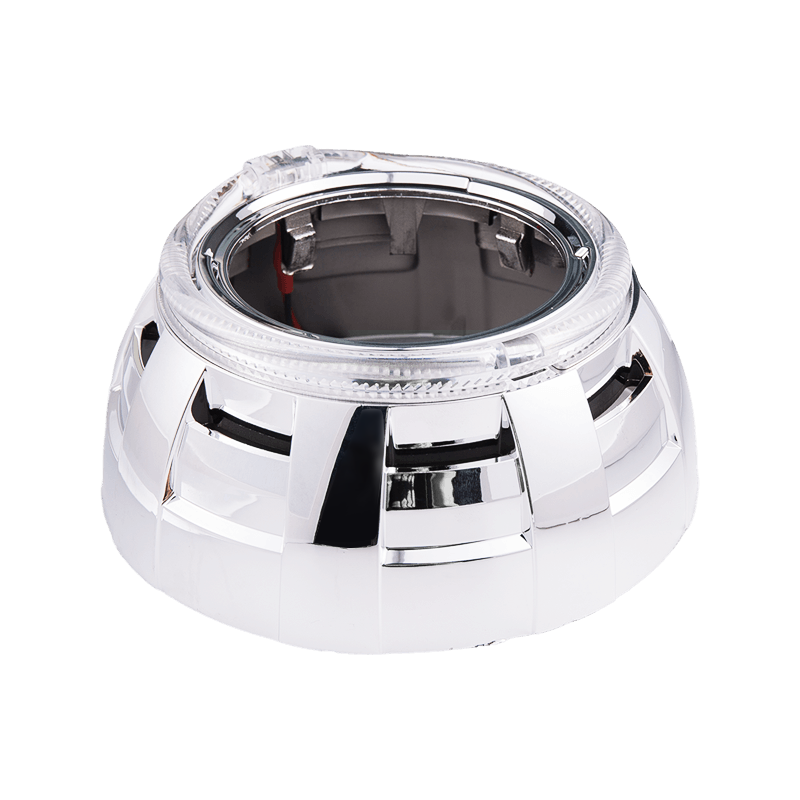
- Projector vs. reflector compatibility: Quality bulbs are tested and rated for specific housing types. A bulb optimized for projector housings may scatter light if used in a reflector housing.
A practical test: after installation, shine the headlights against a wall at 25 feet and verify the low-beam cut-off line is level and sharp, with no significant upward light spill.
Thermal Management and Heat Dissipation
LED chips generate heat at their base (junction), and without effective dissipation, internal temperatures rise rapidly—degrading both brightness and lifespan. Thermal management is the primary differentiator between a bulb rated for 30,000 hours and one that fails within 6 months.
Key Thermal Design Elements
| Cooling Method | Typical Lifespan | Best For |
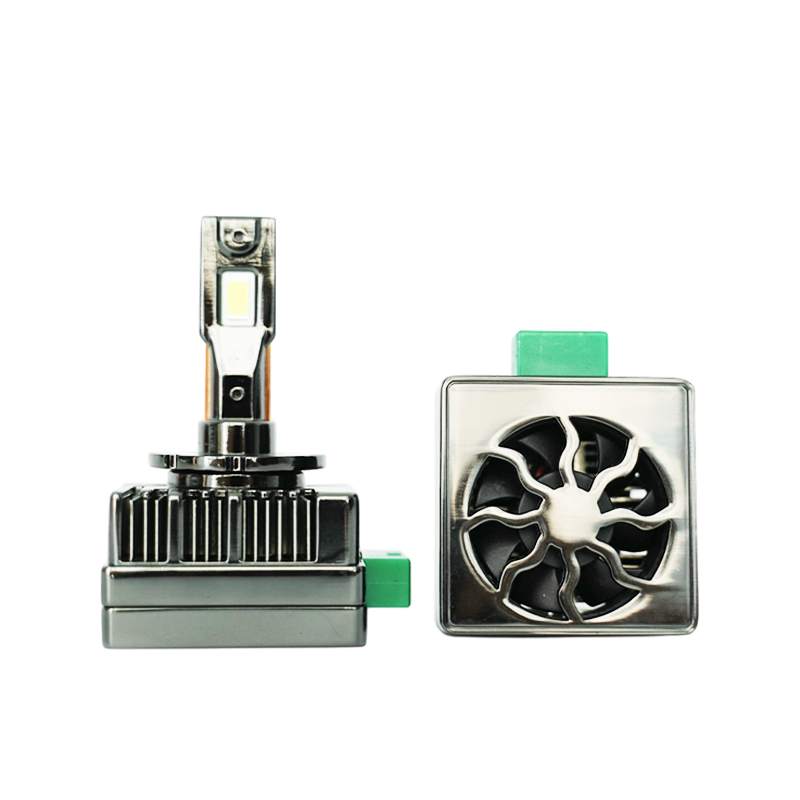
| Built-in fan | 20,000–30,000 hrs | High-power applications |
| Passive aluminum heatsink | 30,000–50,000 hrs | Sealed or tight housings |
| Copper heat pipe + fins | 35,000–50,000 hrs | Extreme-climate environments |
| No dedicated cooling | < 5,000 hrs | Not recommended |
Junction temperature should stay below 150°C during sustained operation. Bulbs with quality thermal design maintain stable lumen output throughout a 4-hour continuous-use test, while low-quality alternatives may dim by 20–30% within the first hour.
Driver Chip Quality and Electrical Stability
The LED driver circuit regulates voltage and current delivered to the chips. A quality driver is the difference between a bulb that works flawlessly and one that causes dashboard warning lights, flickering, or radio interference.
- Constant current output: The driver must maintain stable current even as battery voltage fluctuates between 11V and 14.8V during normal vehicle operation.
- EMI suppression: Quality drivers include electromagnetic interference shielding to prevent AM/FM radio static and interference with vehicle sensors.
- CAN bus compatibility: Modern vehicles with CANBUS systems require bulbs with resistors or smart decoders to prevent "bulb out" warning messages.
- Surge protection: Industrial-grade drivers handle voltage spikes up to 16V without failure—important for vehicles with older electrical systems.
LED Chip Technology and Brand Tier
The LED chip itself sets the ceiling for efficiency, brightness, and longevity. Chip quality is typically categorized into three tiers:
- Tier 1 – Premium chips: Produce 150–200 lumens per watt with a lifespan rating exceeding 50,000 hours. Used in professional-grade automotive and industrial lighting.
- Tier 2 – Mid-grade chips: Output 100–140 lumens per watt; lifespan of 30,000–40,000 hours. Represent the best balance of cost and performance for most drivers.
- Tier 3 – Budget chips: Often 60–90 lumens per watt; lifespan under 15,000 hours. Performance degrades significantly after the first 1,000 hours of use.
Look for bulbs that disclose chip specifications openly. Vague descriptions like "high-power chip" without measurable data are a red flag for tier-3 components.
IP Rating and Weather Resistance
Headlight bulbs operate in harsh environments—rain, dust, humidity, and temperature extremes. IP67 or IP68 waterproof ratings are the minimum standard for reliable long-term use in outdoor driving conditions.
- IP65: Protected against water jets; suitable for most climates.
- IP67: Submersion-proof up to 1 meter for 30 minutes; recommended for all-weather driving.
- IP68: Continuous submersion protection; ideal for off-road or heavy rain environments.
Dust ingress protection (the first digit in the IP code) should be rated 6, meaning full dust-tight sealing. Unsealed bulbs accumulate moisture and particulate matter inside the housing, leading to lens fogging and corrosion over time.
Size Compatibility and Plug-and-Play Fitment
Even a technically superior bulb is useless if it doesn't fit or requires extensive modification. Quality LED bulbs are engineered for true plug-and-play installation without cutting wires or adapters.
Fitment Factors to Verify
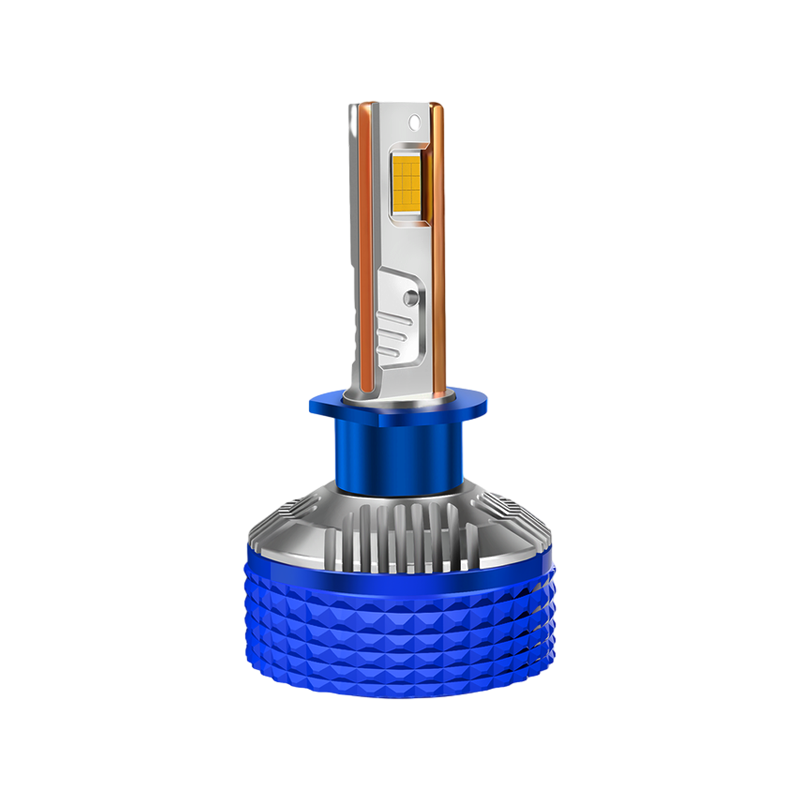
- Base type: Common sizes include H1, H4, H7, H11, 9005 (HB3), 9006 (HB4). Verify exact fitment using your vehicle's owner manual or a compatibility database.
- Overall length: Bulbs longer than the OEM unit may not clear dust covers or housing walls. A body length within 5 mm of the original is ideal.
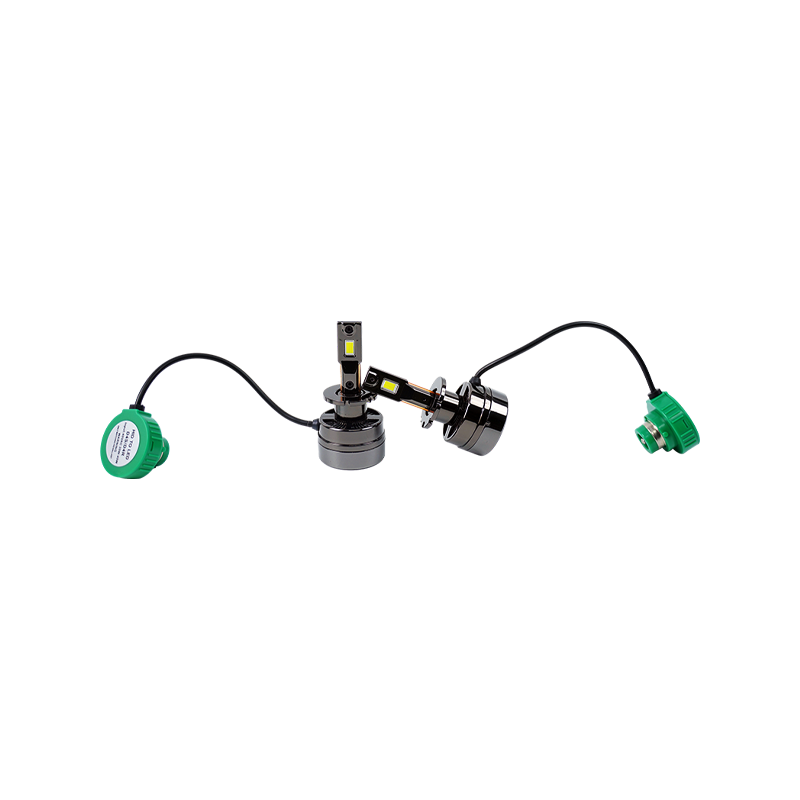
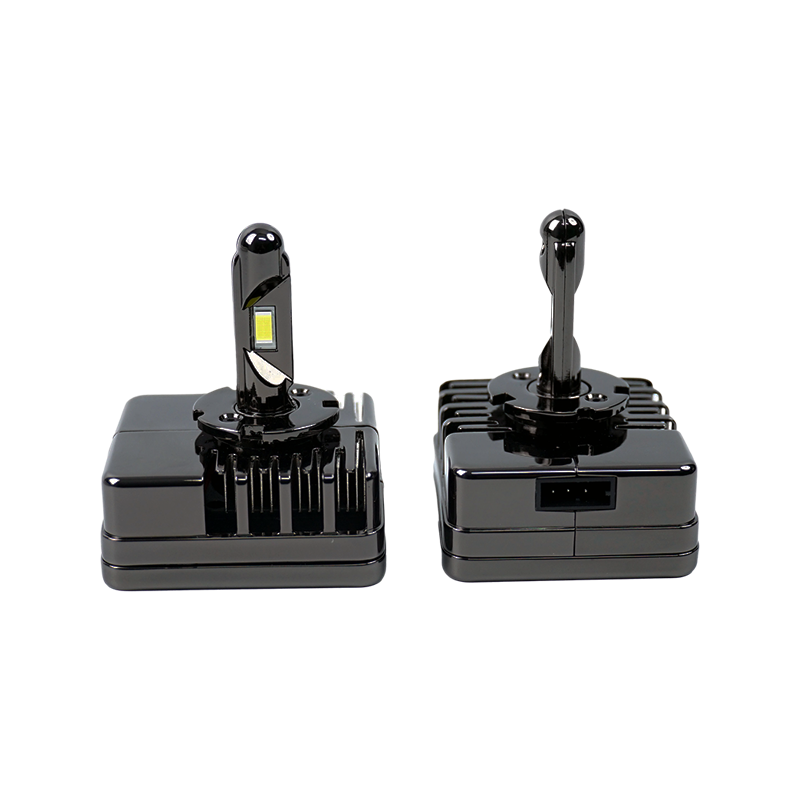
- Driver placement: External drivers (located outside the housing) offer better thermal separation but require routing cables through the dust cover, which may require a grommet or seal.
Certifications and Compliance Standards
Third-party certifications provide objective verification that a bulb meets defined safety and performance benchmarks—not just manufacturer claims.
| Certification | Region | What It Verifies |
| ECE R112 / R10 | Europe | Beam pattern, EMC, voltage stability |
| SAE J1383 | North America | Photometric performance, durability |
| CE Marking | EU | Electrical safety, EMI compliance |
| RoHS | Global | Restriction of hazardous materials |
Bulbs carrying ECE certification in particular have passed independent photometric testing—meaning the beam pattern and brightness figures are independently verified, not self-reported.
Frequently Asked Questions
Q1: How many lumens should a quality LED headlight bulb produce?
A quality bulb typically produces 3,000–5,000 lumens per bulb (6,000–10,000 per pair). Claims significantly above this range usually reflect test-bench conditions rather than real-world output.
Q2: What color temperature is best for night driving visibility?
5,500 K to 6,500 K offers the best combination of brightness and contrast. Bulbs above 8,000 K appear bluer and can reduce effective road visibility despite looking impressive.
Q3: Will an LED headlight bulb cause a dashboard warning light?
It depends on your vehicle. Cars with CANBUS systems may trigger a "bulb out" warning. Choose bulbs that specify CANBUS compatibility or include a built-in decoder/resistor to prevent this.
Q4: How long do quality LED headlight bulbs last?
Quality bulbs with proper thermal management are rated for 30,000–50,000 hours. Under typical driving use (1–2 hours daily), this translates to 15–25 years of service life.
Q5: Can I use an LED bulb in any headlight housing?
Not always. LED bulbs perform differently in projector and reflector housings. Always verify the bulb is rated for your specific housing type to ensure a proper beam pattern and avoid blinding other drivers.
Q6: Is IP67 waterproofing sufficient for a headlight bulb?
Yes, IP67 is sufficient for the vast majority of driving conditions, including heavy rain. IP68 offers additional protection for off-road or flood-prone driving scenarios.
Q7: Do LED headlight bulbs require professional installation?
Most quality LED bulbs are designed for straightforward DIY installation in 15–30 minutes using the original wiring harness. Vehicles with tight engine bays or sealed housings may require more effort.