

 English
 Español
 عربى
عربى русский
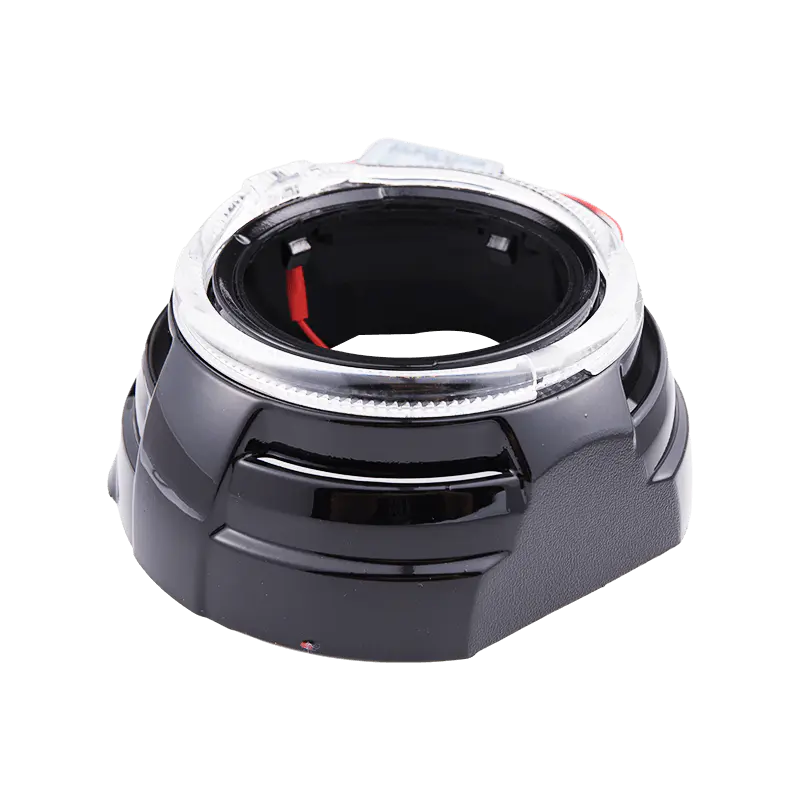
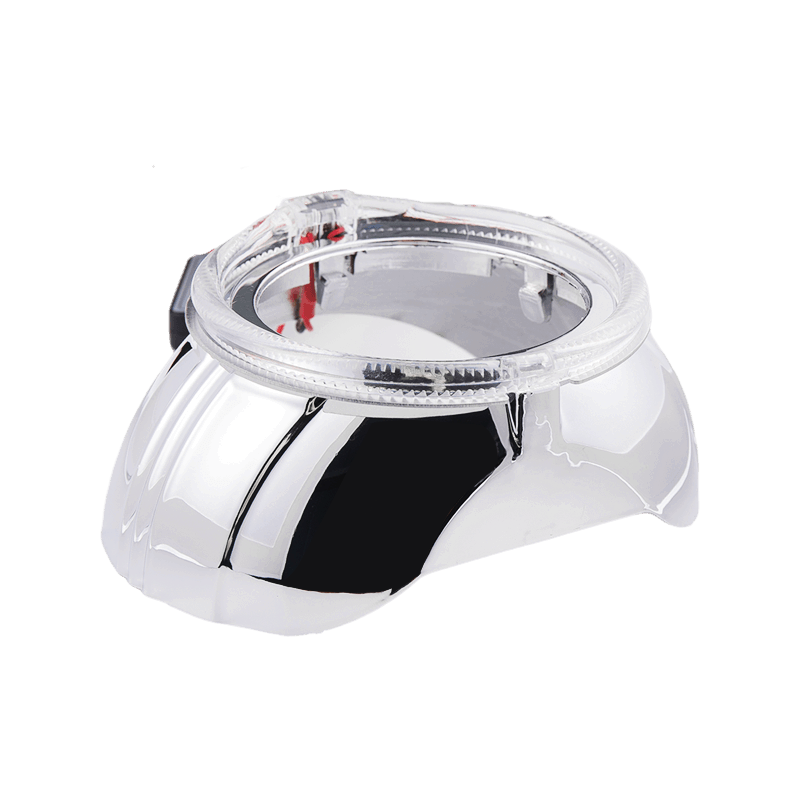
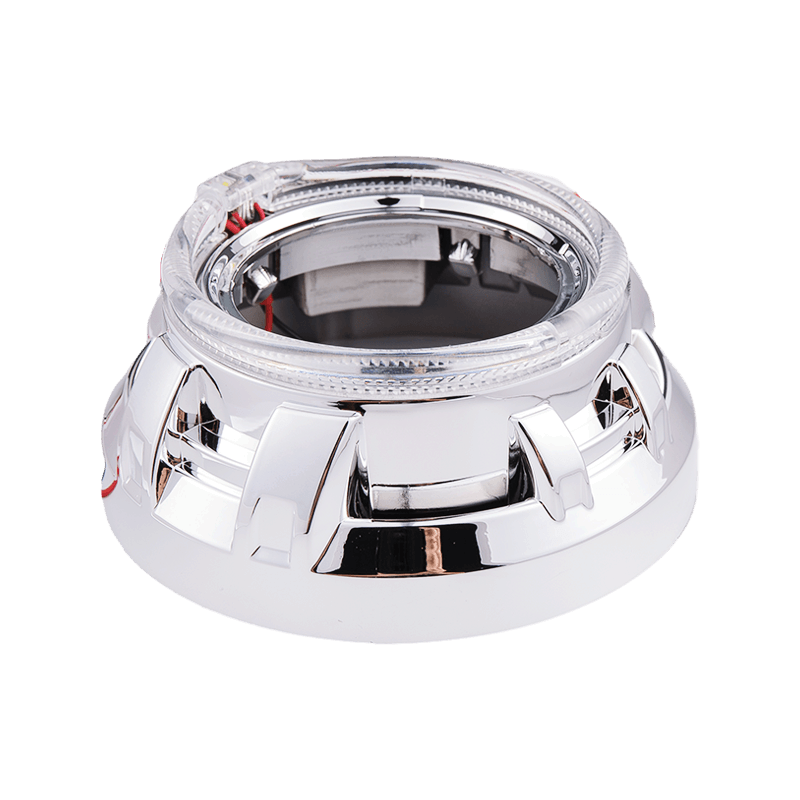
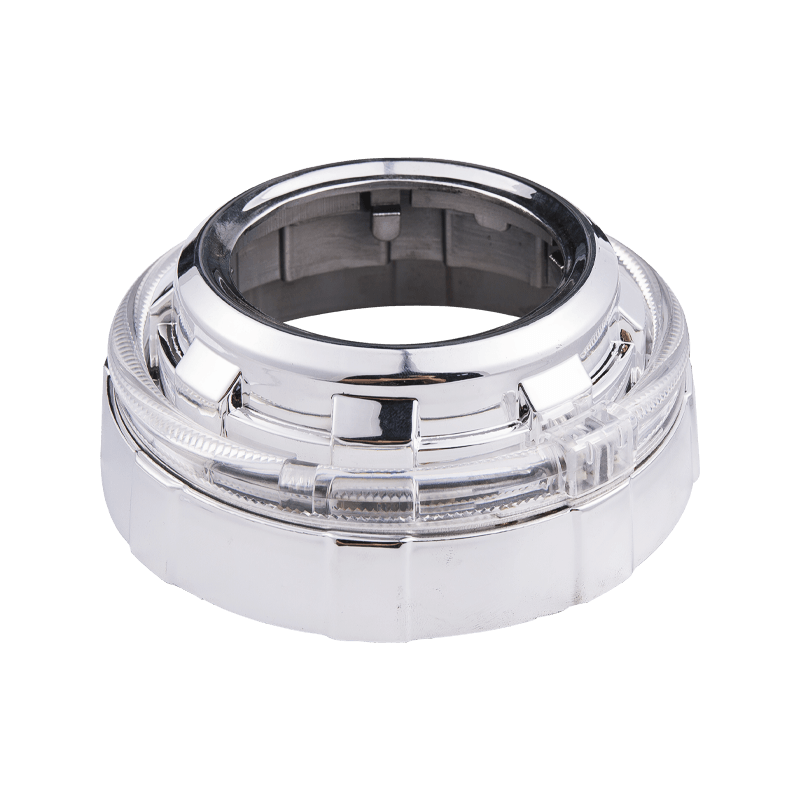
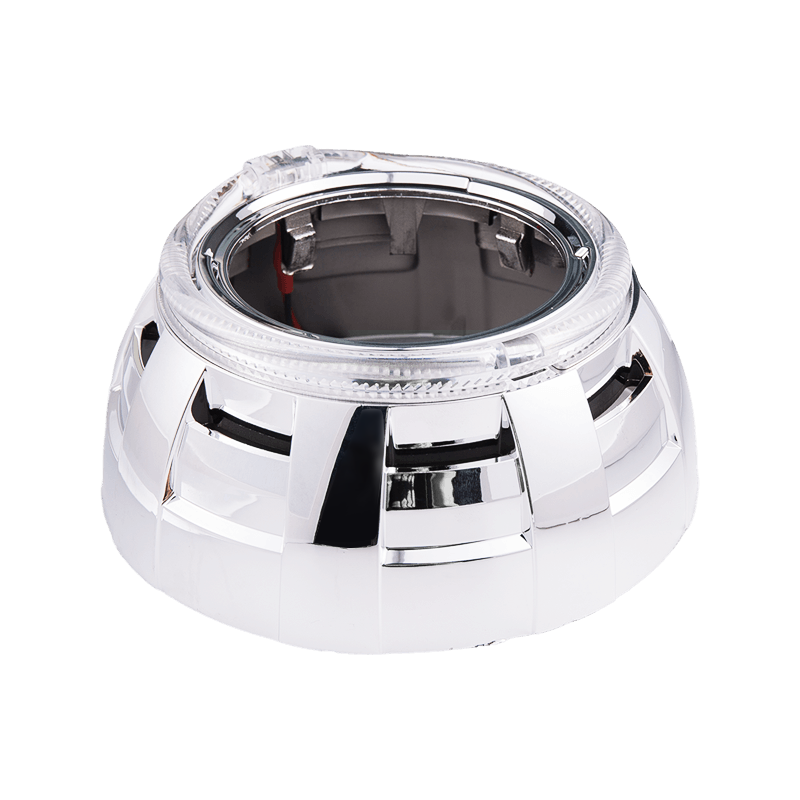
The Waterproof IP68 LED Double Light Cup Bifocal Lens has become an essential component in modern lighting solutions, particularly in applications requiring both high durability and precision light control. Its design integrates waterproof capabilities with advanced optical performance, making it suitable for a wide range of environments, from industrial facilities to outdoor installations. A critical aspect that directly affects the performance of these lenses is their shape. The geometry of a Waterproof IP68 LED Double Light Cup Bifocal Lens plays a decisive role in light distribution, efficiency, and overall visual quality.
Importance of Lens Shape in Waterproof IP68 LED Double Light Cup Bifocal Lens
The shape of a Waterproof IP68 LED Double Light Cup Bifocal Lens is not merely an aesthetic consideration; it significantly influences light performance. The bifocal lens design allows the lens to manipulate light from a single LED or LED cluster into two distinct focal regions, enhancing both uniformity and intensity of illumination. The lens shape affects parameters such as beam angle, optical efficiency, glare reduction, and the ability to focus light onto a target area.
Manufacturers of Waterproof IP68 LED Double Light Cup Bifocal Lens typically design these lenses to meet the needs of various lighting applications, including street lighting, architectural illumination, automotive headlamps, and industrial workspace lighting.
Overview of Common Shapes
There are several standard shapes for Waterproof IP68 LED Double Light Cup Bifocal Lens, each offering unique advantages. The most common shapes include circular, elliptical, square, and rectangular profiles. Each shape is designed to accommodate specific installation requirements and desired light distribution patterns.
Circular Lens
Circular lenses are among the most widely used forms of Waterproof IP68 LED Double Light Cup Bifocal Lens. Their symmetrical design allows for uniform radial light distribution, making them ideal for applications where a consistent beam is required in all directions. Circular lenses are frequently used in street lighting, outdoor decorative lighting, and certain indoor lighting fixtures.
Advantages of circular lenses include:
- Ease of alignment during installation
- Efficient light focusing with minimal distortion
- Compatibility with standard round LED arrays
Table 1: Circular Lens Characteristics
| Characteristic | Description |
|---|---|
| Beam Uniformity | High radial uniformity across the illuminated area |
| Installation Compatibility | Fits standard circular LED modules and fixtures |
| Common Applications | Streetlights, outdoor signage, indoor round fixtures |
| Optical Performance | Efficient in directing light with minimal scattering |
Elliptical Lens
Elliptical lenses are designed to provide an elongated beam profile, which is particularly useful in applications requiring asymmetric light distribution. This shape enables targeted illumination along a corridor, roadway, or other elongated surfaces, enhancing coverage without unnecessary spill light.
Advantages of elliptical lenses include:
- Controlled horizontal and vertical beam shaping
- Reduction of light wastage in areas where precise coverage is critical
- Compatibility with linear or modular LED arrays
Table 2: Elliptical Lens Characteristics
| Characteristic | Description |
|---|---|
| Beam Uniformity | Focused along the major axis, reducing spill light |
| Installation Compatibility | Fits elongated or modular LED setups |
| Common Applications | Roadway lighting, corridor illumination, industrial zones |
| Optical Performance | Enhances focused illumination while minimizing glare |
Square Lens
Square lenses offer a compact footprint suitable for grid-based LED panels or arrayed configurations. The square shape allows for uniform tiling, which is beneficial in large-area lighting applications such as indoor commercial spaces or architectural façades.
Advantages of square lenses include:
- Efficient array alignment without gaps
- Uniform light blending across tiled panels
- Support for dense LED arrays in compact fixtures
Rectangular Lens
Rectangular lenses are commonly used in situations that require elongated or directional light projection. These lenses provide a rectangular beam spread that can be oriented to cover wide surfaces or specific zones efficiently. Rectangular lenses are often applied in wall washers, accent lighting, and industrial high bay fixtures.
Advantages of rectangular lenses include:
- Extended coverage in one axis
- Efficient for directional illumination
- Compatibility with linear LED configurations
Design Considerations for Different Shapes
Selecting the appropriate shape of Waterproof IP68 LED Double Light Cup Bifocal Lens requires careful evaluation of several factors:
-
Beam Angle and Light Distribution: Circular lenses are best for omnidirectional applications, while elliptical and rectangular lenses suit directional or elongated illumination. Square lenses are optimized for grid arrays where uniform blending is desired.
-
Installation Environment: Outdoor environments may benefit from circular or elliptical lenses due to their even distribution and reduced glare. Indoor installations with multiple LED modules may prefer square or rectangular shapes for seamless tiling.
-
Optical Efficiency: The shape directly impacts how light interacts with the bifocal surface of the lens. Proper alignment ensures minimal optical losses and reduces energy wastage.
-
Customization Potential: Many manufacturers offer bespoke shapes to meet specific project requirements. Custom lens shapes can optimize light distribution for unique architectural or industrial environments.
Material and Manufacturing Implications
The Waterproof IP68 LED Double Light Cup Bifocal Lens is typically made from high-quality optical plastics such as PMMA or PC. These materials provide excellent clarity and durability, essential for maintaining consistent light output over the product’s lifecycle. Lens shape affects the molding process and may influence production cost, optical quality, and mechanical robustness.
Key manufacturing considerations include:
- Mold complexity increases with non-standard shapes
- Optical precision is critical to maintain bifocal functionality
- Material selection impacts thermal stability and UV resistance
Applications and Industry Relevance
The choice of lens shape influences not only optical performance but also practical application in industry-specific contexts. Common uses include:
- Street and roadway lighting: Elliptical or rectangular lenses are preferred to cover elongated areas efficiently.
- Indoor commercial lighting: Square lenses facilitate array tiling for uniform illumination.
- Industrial high bay lighting: Circular and elliptical lenses ensure even coverage in expansive warehouse spaces.
- Architectural and decorative lighting: Custom shapes allow for aesthetic flexibility while maintaining functional performance.
The Waterproof IP68 LED Double Light Cup Bifocal Lens must meet durability requirements, particularly in outdoor and industrial environments. Its IP68 waterproof rating guarantees reliable operation under rain, dust, and other harsh conditions.
Comparative Summary of Common Shapes
| Shape | Key Feature | Optimal Application | Optical Advantage |
|---|---|---|---|
| Circular | Radial uniform light | Street lighting, outdoor fixtures | Minimal distortion, uniform beam |
| Elliptical | Asymmetric, elongated beam | Roadways, corridors | Targeted illumination, reduced spill |
| Square | Compact, tileable footprint | Indoor panels, commercial areas | Seamless array alignment |
| Rectangular | Directional, elongated spread | Wall washers, high bay lighting | Extended coverage, precise control |
Procurement Considerations
Buyers evaluating Waterproof IP68 LED Double Light Cup Bifocal Lens should consider shape alongside other criteria such as material quality, optical efficiency, beam control, and environmental resilience. Selecting the correct lens shape ensures optimal light distribution, enhances energy efficiency, and reduces maintenance requirements.
Key procurement tips include:
- Matching lens shape to fixture type and installation environment
- Ensuring IP68 rating compliance for exposure to water and dust
- Assessing bifocal performance for the intended beam pattern
- Verifying manufacturer capability for custom shapes if required
Conclusion
The shape of a Waterproof IP68 LED Double Light Cup Bifocal Lens is a critical determinant of its optical and practical performance. Circular, elliptical, square, and rectangular lenses each serve specific illumination purposes and installation contexts. Understanding the advantages and limitations of each shape enables buyers, designers, and engineers to select the most appropriate lens for their applications. By considering both optical performance and environmental suitability, the Waterproof IP68 LED Double Light Cup Bifocal Lens can deliver reliable, high-quality illumination in diverse settings.
FAQ
Q1: Why is lens shape important for a Waterproof IP68 LED Double Light Cup Bifocal Lens?
A1: Lens shape affects light distribution, beam angle, and optical efficiency. Selecting the right shape ensures uniform illumination and minimizes light loss.
Q2: Can Waterproof IP68 LED Double Light Cup Bifocal Lens be customized in shape?
A2: Yes, manufacturers can produce bespoke lens shapes to optimize illumination for specific project requirements.
Q3: Which lens shape is best for indoor array lighting?
A3: Square lenses are preferred for indoor array lighting because they allow seamless tiling and uniform light blending.
Q4: Are elliptical lenses suitable for street lighting?
A4: Yes, elliptical lenses provide asymmetric beams, making them ideal for roadway and corridor illumination.
Q5: How does IP68 rating affect lens selection?
A5: The IP68 rating ensures the lens is protected against dust and prolonged water immersion, which is critical for outdoor and industrial environments.
References
- Smith, J. (2022). LED Lens Design and Optical Performance. Lighting Engineering Journal, 18(4), 45-59.
- Brown, L. (2021). Advances in Bifocal LED Lens Technology. Journal of Modern Lighting, 12(3), 78-92.
- Williams, R. (2020). Practical Guide to LED Lens Shapes and Applications. International Lighting Review, 9(2), 33-50.